Skip to content

A personal journal

Le Hong Ngoc

Tradition meets innovation

China: Where Ancient Traditions Meet Modern Innovation

My Turing Scheme Experience at Guangzhou College of Commerce

“I came to China expecting to learn about business. I left with a much deeper understanding of how a country can preserve thousands of years of tradition while leading the world in technological innovation.”

By Le Hong Ngoc • MSc International Management, Bournemouth University

Guangzhou, China • 21 June–6 July 2026

About Me

My name is Le Hong Ngoc, and I am currently studying MSc International Management at Bournemouth University in the United Kingdom.

One of the reasons I chose Bournemouth University was its emphasis on global learning and international opportunities. I have always believed that studying business should go beyond textbooks. Understanding how different countries innovate, communicate and develop their economies is just as important as classroom learning.

When I learned about the Turing Scheme and the opportunity to join a two-week study programme at Guangzhou College of Commerce (GCC) in China, I knew it was an experience I could not miss. My goal was not only to learn about Chinese business and technology but also to experience another culture, meet people from different backgrounds and challenge myself outside my comfort zone.

The Turing Scheme funding played an important role in making this mobility possible. It reduced the financial pressure of travelling abroad and allowed me to focus on learning and making the most of every opportunity.

Preparing for China

Preparing for the programme involved much more than packing a suitcase.

I had to apply for a Chinese visa, organise travel insurance, prepare mobile payment apps such as Alipay and WeChat Pay, arrange an eSIM for internet access, and familiarise myself with local customs before departure.

Although these preparations required time and organisation, Bournemouth University provided clear guidance throughout the process, making everything much more manageable. Looking back, these preparations became my first lesson in adapting to a different environment.

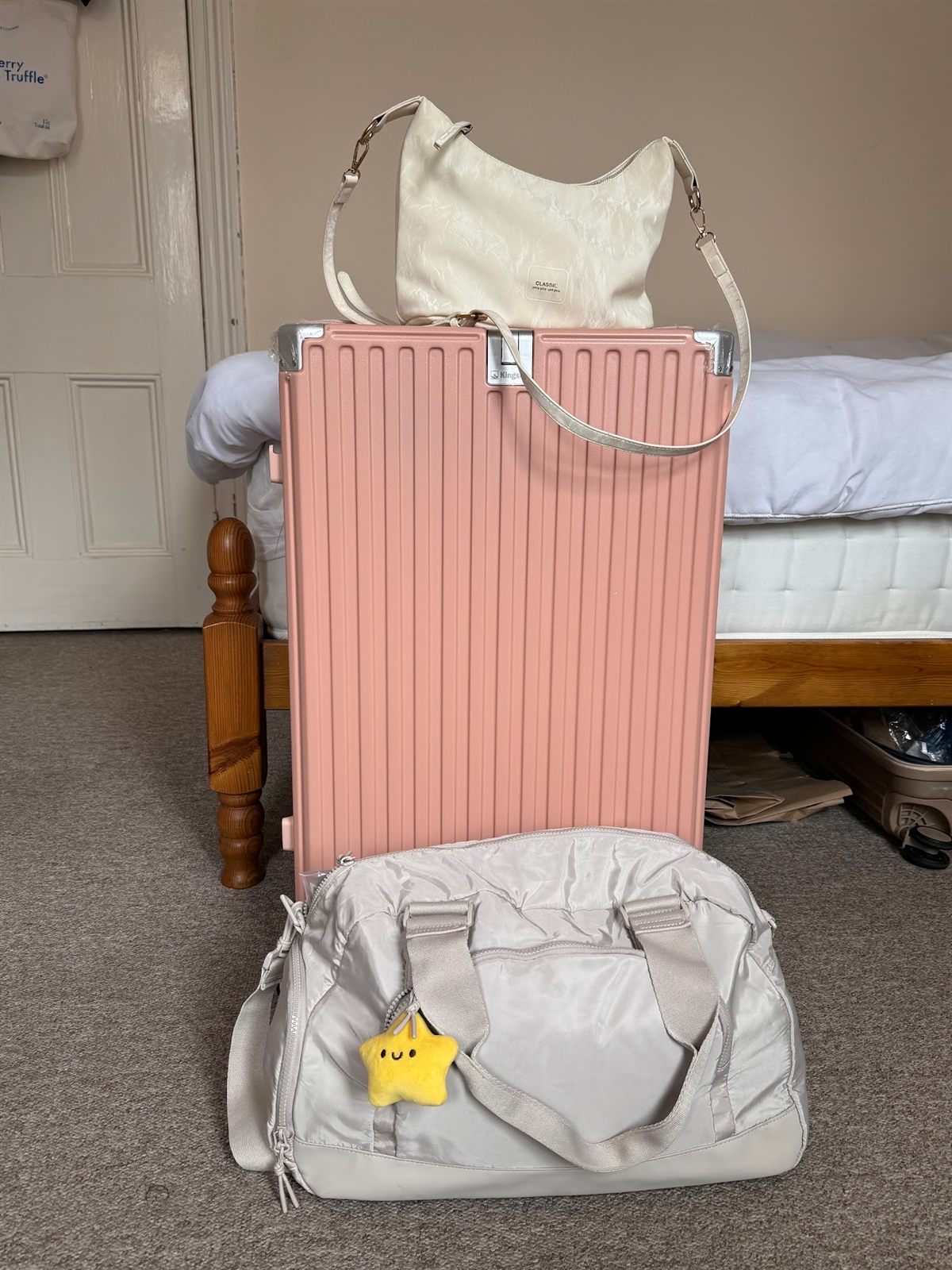
Packed and ready for two weeks in Guangzhou.

My First Impression of China

Landing in Guangzhou was exciting.

As soon as I arrived, I noticed how modern and efficient the city felt. Public transport was convenient, digital payments were everywhere, and technology seemed to be integrated into everyday life.

At the same time, traditional Chinese culture was present everywhere.

Ancient temples stood beside modern skyscrapers. Historic architecture coexisted with intelligent transport systems. Traditional tea culture could be found only minutes away from some of China's leading technology companies.

This contrast became the central theme of my entire experience.

China was not choosing between tradition and innovation.

It was successfully embracing both.

Learning Beyond the Classroom

Our programme at Guangzhou College of Commerce combined academic learning, enterprise visits, technology workshops and cultural experiences.

Rather than simply attending lectures, we experienced how business, education and innovation connect in real life.

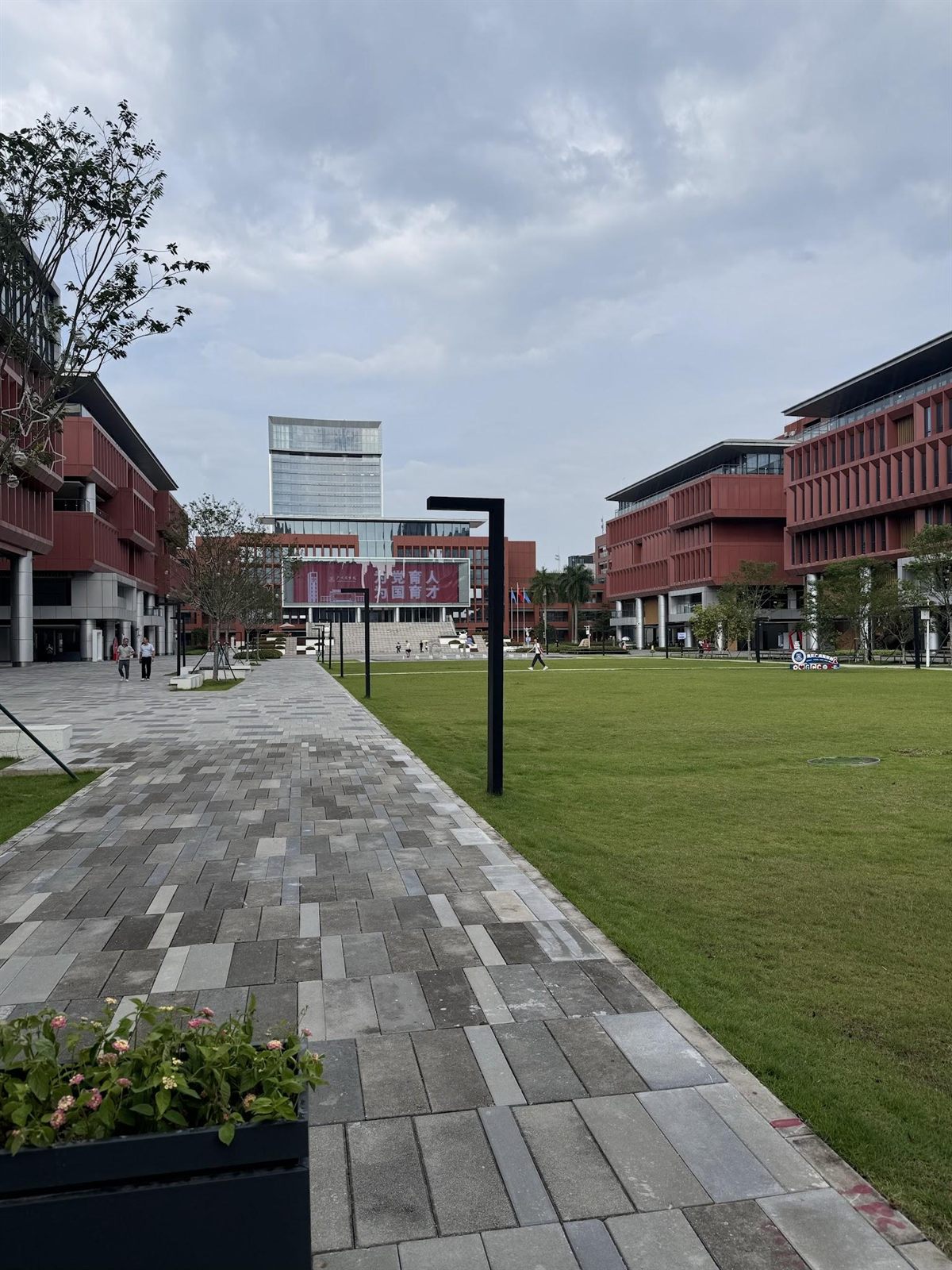
The campus of Guangzhou College of Commerce.

Business and Innovation

Throughout the programme, we explored subjects including: Modern Business Regulation, Cross-border E-commerce, AI-assisted Marketing, Brand Visual Design, Business Case Analysis and International Business Communication.

One of my favourite sessions involved developing marketing ideas using artificial intelligence tools. It showed how AI is becoming an important partner for businesses rather than replacing human creativity.

As a marketing enthusiast, this was particularly inspiring because it demonstrated how technology can support creative thinking while still requiring human insight and strategic decision-making.

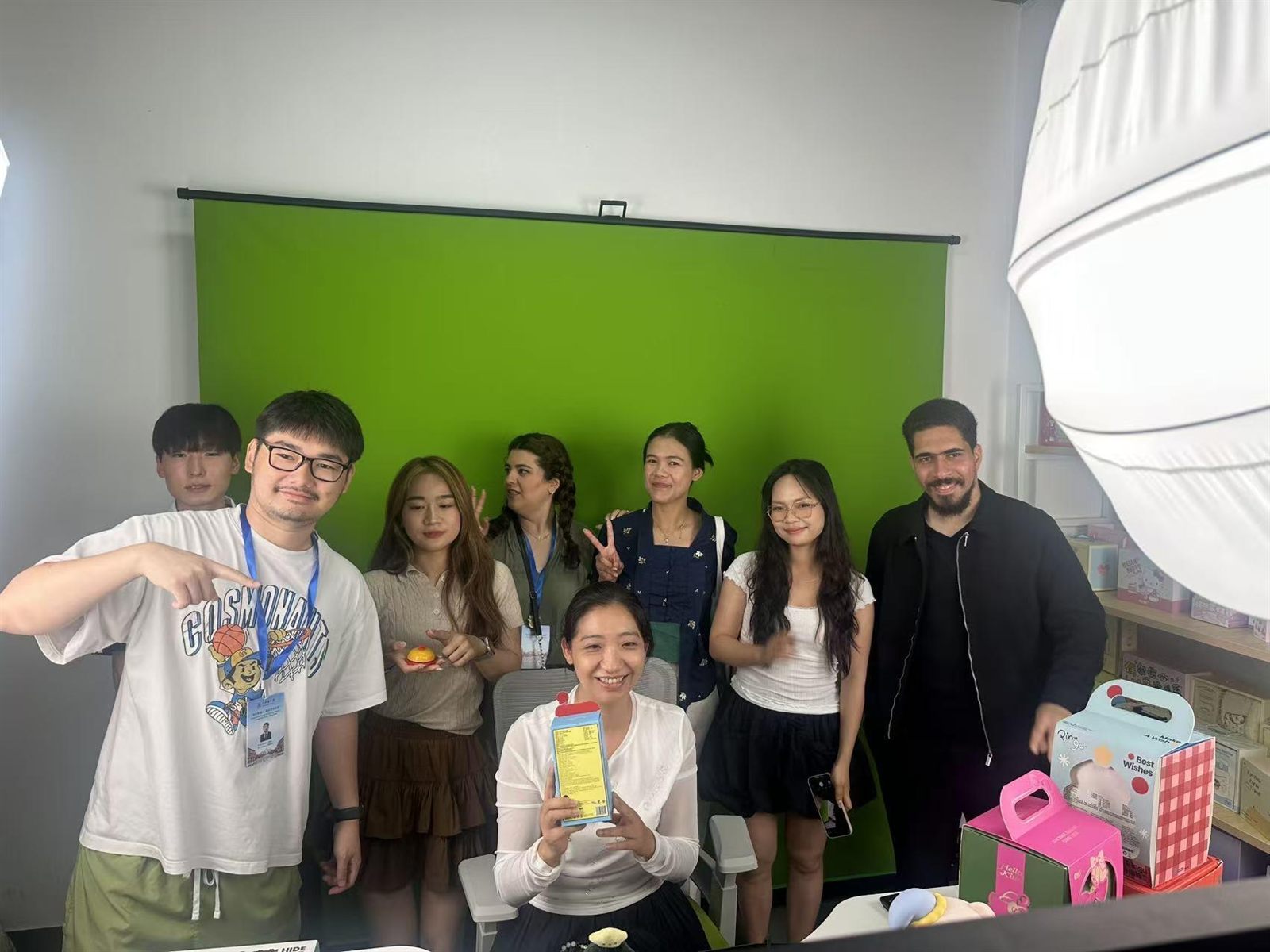
With classmates during one of our hands-on sessions.

Enterprise Visits

One of the highlights of the programme was visiting innovative Chinese companies and research institutions.

CVTE

Visiting CVTE allowed us to understand how one of China's leading technology companies develops intelligent display solutions and educational technologies used worldwide.

Rather than only hearing about innovation, we saw how research, collaboration and continuous improvement happen inside a global technology company.

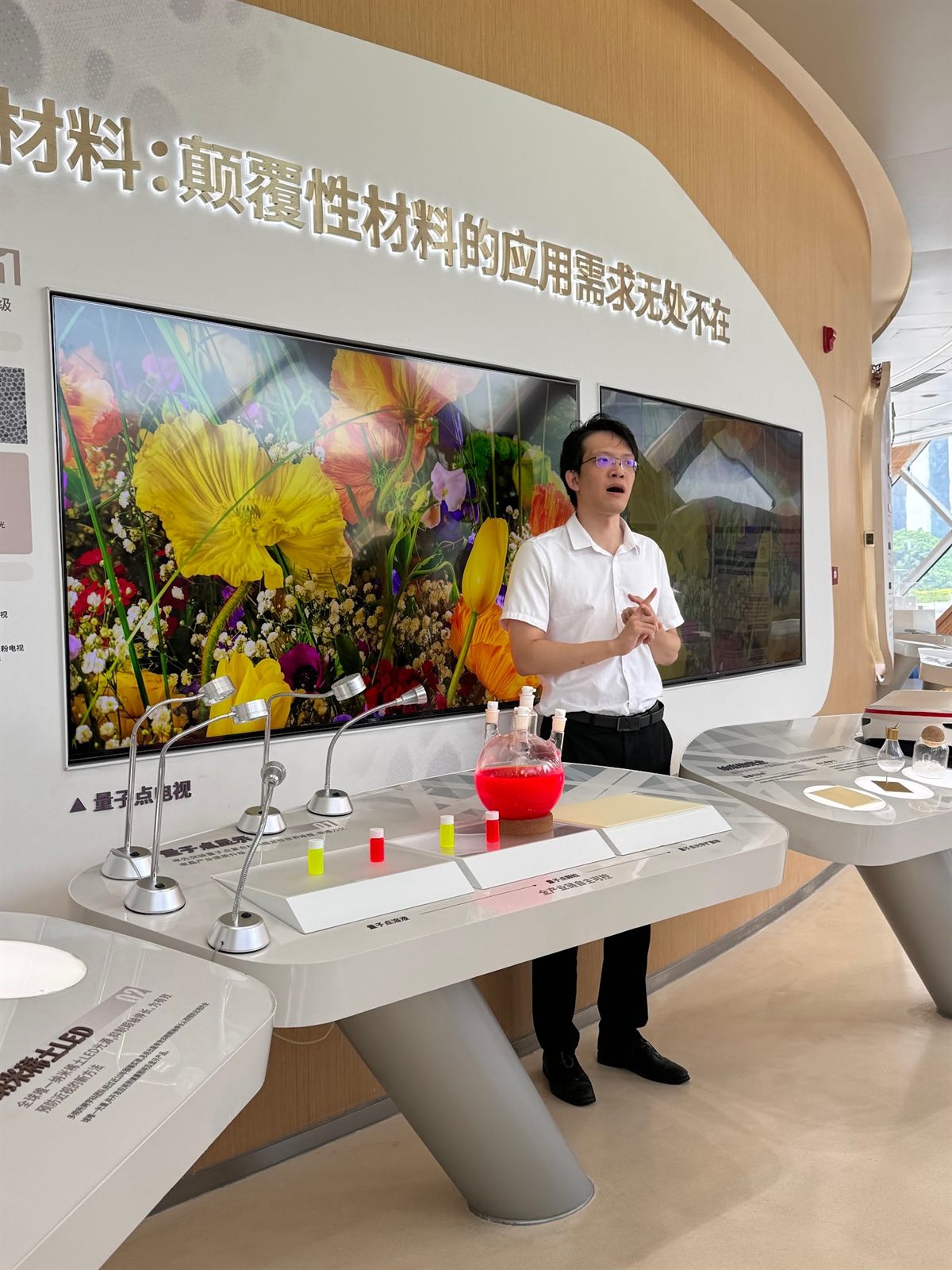
A presentation on new materials during our visit to CVTE.

International Nanotechnology Innovation Research Institute

Another memorable visit was the International Nanotechnology Innovation Research Institute, where we learned about cutting-edge scientific research and how nanotechnology is applied in healthcare, manufacturing and advanced materials.

It reminded me that innovation often begins with scientific research long before consumers ever see the final products.

Technology in Everyday Life

Throughout the programme we also explored topics including: Robotics programming, Artificial Intelligence, Cross-border live-streaming e-commerce, New Energy Vehicles and The Beidou Navigation System.

Before travelling to China, I had heard about these technologies.

During the programme, I experienced how deeply they have already become part of everyday life.

It was fascinating to see how quickly China has adopted digital innovation across transportation, retail, education and manufacturing.

Discovering Chinese Culture

Technology was only one side of China.

The programme also introduced us to China's rich cultural heritage.

Chinese Calligraphy

One of my favourite activities was learning Chinese calligraphy.

Writing Chinese characters requires patience, concentration and precision.

Although I quickly realised how difficult it is to master, I also understood why calligraphy is considered both an art form and a way to cultivate mindfulness.

It was completely different from typing on a keyboard.

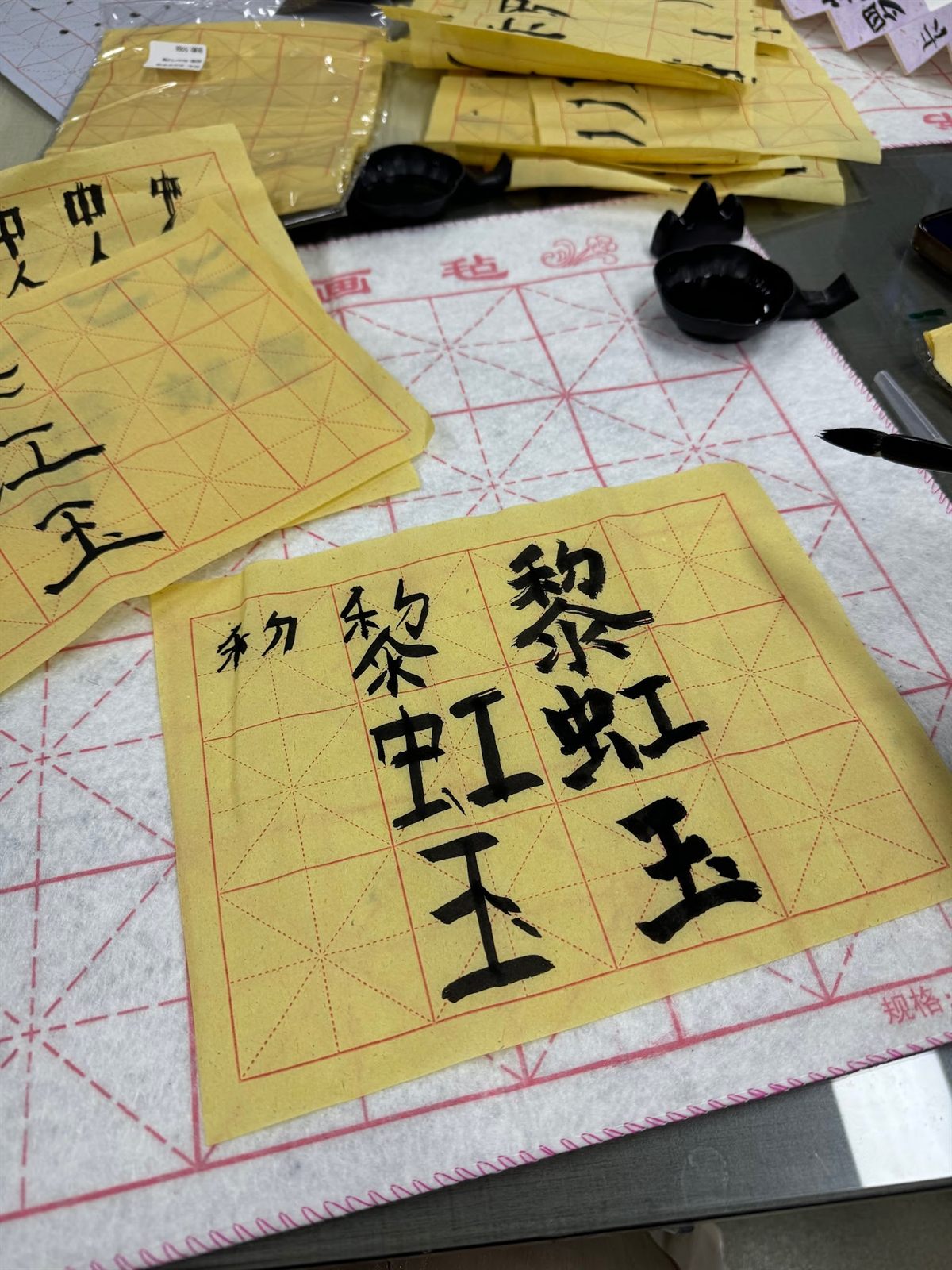
Practising my name in Chinese characters, 黎虹玉.

Guangdong Museum

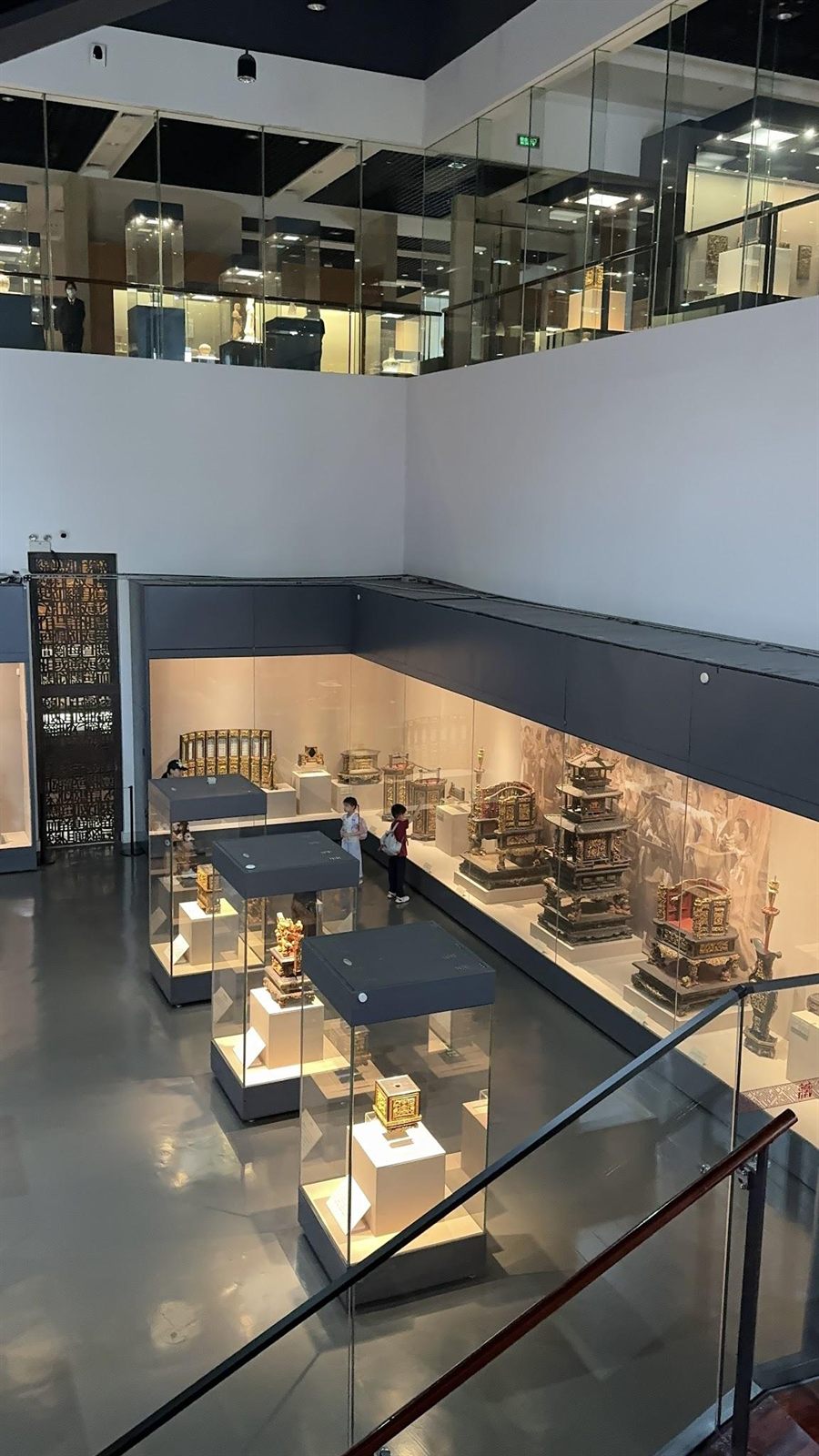
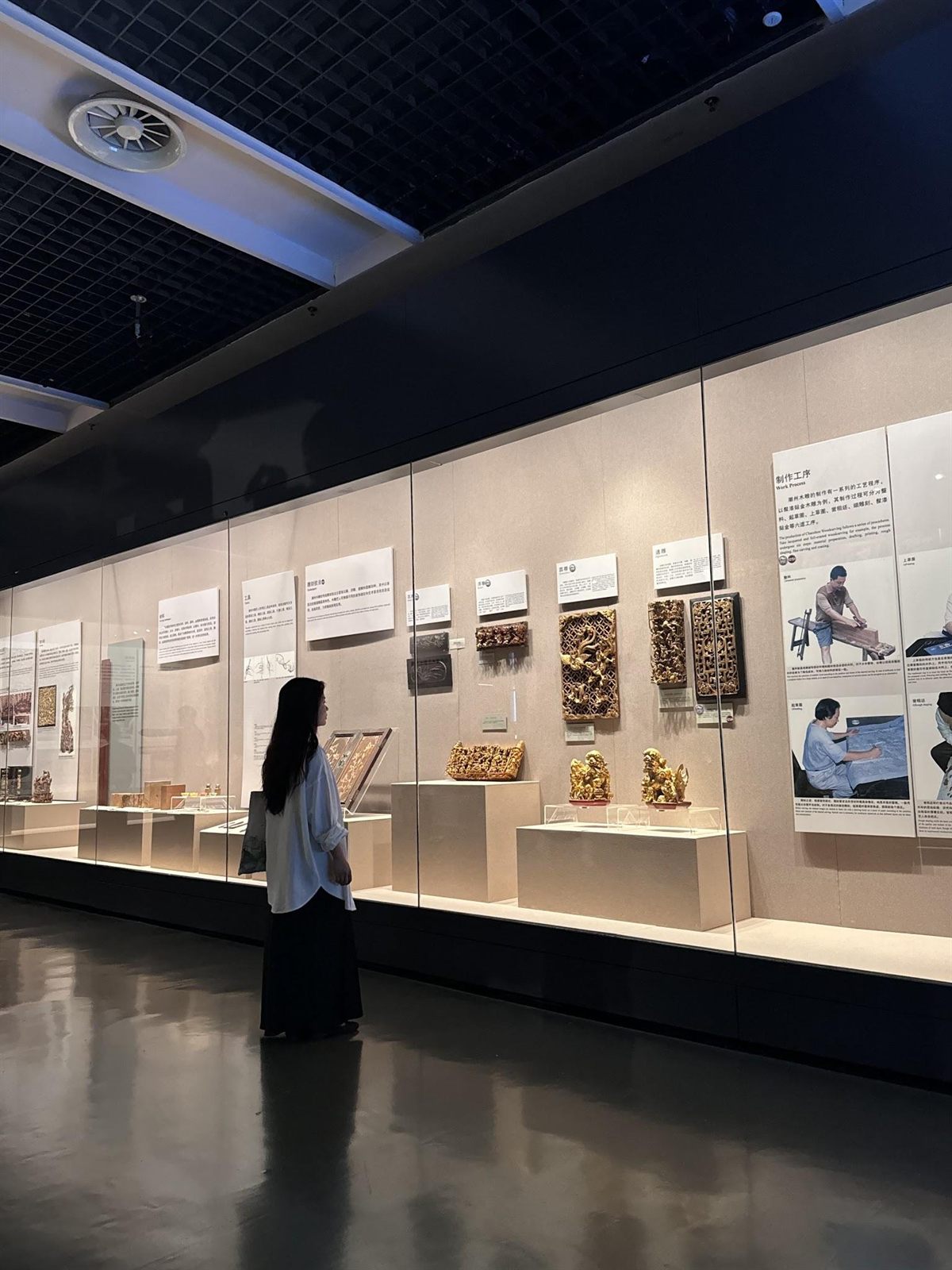
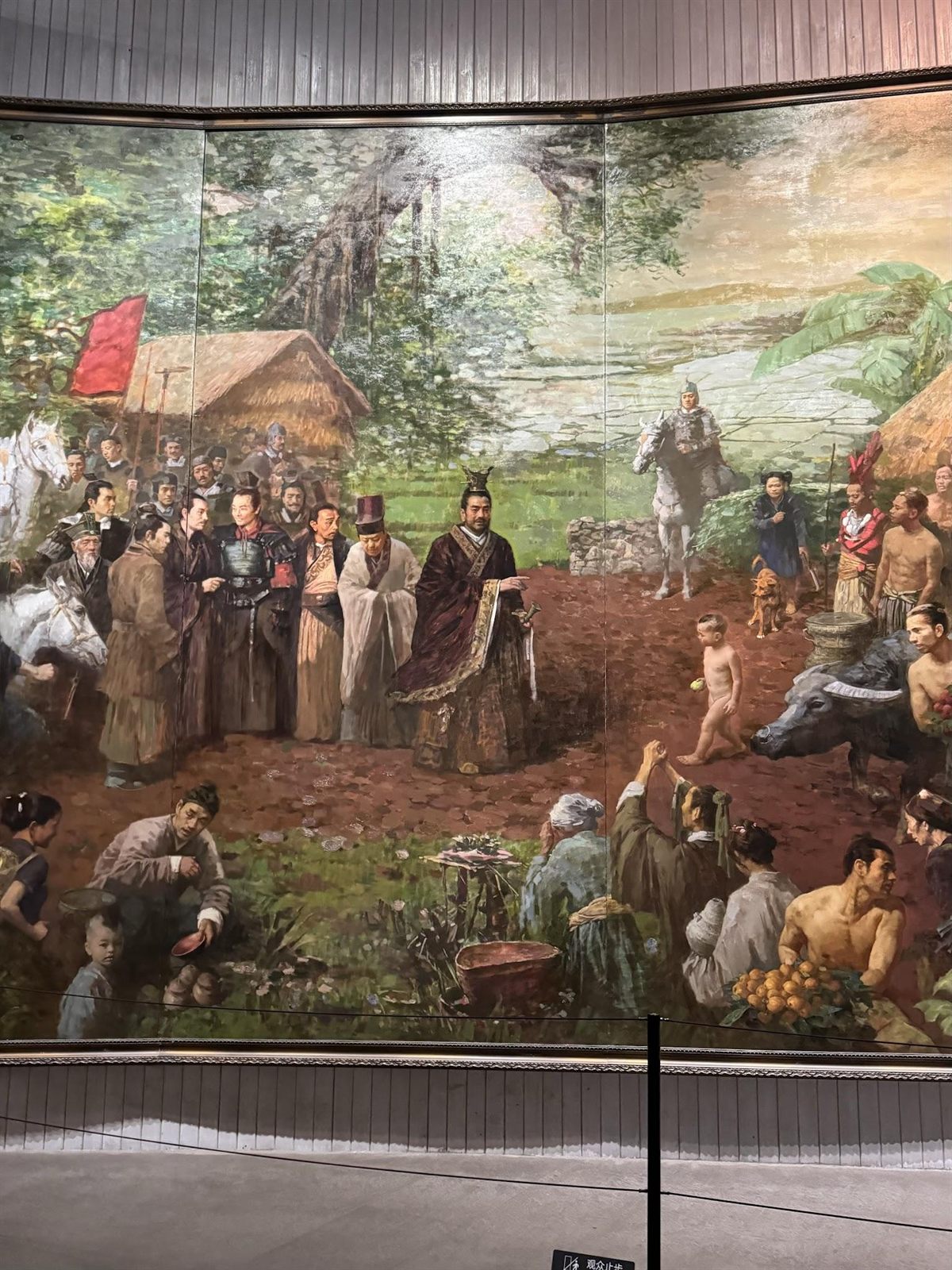
The visit to Guangdong Museum helped us understand the history of Guangdong Province through its art, trade and cultural development.

It provided valuable context for understanding how one of China's most economically dynamic regions developed over time.

Inside the Guangdong Museum.
Walking through the galleries.
A mural tracing the region's history.

Chen Clan Academy

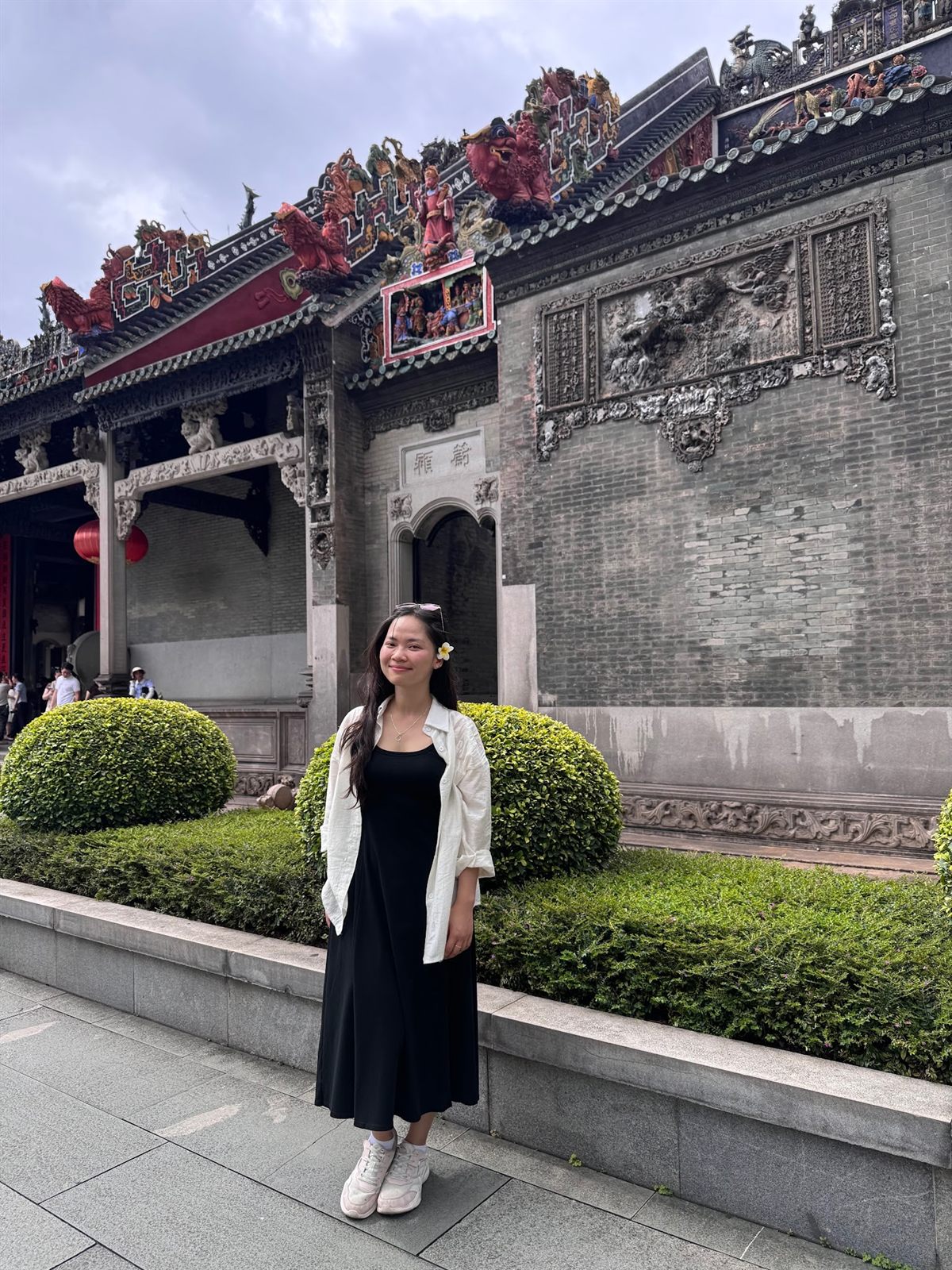
Walking through the Chen Clan Academy felt like stepping back into another era.

The detailed wood carvings, traditional architecture and craftsmanship reminded me how important cultural preservation remains despite China's rapid modernisation.

Outside the Chen Clan Academy.

Canton Tower

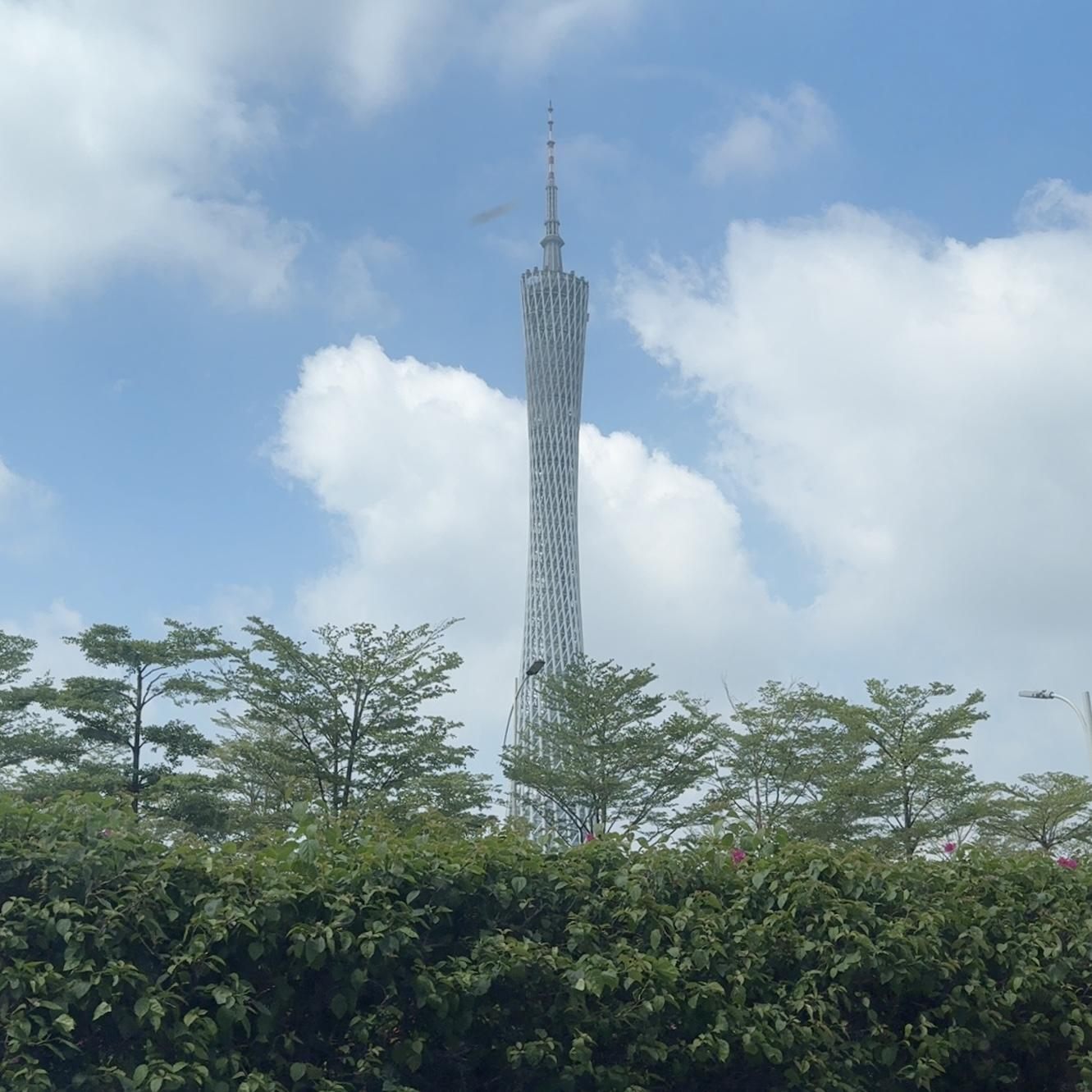
Of course, no visit to Guangzhou would be complete without visiting the iconic Canton Tower.

Standing beneath one of China's tallest landmarks perfectly symbolised the country's ambition and technological progress.

The Canton Tower against the Guangzhou sky.

The Biggest Lesson I Learned

When people think about China, they often focus only on rapid economic growth or advanced technology.

What impressed me most was something different.

China has found a way to preserve its traditional values while embracing innovation.

During the same week, I experienced centuries-old calligraphy traditions, visited historical museums and explored one of the world's most advanced technology companies.

These experiences did not compete with each other.

Instead, they complemented one another.

That balance between respecting history while investing in the future became one of the biggest lessons I took home.

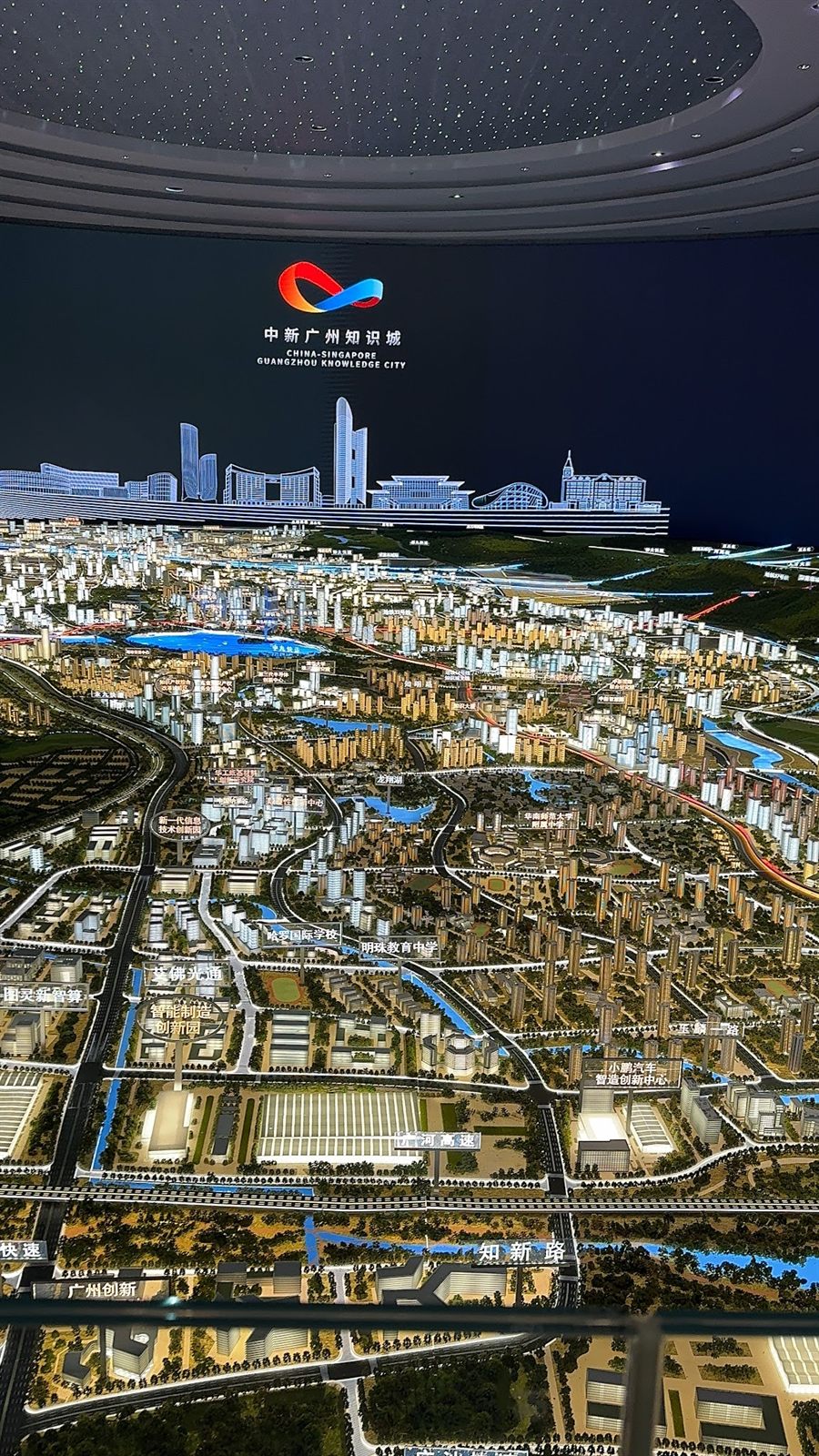
The scale model of the China-Singapore Guangzhou Knowledge City.
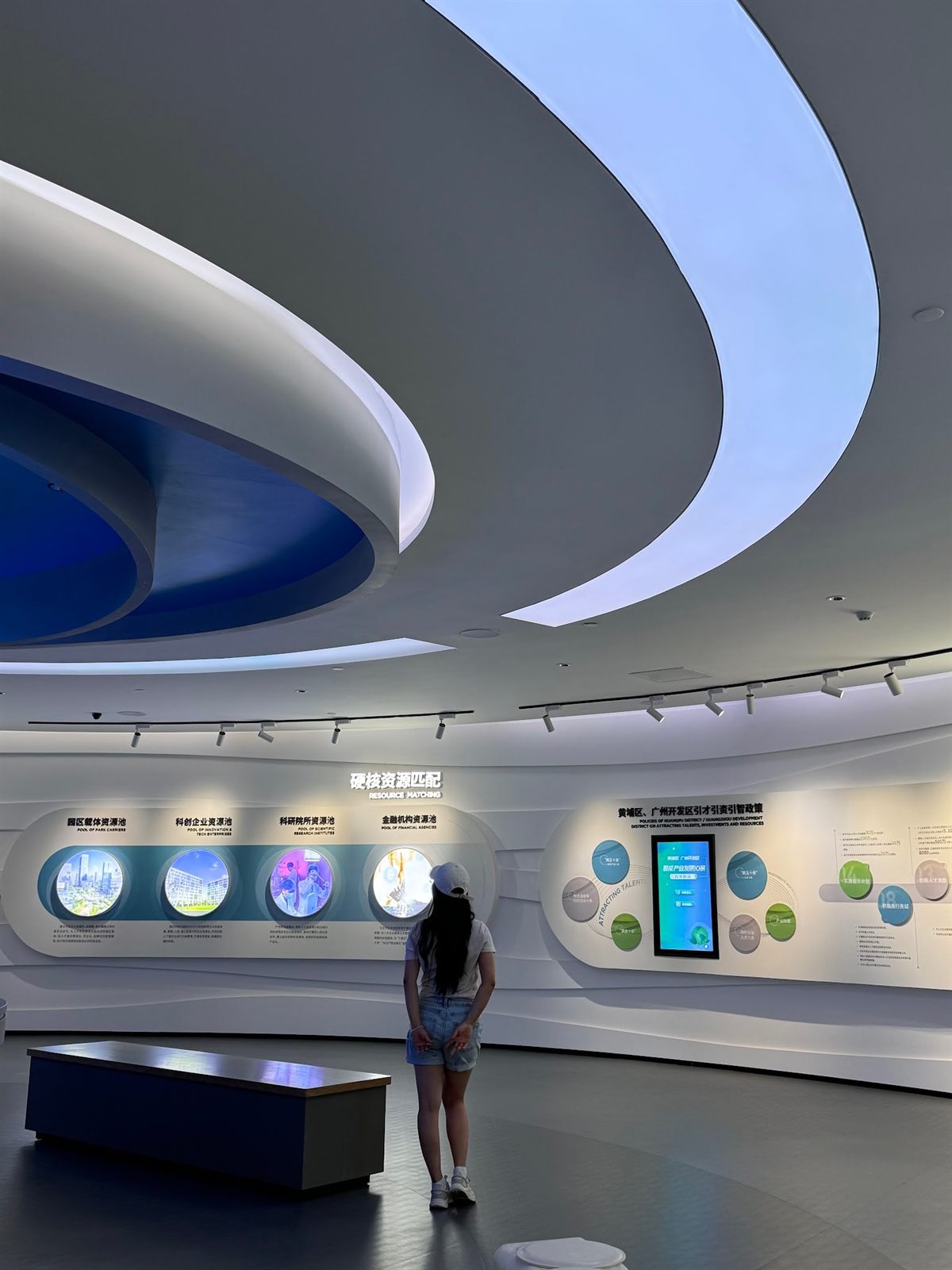
Inside one of the exhibition halls we visited.

Personal Growth

Beyond academic knowledge, the programme helped me develop valuable personal and professional skills.

I became more confident communicating with people from different cultural backgrounds.

Working in international teams improved my collaboration and presentation skills.

Participating in business case discussions strengthened my ability to analyse problems from multiple perspectives.

Most importantly, I became more adaptable.

Travelling abroad always involves unexpected situations, but every challenge became an opportunity to learn.

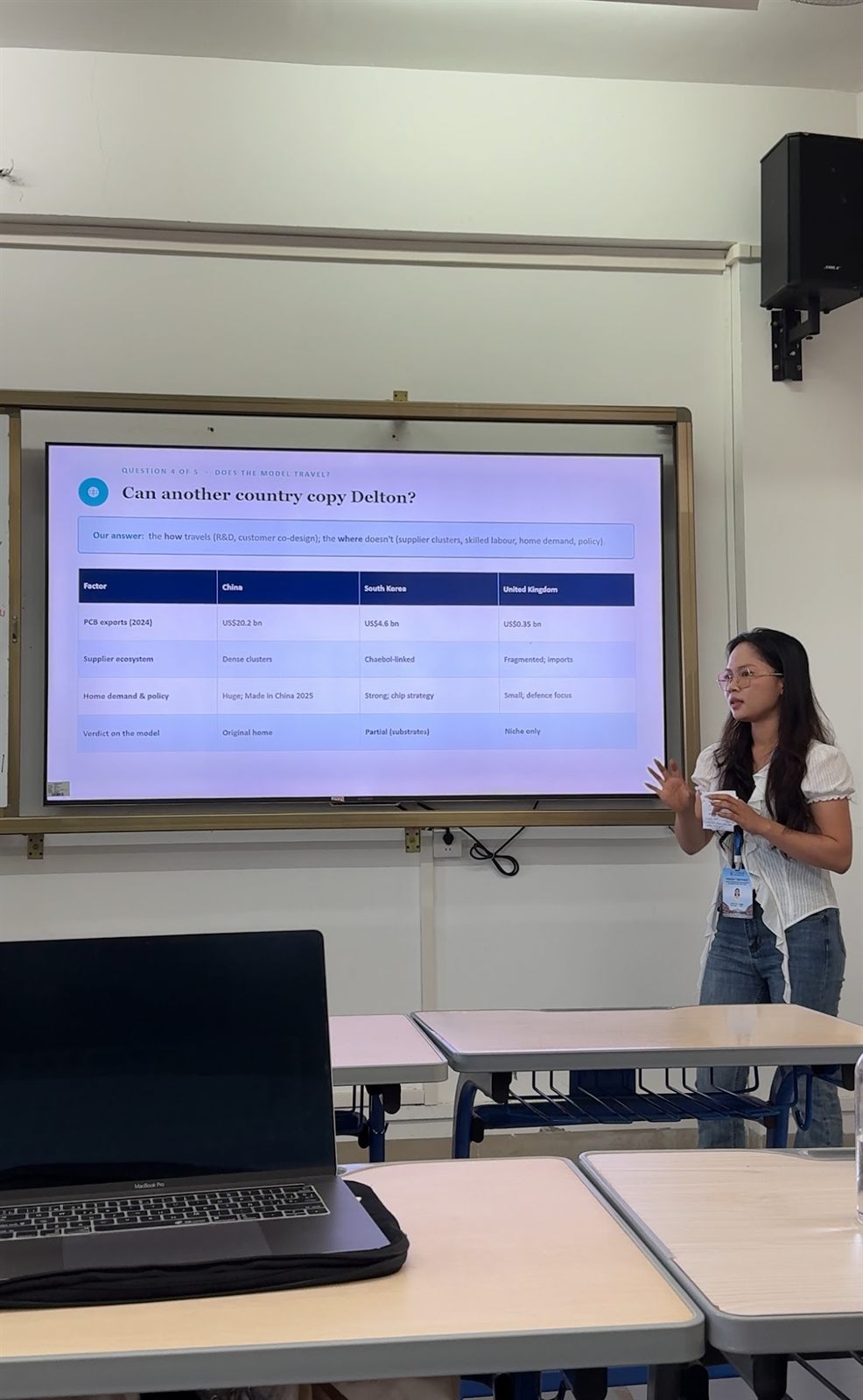
Presenting during one of our sessions.

Looking Towards the Future

This experience has strengthened my confidence in pursuing an international career.

As an MSc International Management student, I now have a much better understanding of how global businesses operate across different cultural contexts.

I also gained a deeper appreciation of how innovation is shaped not only by technology but also by history, culture and people.

These lessons will continue to influence both my academic studies and my future career in marketing and international business.

Advice for Future Turing Students

If you are considering a Turing Scheme opportunity, my advice is simple:

Be curious. Talk to local students. Join every activity. Step outside your comfort zone. Keep an open mind.

The experiences outside the classroom are often just as valuable as those inside it.

Final Reflection

The Turing Scheme gave me far more than an opportunity to travel.

It allowed me to see how innovation, education and culture can exist together in harmony.

It challenged my assumptions, broadened my international perspective and gave me greater confidence in my future career.

As I returned to Bournemouth, I realised I was bringing home much more than photographs and souvenirs.

I returned with new friendships, new ideas and a new understanding of the world.

China showed me that the future does not have to replace the past. Sometimes, the greatest strength comes from allowing tradition and innovation to grow together.

I would like to express my sincere gratitude to Bournemouth University, the Turing Scheme and Guangzhou College of Commerce for making this unforgettable experience possible. It has been one of the most rewarding experiences of my academic journey, and I hope many more students will have the opportunity to take part in similar international programmes in the future.
Back to everyone