Introduction & Background: The Choice to Cross Horizons
My journey into global business began at Bournemouth University (BU) in the UK, where I am currently studying MSc International Management. When selecting a university, BU stood out to me because of its strong focus on employability, practical coursework, and a clear commitment to giving students global exposure. I wanted an education that extended beyond the classroom, and BU's emphasis on international collaboration aligned perfectly with my career goals.
I had always hoped to gain experience volunteering or working abroad. Having a multicultural background, I knew that understanding different ways of working is essential in today's economy. East Asia, particularly China, is at the forefront of digital commerce and technological innovation, making it a key region to study.
My goals for this tour were a mix of personal and professional development: I wanted to explore a new business ecosystem, enhance my career prospects, build cross-cultural relationships, and challenge myself in an unfamiliar environment.
Preparing for the Traineeship: The Gateway to the Greater Bay Area
I discovered this opportunity through BU's Business School global opportunities portal. The program was a joint collaboration between Bournemouth University, Dongseo University in South Korea, and Guangzhou College of Commerce (GCC) in China.
I chose to accept this traineeship because GCC offered a study that combined digital business strategies like AI marketing and e-commerce with technical projects, including robotics and smart logistics.
Before departing, I researched the Greater Bay Area's (GBA) economic strategy to understand how Guangzhou has integrated sustainable development with digital retail. I used LinkedIn to connect with past participants and read industry studies to prepare for the program.
Funding for the trip was provided by the UK's Turing Scheme. The application process was straightforward and well-supported by BU's Global Engagement Team, who guided us through the risk assessments and travel documentation.
Receiving this funding was essential: it covered my travel, accommodation, and daily expenses, allowing me to focus entirely on the academic program and cultural activities without financial worry.
Settling In: First Impressions, Campus Life, and Cultural Discovery
Arriving at Guangzhou Baiyun International Airport, the scale of the infrastructure and the warm, humid climate immediately signaled that I had entered a new environment. Being far from home in a place with a different language and digital system felt slightly overwhelming at first, but the warm welcome from our GCC student hosts quickly put me at ease. They met us at the airport and guided us to our campus accommodation.
On campus, we lived in the GCC student dormitories, which were modern and air-conditioned. Unlike the typical off-campus housing common in the UK, the GCC campus is a self-contained community with its own libraries, dining halls, and recreational facilities. This arrangement allowed us to experience daily life alongside local Chinese students.
Life in Guangzhou contrasted with the UK in terms of pace, scale, and technology. The most noticeable difference was the cashless system; every transaction, from street food stalls to public transport, was completed via WeChat Pay or Alipay. The sub-tropical climate and vertical architecture also stood in contrast to the cooler, more low-rise landscape of Bournemouth.
At the same time, we found common ground: a shared interest in basketball on the campus courts and a love of music and food served as easy ways to build friendships.
Our social schedule was busy. We participated in welcoming dinners, played sports, and spent our weekends exploring historical locations like Shamian Island and the shopping district of Beijing Road.
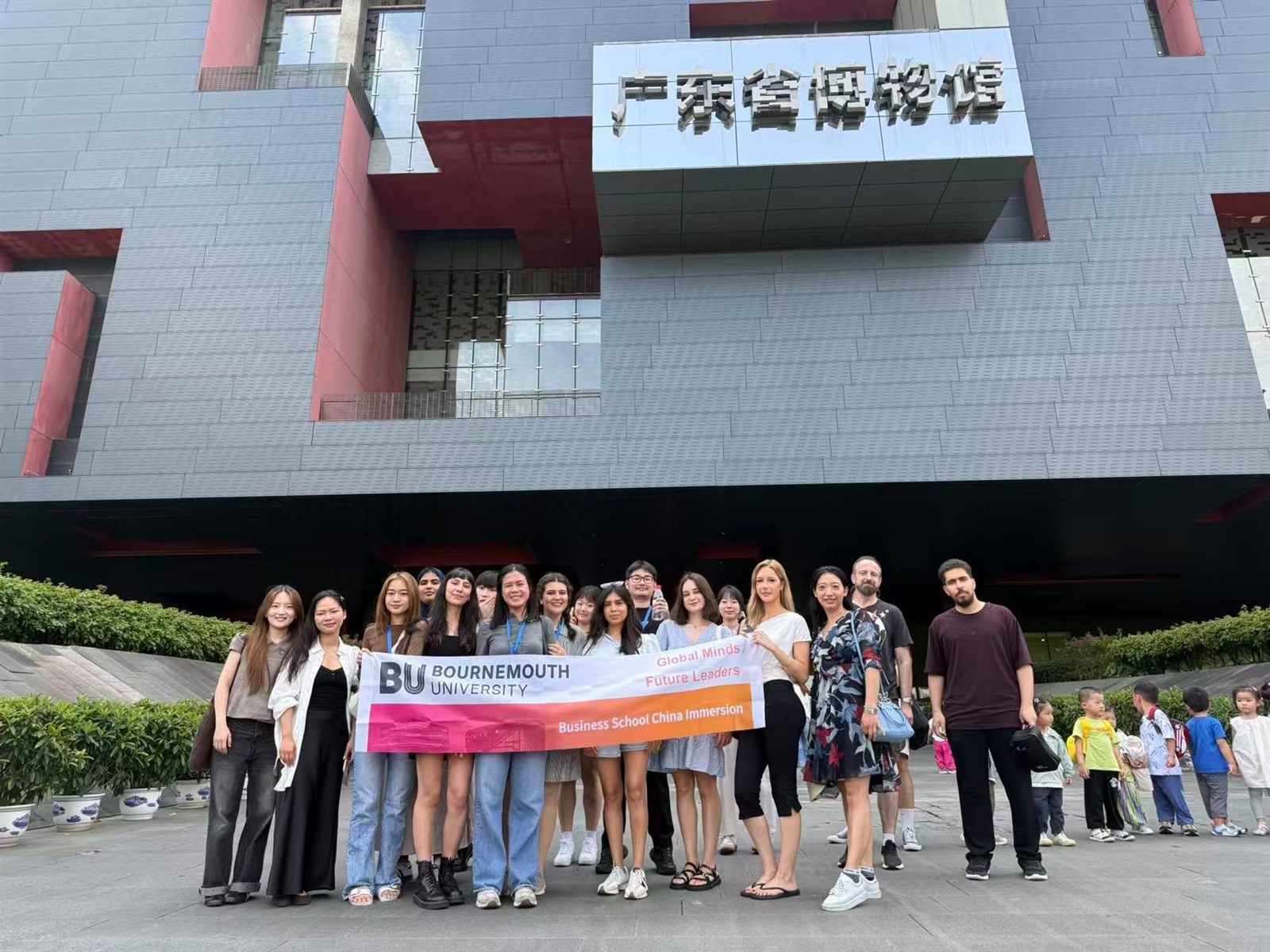
We also took a Pearl River Night Cruise to see the city skyline and visited the Guangdong Museum to learn about the history of the region.
The efficiency of Guangzhou's digital infrastructure was exciting, making daily tasks simple once we set up our local apps. The language barrier remained a challenge, but using translation tools, gestures, and patience helped us manage everyday interactions and build resilience.
Our international cohort holding the Bournemouth University banner outside the Guangdong Museum during a weekend excursion.
Working Life: Bridging Business Strategy and Hands-On Technology
The academic program was directly relevant to my studies in Business Management. It took the theoretical models of supply chain management and digital marketing and applied them directly to China's retail market.
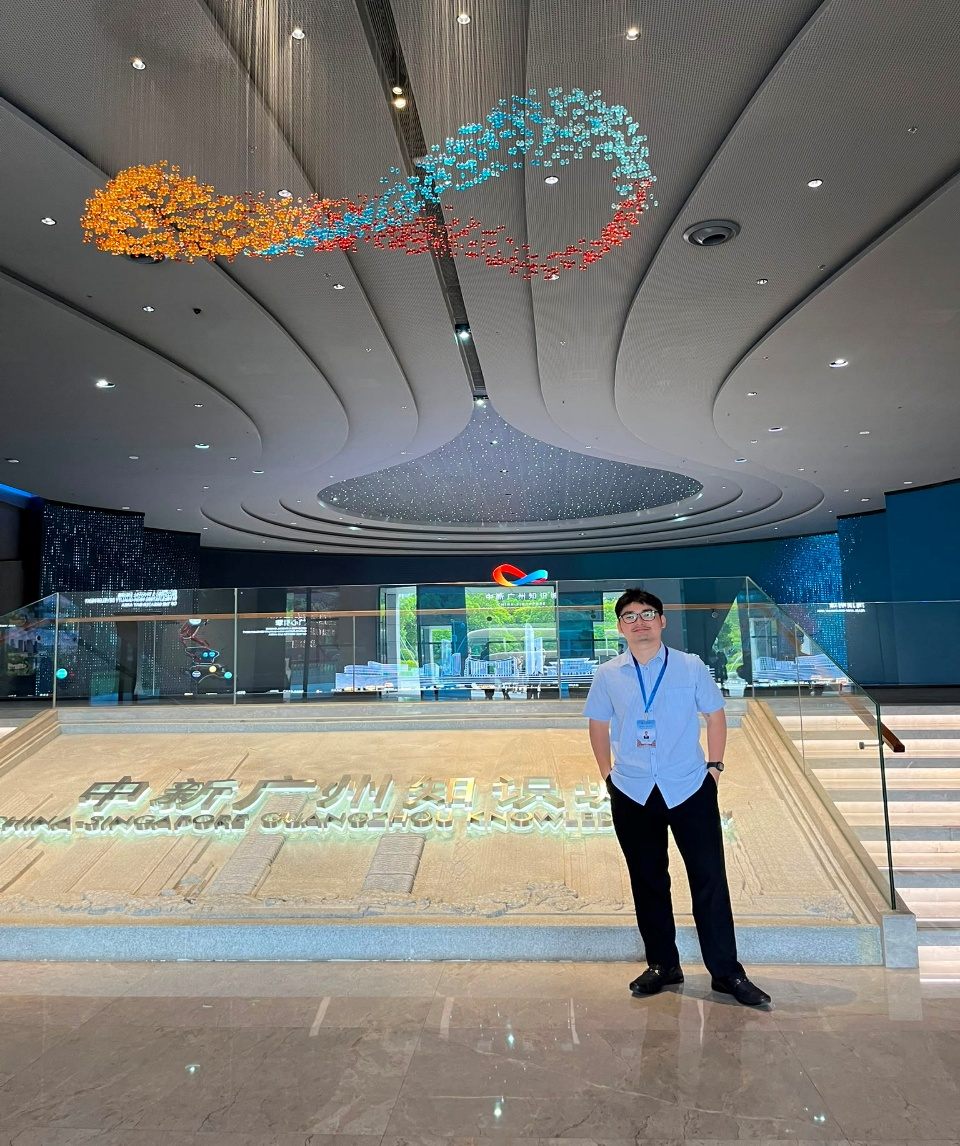
We studied how local companies manage logistics and consumer feedback loops, and visited projects like the Sino-Singapore Guangzhou Knowledge City (SSGKC) to see how smart infrastructure is planned.
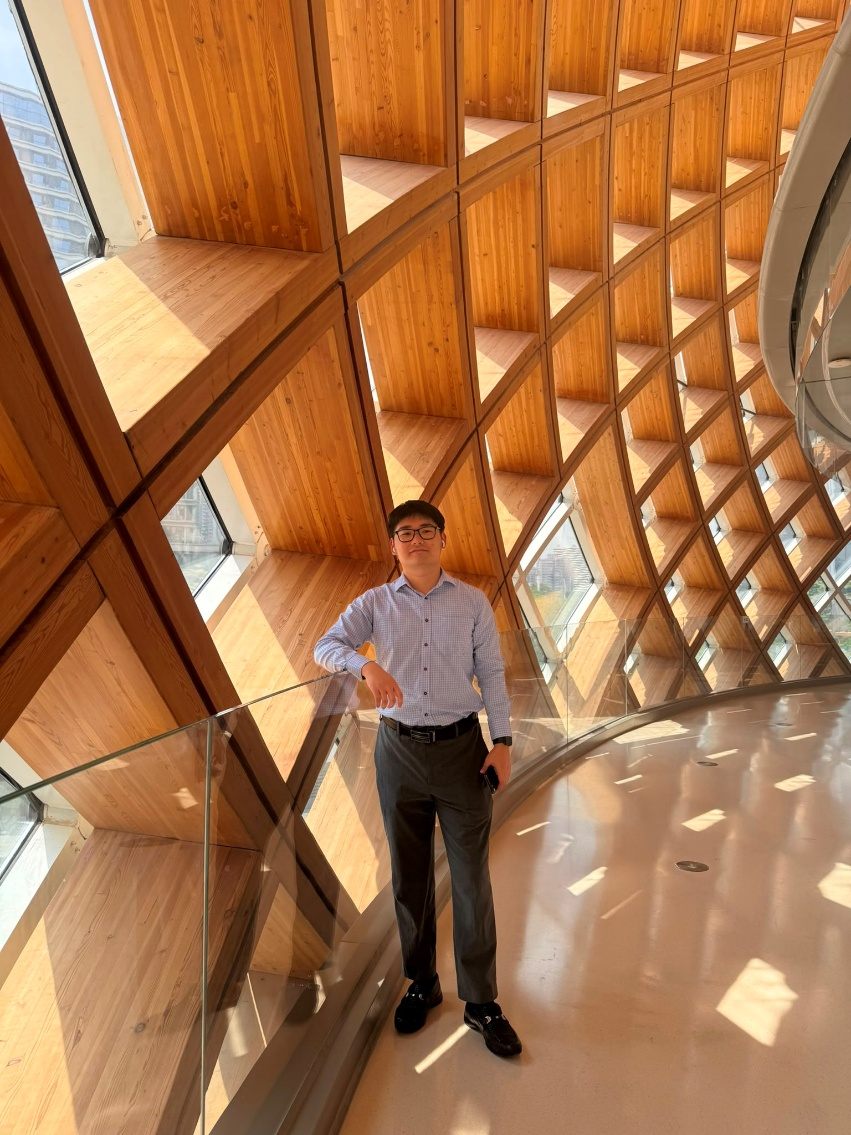
The program was highly interactive and hands-on. Instead of traditional lecture-based learning, we engaged in contract negotiation simulations, programmed obstacle-avoidance robots, and visited research centers like the National Nano Science & Technology Innovation Institute to study how scientific research is commercialized.
A major highlight of the academic schedule was the Final Business Case Competition. Working in teams with South Korean and Chinese students to develop a market entry strategy for a technology product was highly rewarding.
Aligning group members with different native languages under tight deadlines was challenging, but we succeeded by dividing tasks based on individual strengths and maintaining open, clear communication.
The working environment at GCC was highly collaborative and team-oriented, contrasting with the more individualistic focus typical of UK university work. While English was the main working language, collaborating internationally required us to speak clearly and avoid localized idioms.
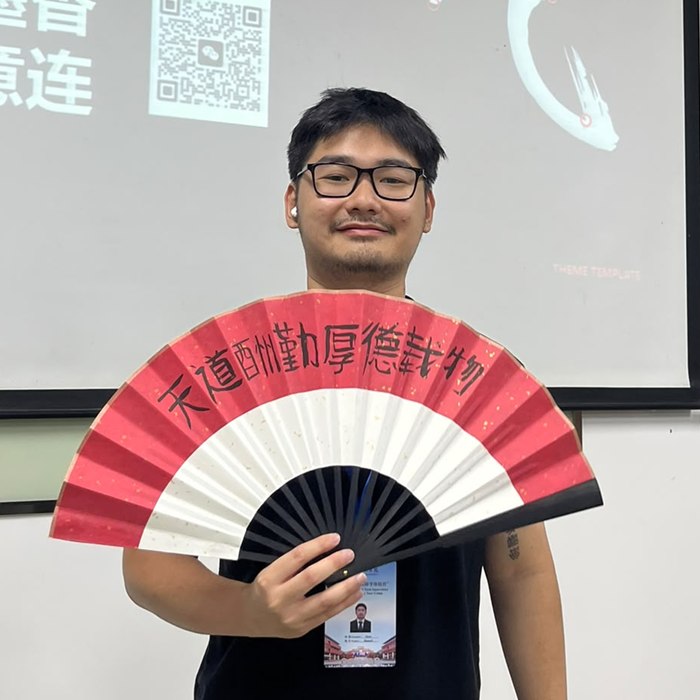
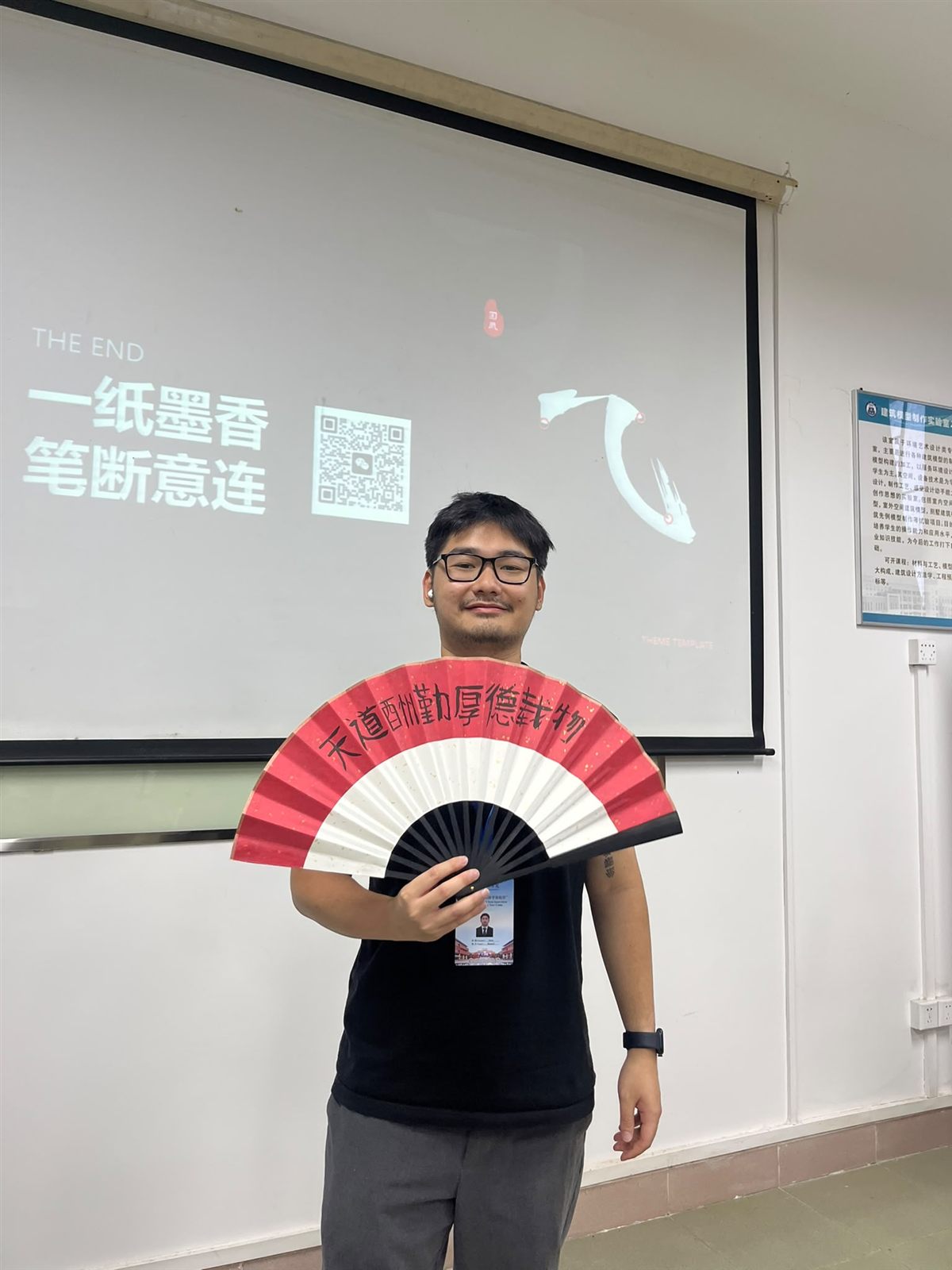
Outside the classroom, I developed basic Mandarin skills and appreciated the opportunity to learn traditional characters during a calligraphy workshop.
Standing at the entrance of the Sino-Singapore Guangzhou Knowledge City, studying sustainable smart city logistics.Standing within the modern, architecturally striking facilities of the National Nano Science and Technology Innovation Institute.Holding the hand-painted calligraphy fan featuring traditional Chinese characters, created during our cultural workshop.
Global Outlook & Reflections: Personal and Professional Growth
This experience has broadened my perspective on business. I learned that Chinese business strategy is highly ecosystem-driven, with research institutions, digital platforms, and logistics networks working in close coordination. This approach allows companies to scale and adapt quickly, representing a powerful model for global business.
Working in multicultural teams also increased my self-awareness. I realized that my default communication style was very direct. My East Asian peers, however, placed a high value on group consensus and relationship-building.
Adapting to this style taught me the value of active listening and compromise, which are essential skills for global collaboration.
The program has reinforced my career goals, giving me the confidence to pursue a career in international business and technology strategy.
I feel much more comfortable communicating in intercultural settings, having learned to pay attention to subtle communication cues and adapt my behavior to build trust.
The Business Case Competition bridged the gap between academic theory and practice. Applying models like PESTLE analysis or VRIO analysis to an actual market entry plan that required e-commerce strategy and AI marketing tools helped me see the real-world value of my studies.
This practical experience, combined with the cross-cultural teamwork, has significantly boosted my confidence in my employability.
This tour has also increased my curiosity about other cultures. I returned home eager to continue my Mandarin studies and seek out global opportunities.
Collaborating closely with Korean and Chinese students has shown me that despite differing communication styles, shared goals and mutual respect are always the foundation of successful teamwork.
Knowing what I know now, I would advise myself at the start of the trip to: "Listen more, be patient, and embrace the unfamiliar. Language is just one tool; trust is built through actions and a willingness to learn."
To other students considering studying or working abroad, I would say: "Do not hesitate. The support from the Turing Scheme and the university makes these opportunities possible. Stepping outside your comfort zone is the best way to grow both personally and professionally."
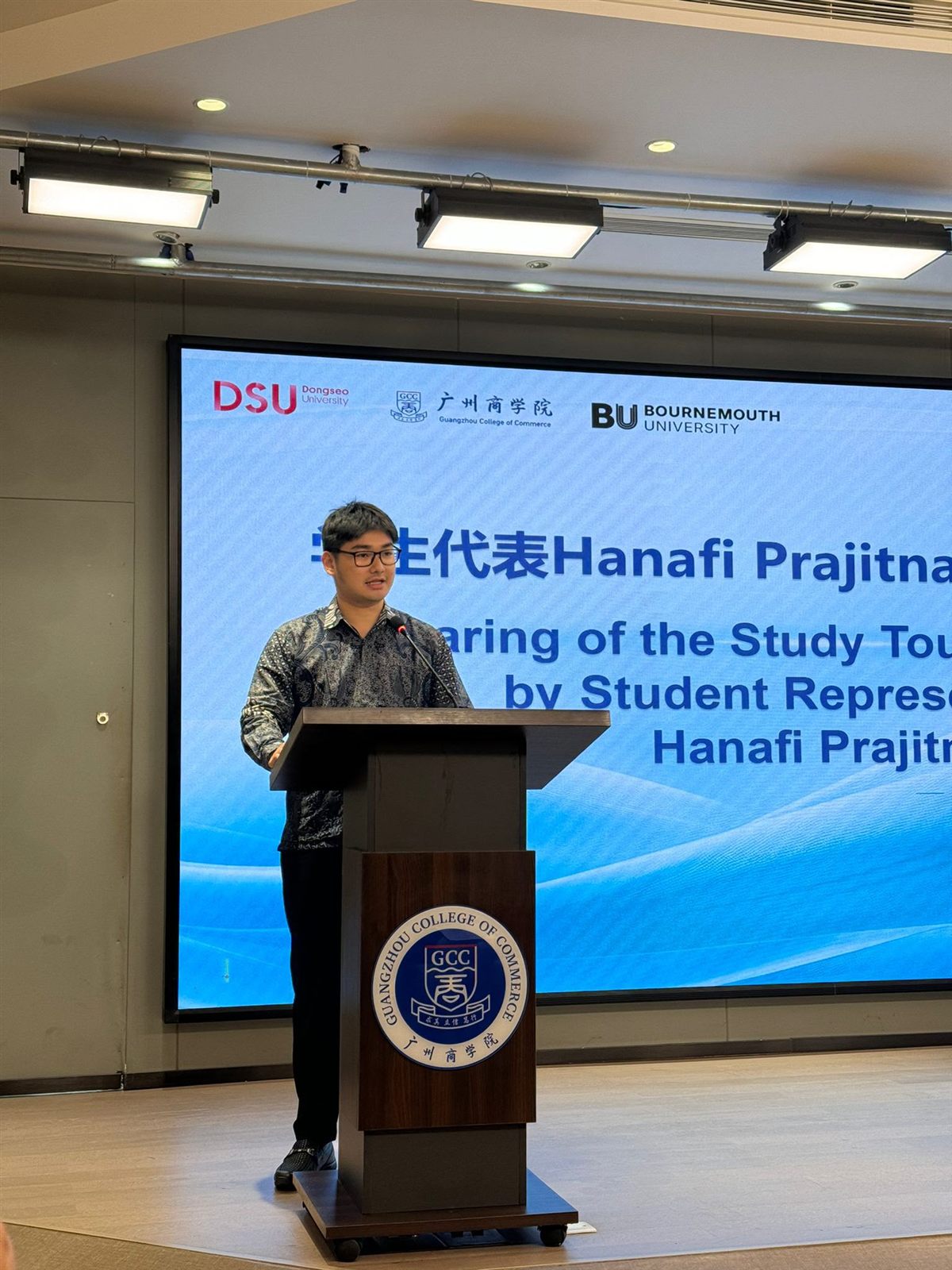
My greatest achievement during the tour was being chosen as the student representative to deliver the closing ceremony address, sharing our collective experiences and celebrating the connections we had built.
Ultimately, I gained valuable skills in intercultural communication, business presentation, and collaborative leadership.
I recommend this program to others without hesitation. It was a transformative experience that has shaped my academic outlook and inspired my future career.
Delivering the student representative address during the Closing Ceremony, representing the Bournemouth University cohort.