Skip to content

A personal journal

Faris Elshammouty

Human centred AI

Human centred: what Guangzhou taught me about people and machines

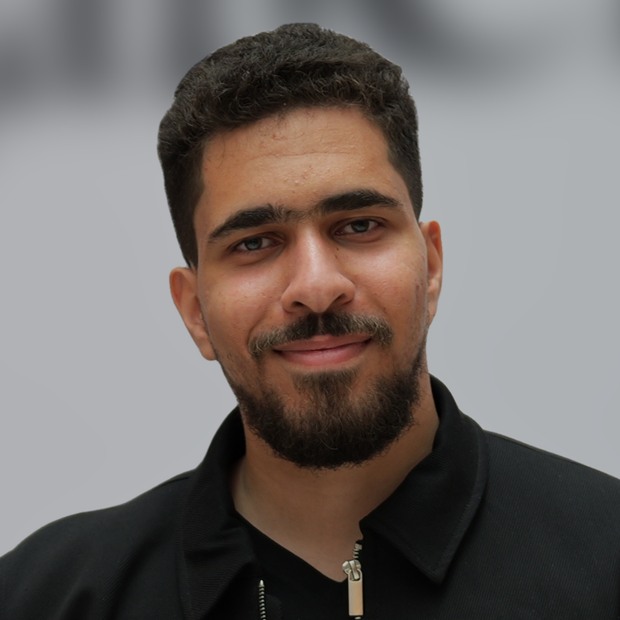
I am Faris Elshammouty, an Egyptian student on the MSc Human Centred Artificial Intelligence at Bournemouth University. Between 21 June and 6 July 2026 I joined the Cantonese Rhyme and Tech Innovation Guangzhou Study Tour Camp at Guangzhou College of Commerce, funded by the UK Turing Scheme.

My degree is built on a simple idea: technology is only as good as its fit with the people who use it. I went to Guangzhou expecting to test that idea against a very advanced technical environment. What I did not expect was how often the answer came back to something human. A patient volunteer with a translation app. A calligraphy teacher correcting my grip. A room full of strangers who became a team by the end of a case presentation.
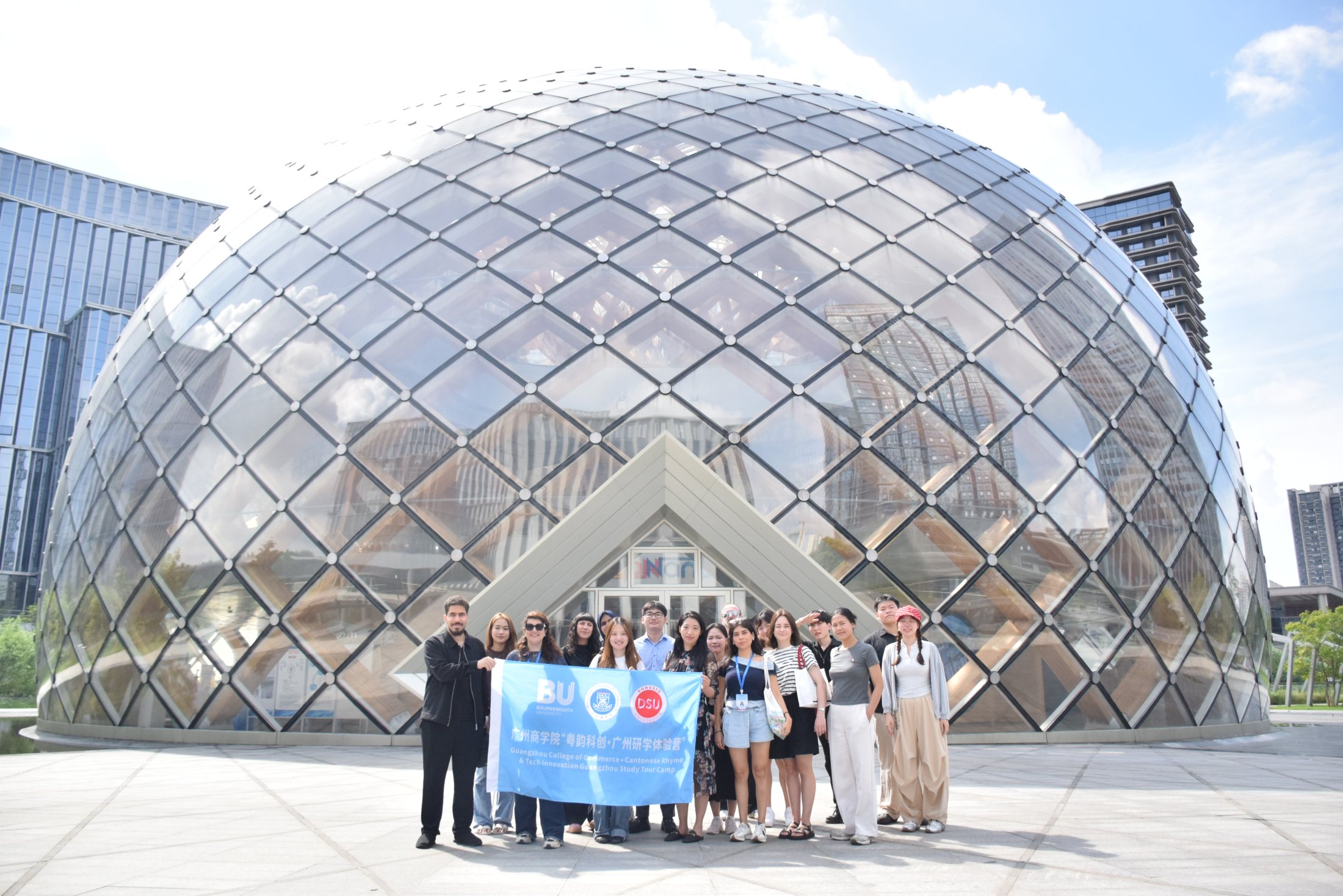
Our cohort outside the Greater Bay Area nanotechnology institute

About me: Egypt, then Bournemouth

I grew up in Egypt, where I first got interested in computing for a very ordinary reason: I liked building things that other people could actually use. That interest slowly turned into a question I could not put down. As systems get more capable, who are we building them for, and who gets left out?

That question is what brought me to Bournemouth University. I wanted a course that treated artificial intelligence as a human subject as much as a technical one, and Human Centred AI does exactly that. I also wanted somewhere that pushed students outward, into industry and into other countries, rather than keeping us in a lecture theatre. When I saw an opportunity to study in China, that promise was being kept.

Had I always planned to study abroad again? Honestly, no. Moving from Egypt to the UK was already a big step, and part of me thought that was the adventure done. But East Asia kept appearing in everything I read about AI deployment at scale, and I realised I was forming opinions about a place I had never set foot in. I went for all the usual reasons, career prospects, new people, somewhere unfamiliar, but mostly I went to replace secondhand impressions with firsthand ones.

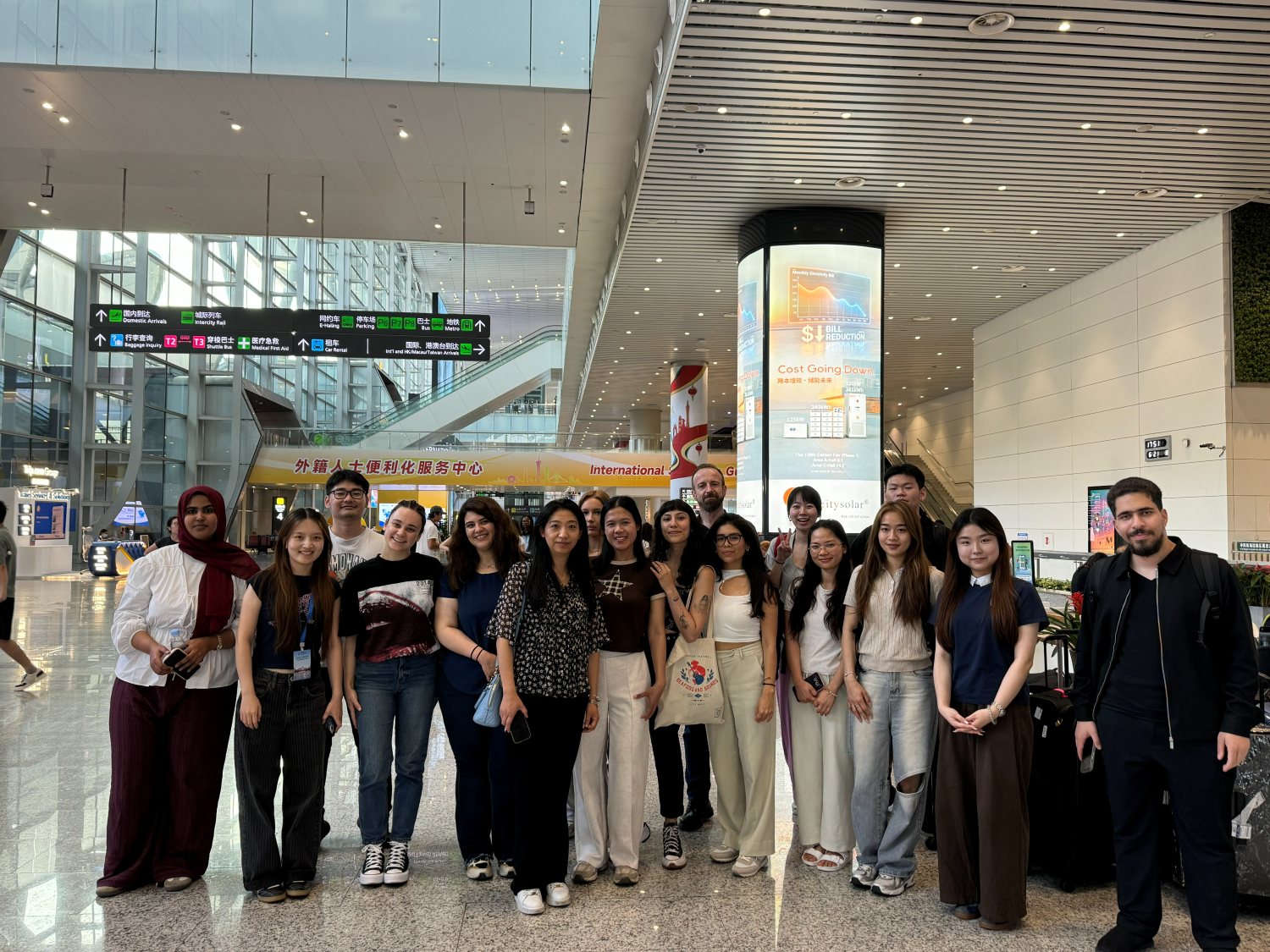
Landing at Baiyun International Airport at the start of the camp

Preparing: the Turing Scheme made it real

I found the opportunity through Bournemouth University, and Dr Danni Liang introduced the programme to us. What made me accept was the shape of the camp itself. It was not only lectures. It combined AI marketing, cross border e-commerce live streaming, an intelligent robot challenge and business negotiation with enterprise visits to real research institutes and technology companies. For someone studying how AI meets people, that mix was close to ideal.

Before leaving I did the practical research: what to install before arriving, how payments work when almost everything runs through WeChat or Alipay, and how much of daily life assumes a phone you have already set up. I read about Guangzhou as a city too, so that I would arrive with some context rather than none.

The Turing Scheme application was straightforward, and the university guided us through the paperwork rather than leaving us to it. The funding mattered more than the word funding suggests. It covered the costs that usually decide whether an opportunity like this is real or theoretical. Without it, I would have read about Chinese innovation. With it, I stood inside it.

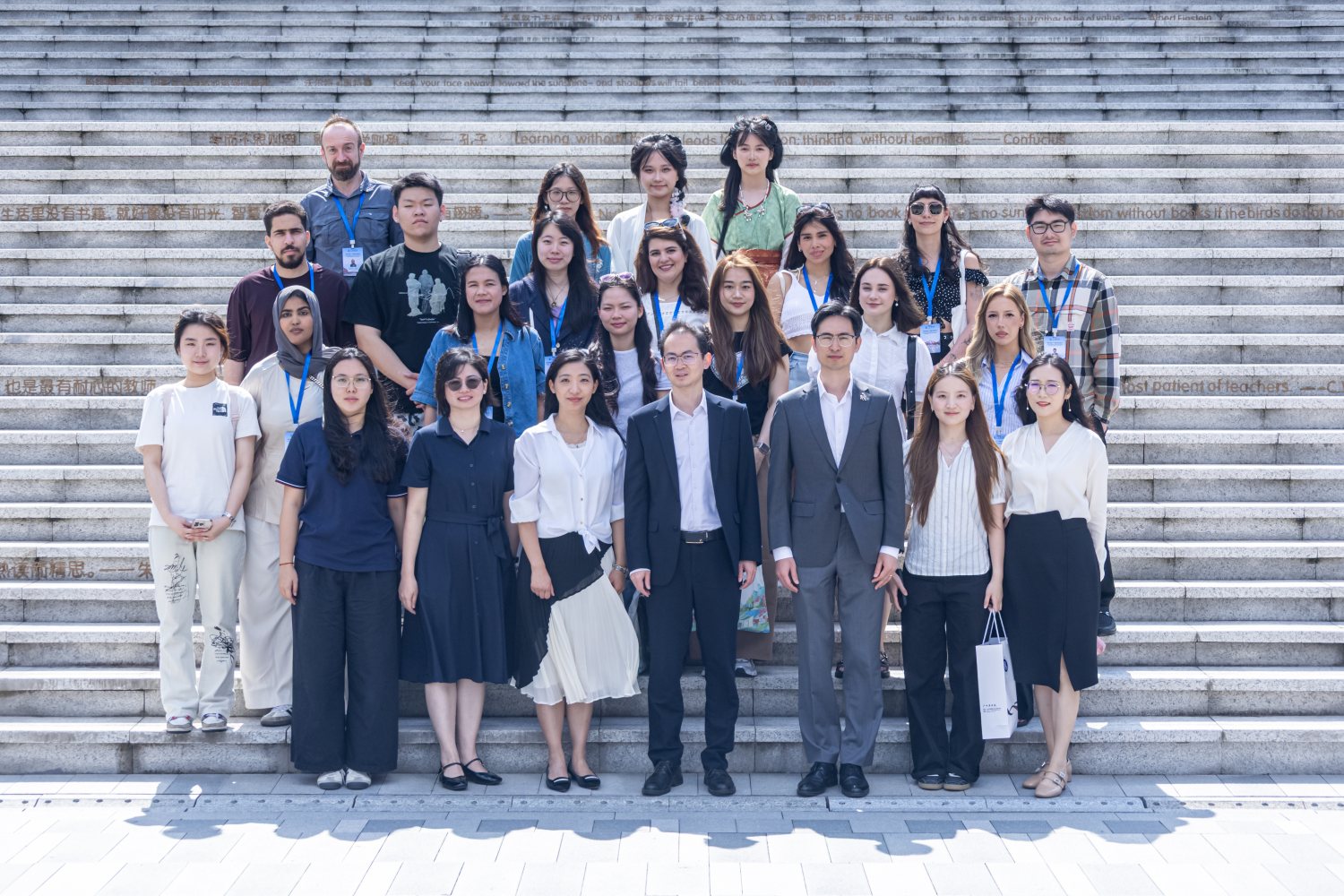
The whole cohort after the opening ceremony at the International College

Settling in: heat, a cashless city, and a campus like a small town

Guangzhou in late June is hot in a way that arrives all at once when the airport doors open. Egypt gets hot, so I thought I was prepared, but Egyptian heat is dry and this was humid enough to feel like weather with weight. Within a couple of days it stopped being a shock and became simply the climate we worked around, with air conditioning, early starts and a lot of cold water.

We stayed at a hotel directly across from one of the college gates, so the walk to class each morning took minutes. That proximity shaped the whole trip. The campus itself surprised me most. It functions like a small town, with libraries, canteens, sports courts and studios all inside one green boundary, which is quite different from a UK university spread through a city.

The biggest daily difference was how much of life runs through a phone. Payments, transport, ordering food, even the vending machines. As someone who studies interaction design, I found it genuinely instructive to be the outsider for once, the person whose mental model does not match the system. Language was the other adjustment. Most conversations happened through translation apps, gestures and patience, and the Chinese students helped constantly. Outside the timetable we explored the city together in the evenings and on the free weekends, which is where a lot of the friendships actually formed.

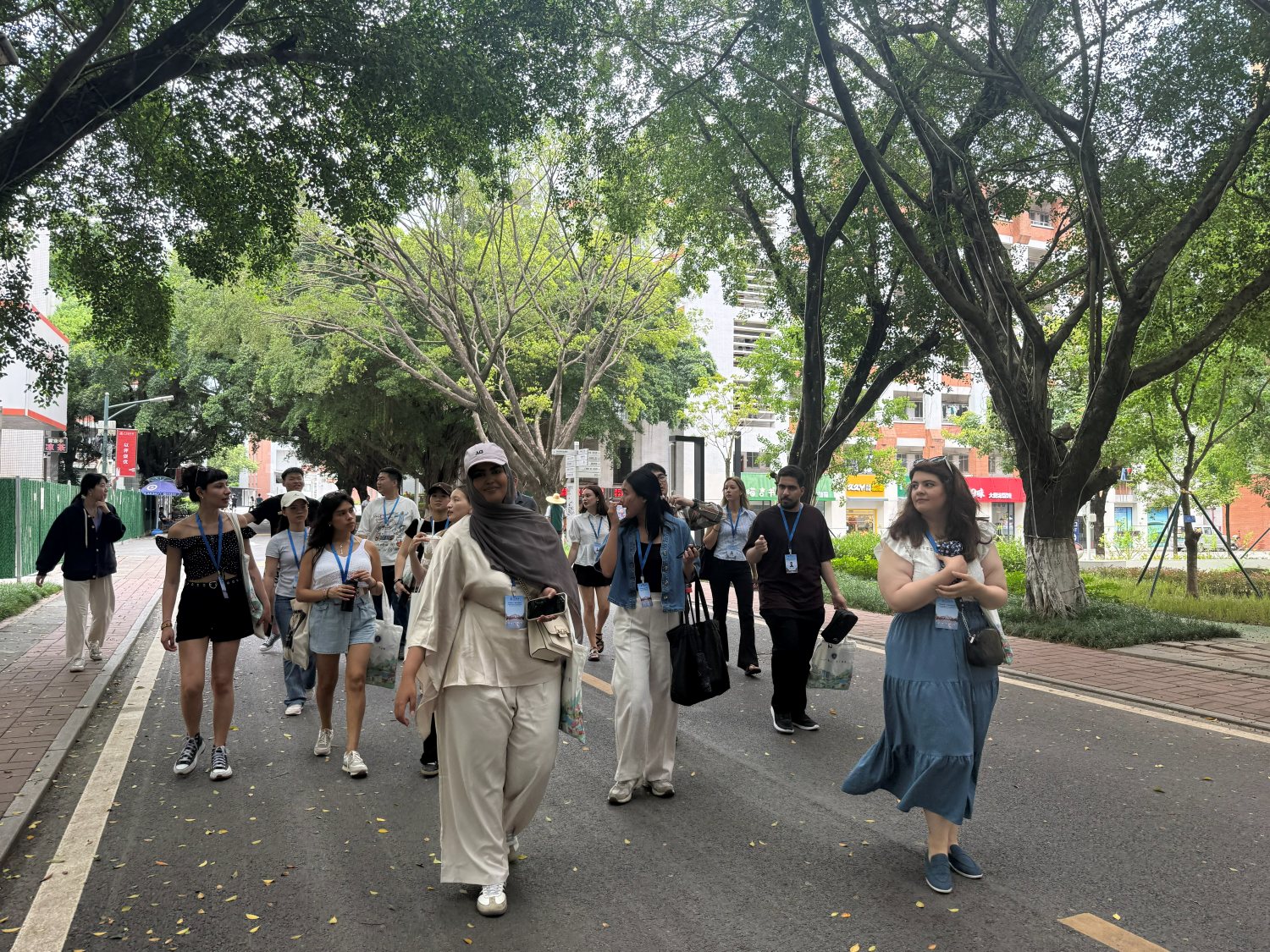
The tree lined walk across campus between sessions
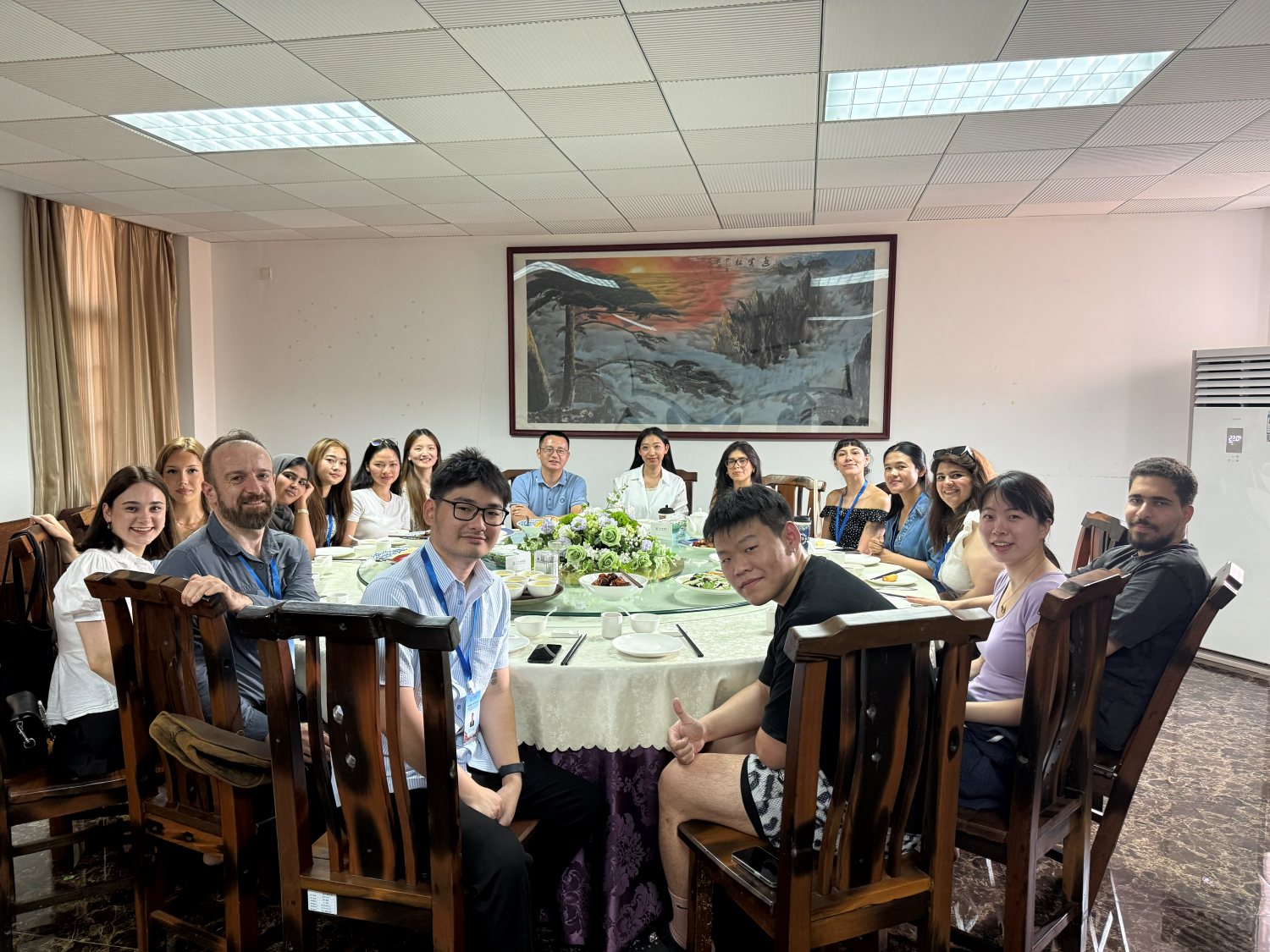
The welcome dinner on our first full day

Working life: where my degree met the real thing

The academic programme lined up with my course more directly than I had dared to hope. The AI marketing and brand design session was the clearest example. I had studied how recommendation and personalisation systems shape behaviour, and here was a room full of people using those tools as ordinary working equipment, generating brand imagery in minutes and treating AI as a colleague rather than a novelty.

The cross border e-commerce live streaming session was the one that genuinely rearranged my thinking. Standing in a real studio, watching how a host reads a comment stream and adjusts in real time, I realised I had been treating that interaction as a data problem when it is mostly a human performance supported by data. The intelligent robot challenge worked on me the same way. Programming a small car to avoid obstacles is a neat technical exercise until you watch four people from three countries argue about it, and the hard part becomes coordination rather than code.

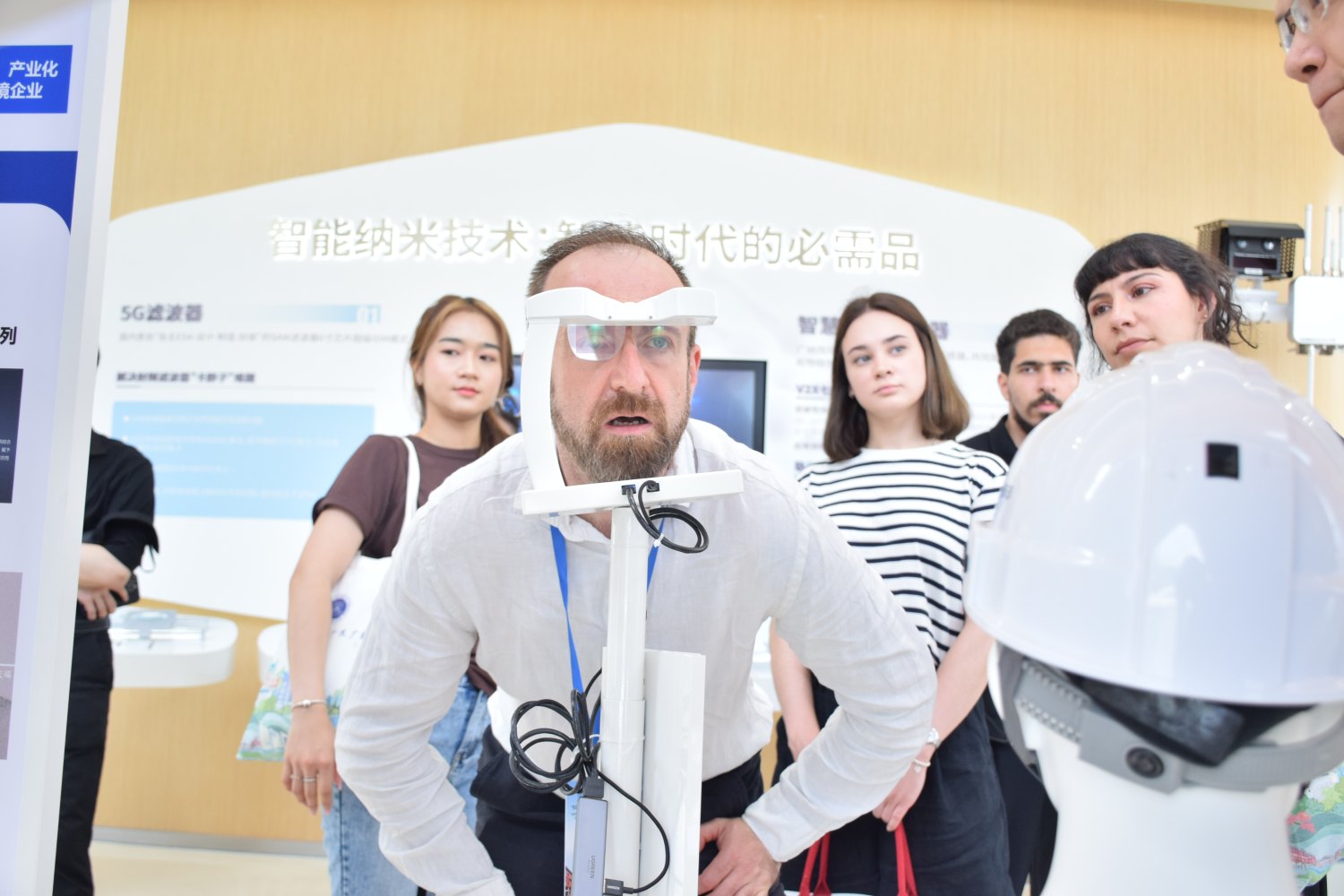
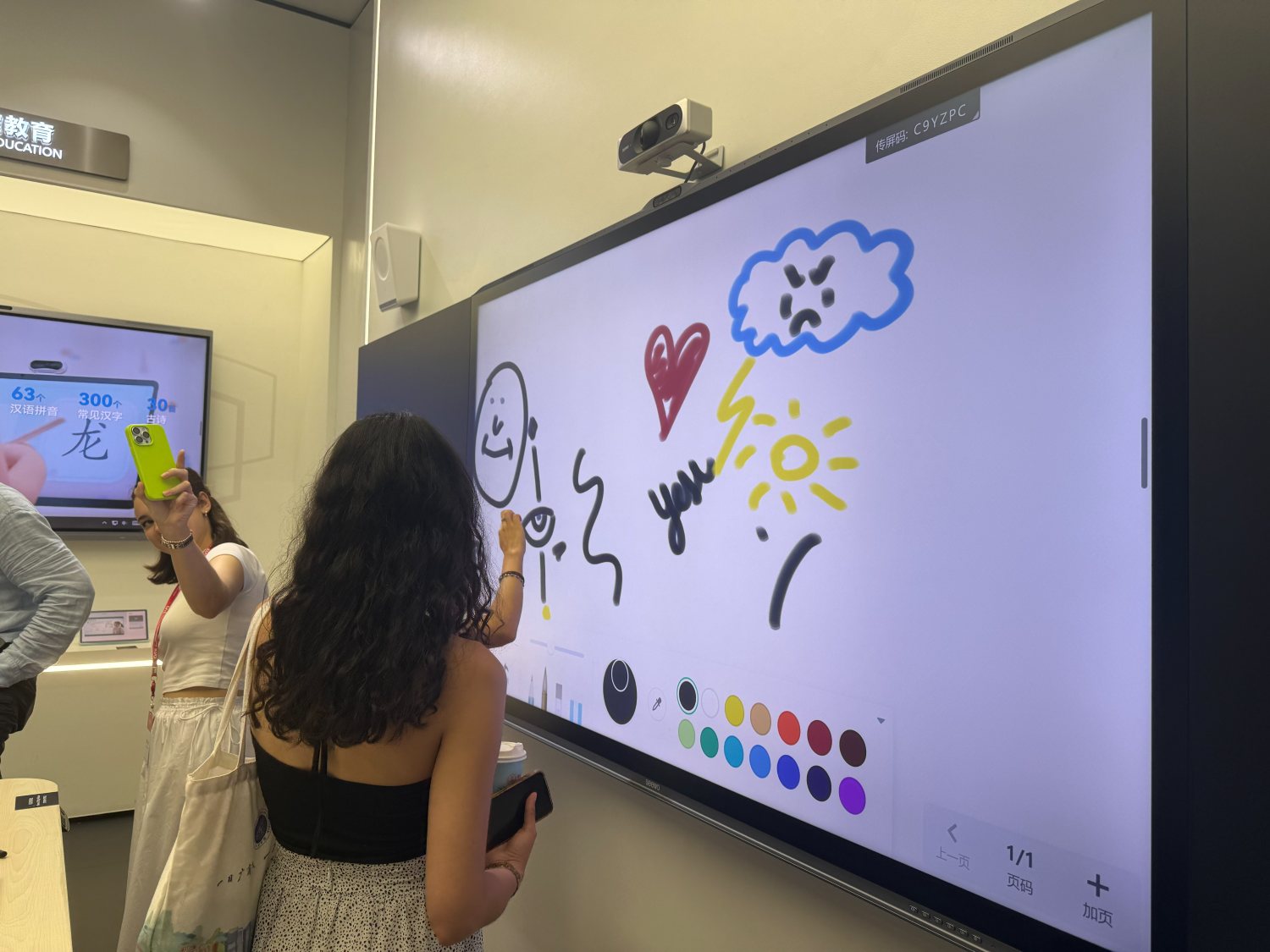
The enterprise visits gave all of this a scale I had not pictured. At the Greater Bay Area nanotechnology institute we saw research being pushed deliberately toward application, and at CVTE we tried the interactive displays that end up in classrooms and offices around the world. The main working language was English, but I picked up more Mandarin than I expected, mostly the words you actually need: thank you, how much, this one please.

Inside the cross border live commerce studio
Programming an obstacle avoiding robot with the team
A smart nanotechnology demonstration at the institute, under a sign reading intelligent nanotechnology
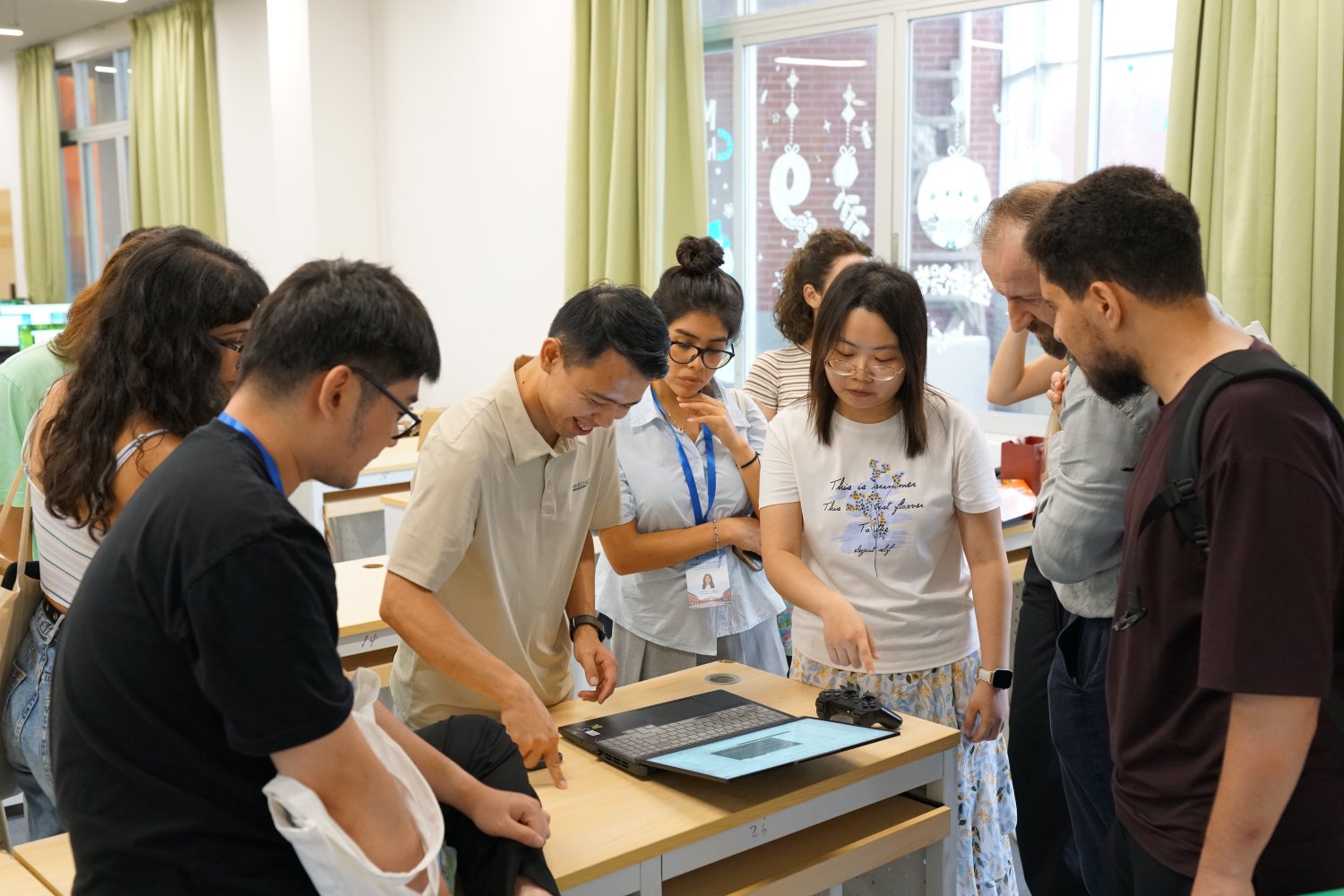
Trying the interactive smart displays at CVTE

The culture that came with it

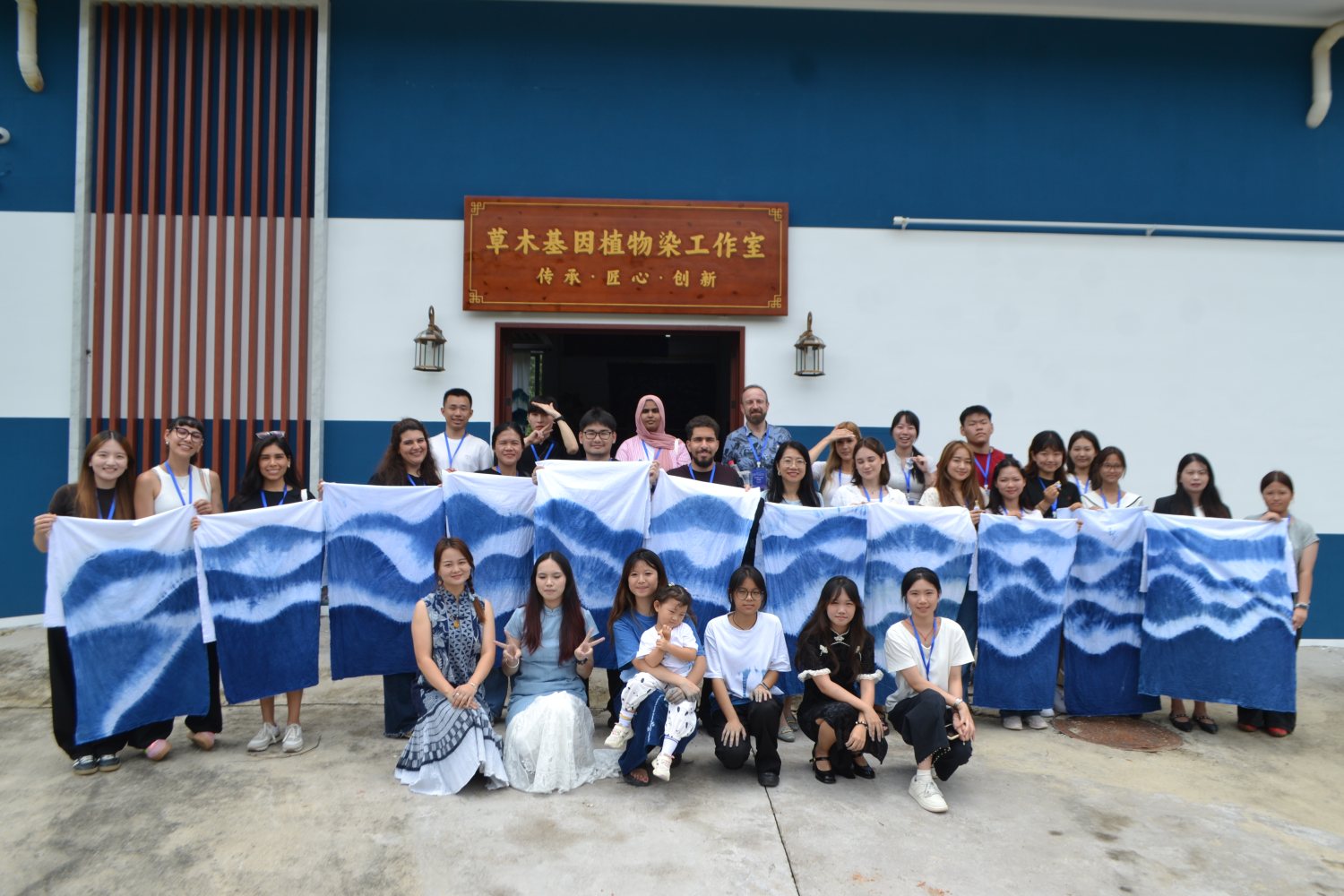
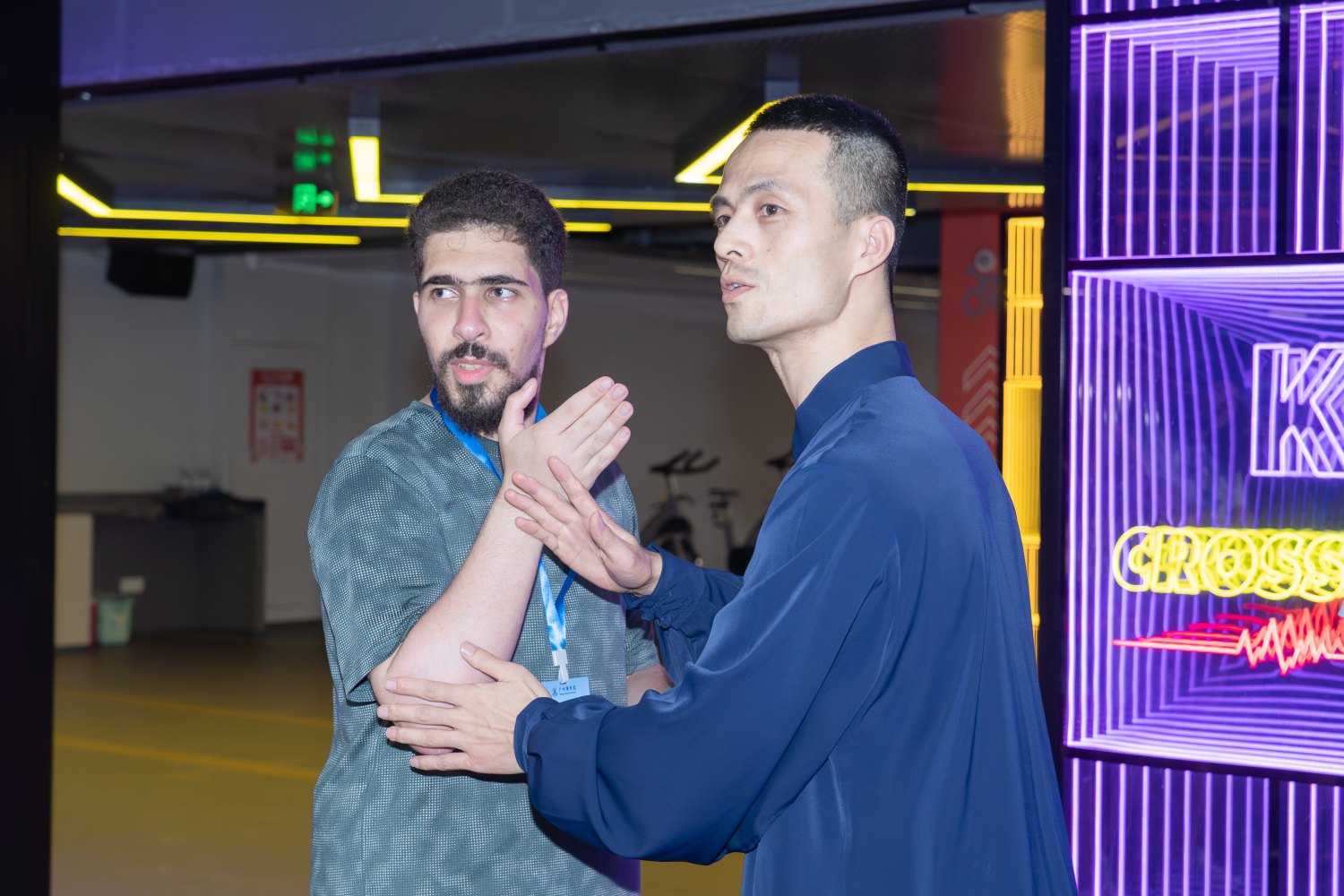
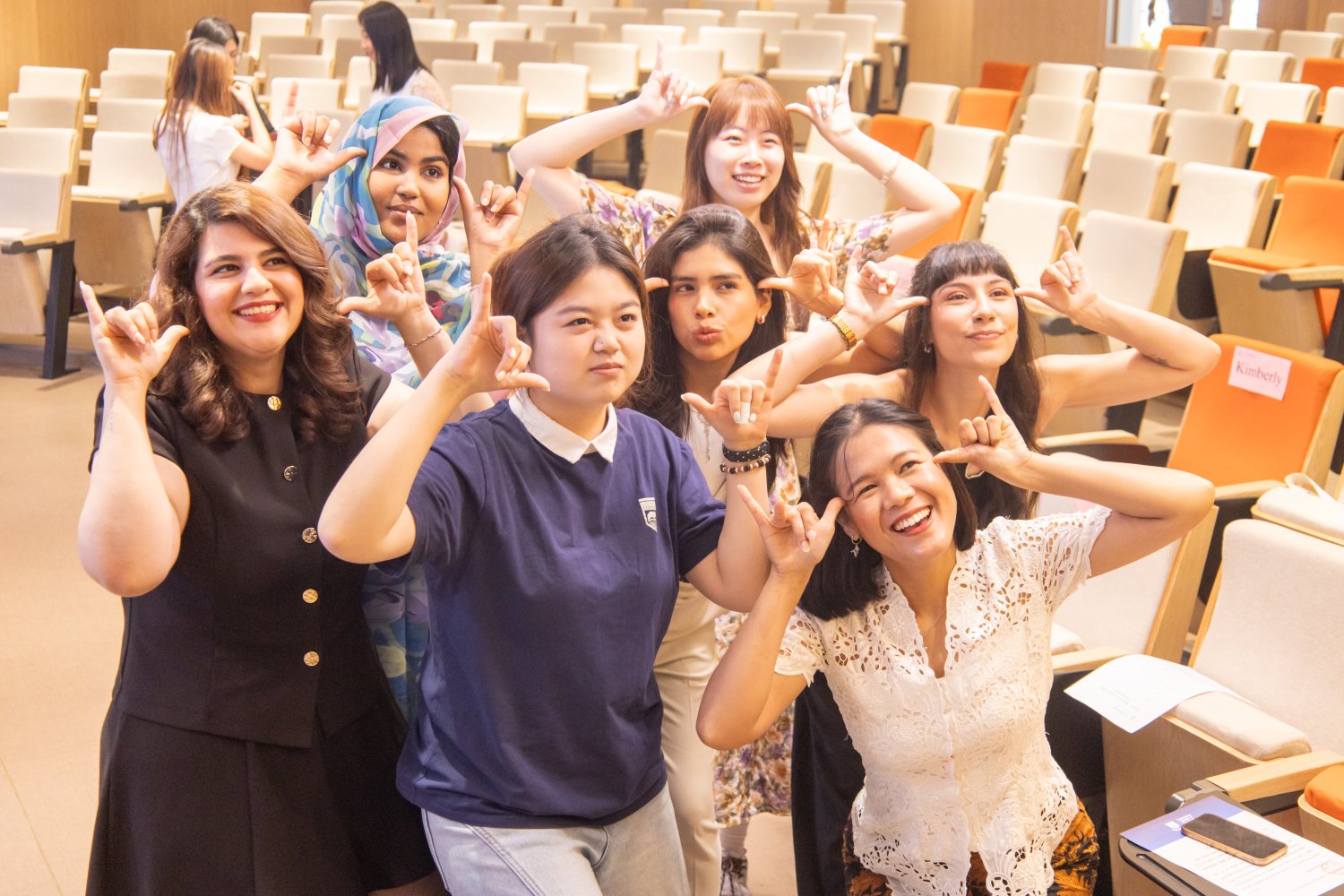
What kept the camp from becoming a pure technology tour was how deliberately culture was woven through it. We practised tai chi in the gym, where the instructor took hold of my arms and moved them into a position I could not find on my own, and I was reminded how badly I do anything that requires slowness. We learned the fundamentals of Chinese calligraphy, which was humbling in the best way, because holding the brush correctly turns out to be most of the skill. We dyed indigo batik by hand and hung the finished cloth out to dry, then held it up together for a photograph I still like more than any other from the trip.

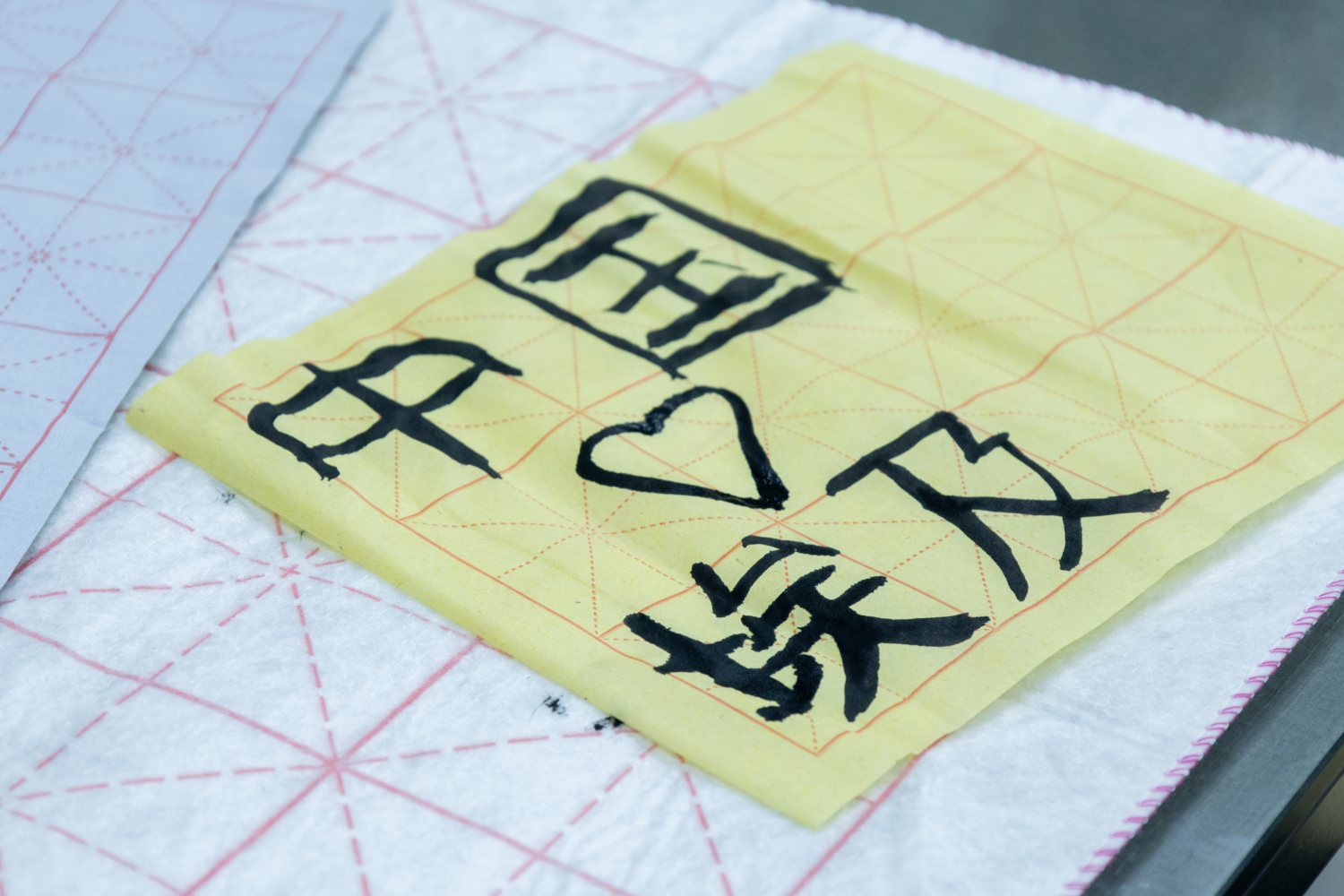
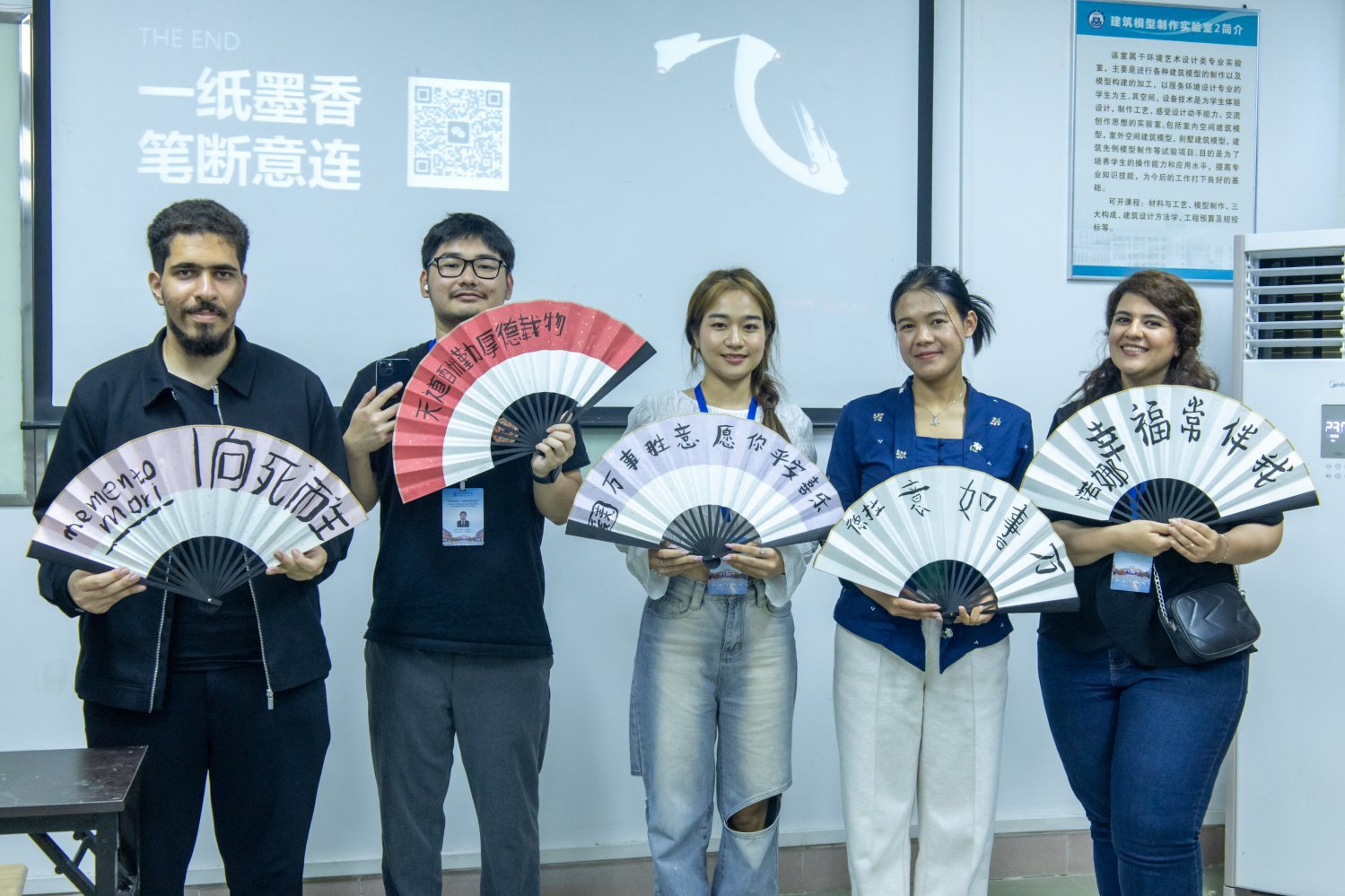
On my own fan I wrote memento mori, and beside it the Chinese phrase 向死而生, living in the face of death. A Latin phrase and a Chinese one, in my handwriting, in a Guangzhou classroom. There is another sheet from that class that reads China and Egypt together. Two of the oldest continuous civilisations on earth, side by side in wet ink, written by students who could barely pronounce each other's languages. I do not think anything else from those two weeks summarises the experience as neatly.

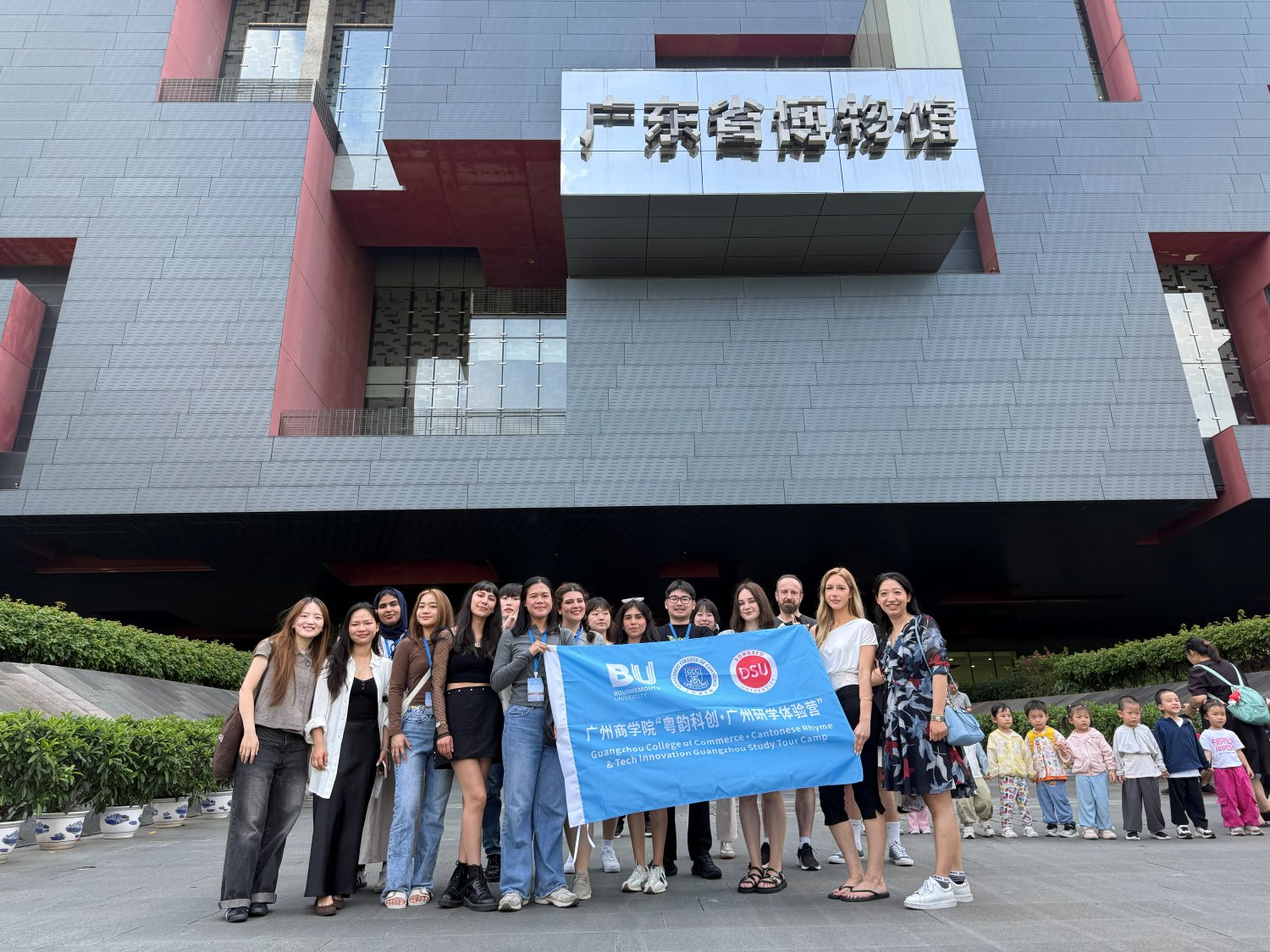
We also spent a day across the city at the Guangdong Museum, Canton Tower and the restored lanes of Yongqing Fang. Seeing century old arcade houses a short ride from a nanotechnology institute made the point better than any lecture could. Nothing there treats heritage and innovation as opposites.

China and Egypt, side by side in ink, from the calligraphy class
Holding up the indigo batik we dyed by hand
The tai chi instructor moving my arms into a posture I could not find alone
Our finished calligraphy fans. Mine reads memento mori, and 向死而生 beside it
Outside the Guangdong Museum

What changed in me

Before this trip, my understanding of technology in East Asia was assembled from papers, articles and other people's conclusions. That is a fragile way to know anything. Two weeks does not make me an expert, but it replaced an abstraction with a place, and it made me much more careful about the confident claims people make about markets they have never visited.

I also learned something about my own defaults. I am direct. I like getting to the point. Working in mixed teams with Chinese and Korean students showed me that directness is a style, not a virtue, and that a slower route through agreement often produces a better result. That is an uncomfortable thing to notice about yourself and probably the most useful thing I brought home.

Professionally, the effect was clarifying. Human centred AI is easy to say and hard to practise, and it means little if your idea of the human is limited to people who share your assumptions. I finished the camp more confident that I want to work internationally, and more convinced that the interesting problems in my field sit exactly where technical systems meet cultural difference.

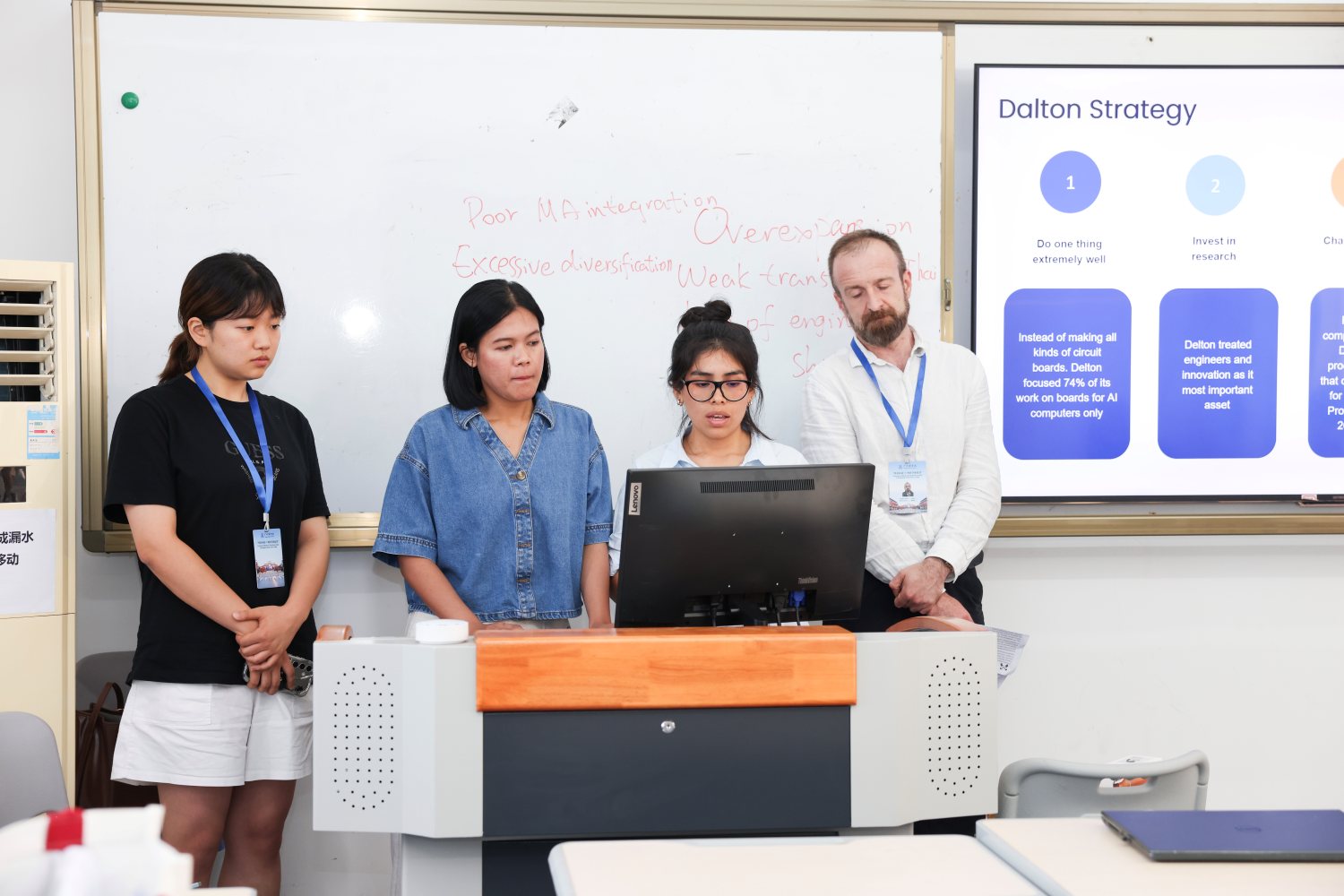
Presenting a market entry case with an international team

The website you are reading

My greatest achievement from this experience is not a certificate. It is this site. When we came home, the trip existed in fourteen separate camera rolls and nobody outside the group could see any of it. So together with Danni I built Thank You Guangzhou: a bilingual place to collect the whole camp, day by day, and to give every one of us a page for our own account of it.

Building it turned out to be the most honest piece of coursework I have ever done. It is in English and Chinese because the people it thanks read Chinese. Every page had to work for someone reading on a phone in Guangzhou and someone reading on a laptop in Bournemouth. That is a human centred design brief, and I got to write it for people I actually know.

If you are a Bournemouth student reading this because you are considering something similar, that is exactly why the site exists.

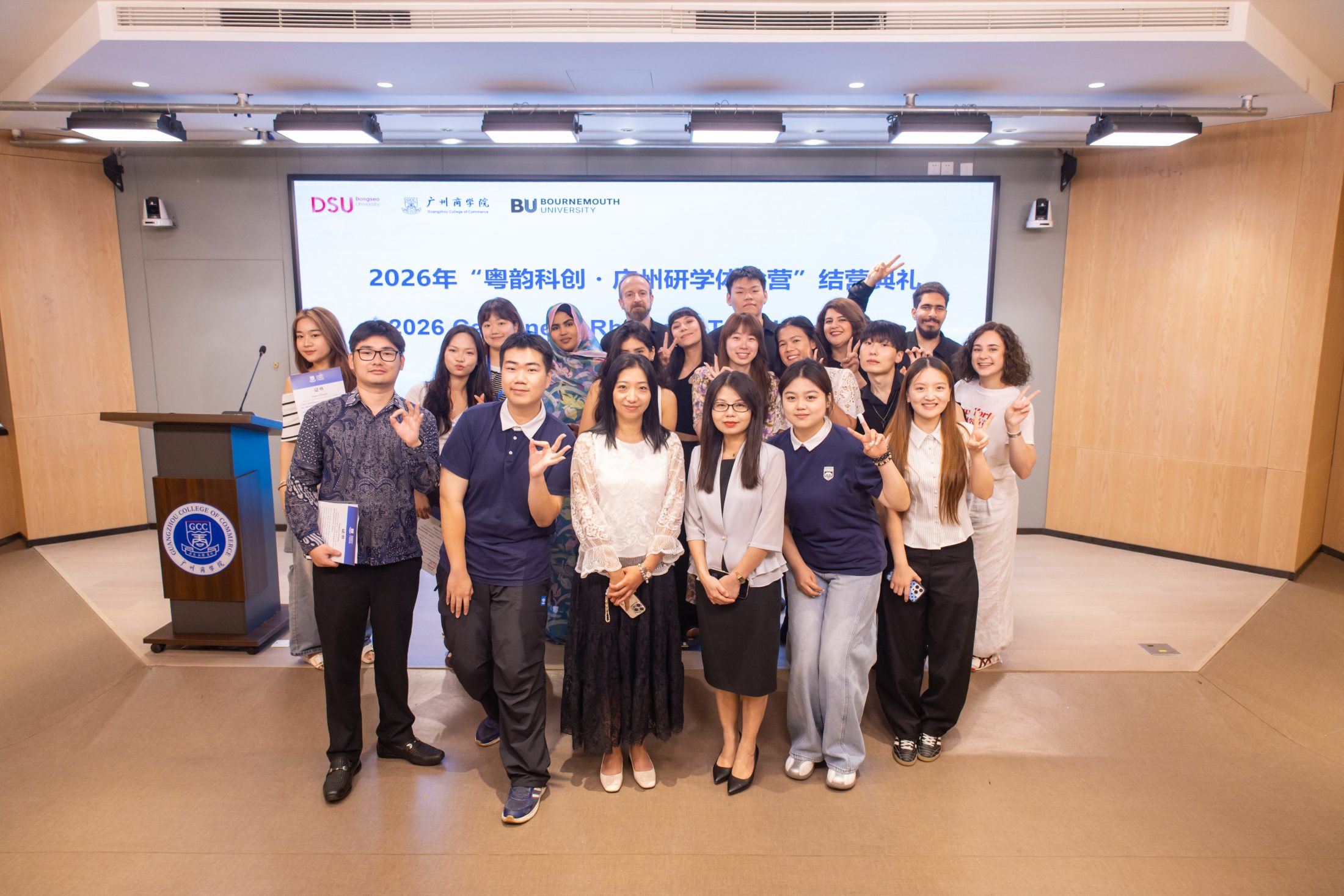
The whole cohort at the closing ceremony on 3 July

Advice, and whether I would recommend it

If I could speak to myself on the first morning, I would say: stop trying to understand everything on day one. Ask the obvious question. Let the volunteer help you, because letting someone help is how the friendship starts. And take the photograph, because two weeks compresses in memory faster than you expect.

To anyone weighing up a traineeship abroad: the discomfort you are imagining is real, and it is also the entire point. The heat, the language, the unfamiliar systems, none of that is a reason to stay home. Those are the parts that actually change you, and the Turing Scheme exists precisely so that cost is not the thing standing in your way.

Would I recommend it? I built an entire website so that the answer would be obvious. Thank you, Guangzhou.

After the certificates, on the last day

Back to everyone