What Guangzhou taught me about culture, technology and marketing
From Tai Chi and calligraphy to AI marketing and cancer-related research, my Turing Scheme-supported study tour showed me why understanding people is at the heart of marketing.
By Della Novita Fauziah • MSc Marketing Management, Bournemouth University
Guangzhou, China • 21 June–6 July 2026
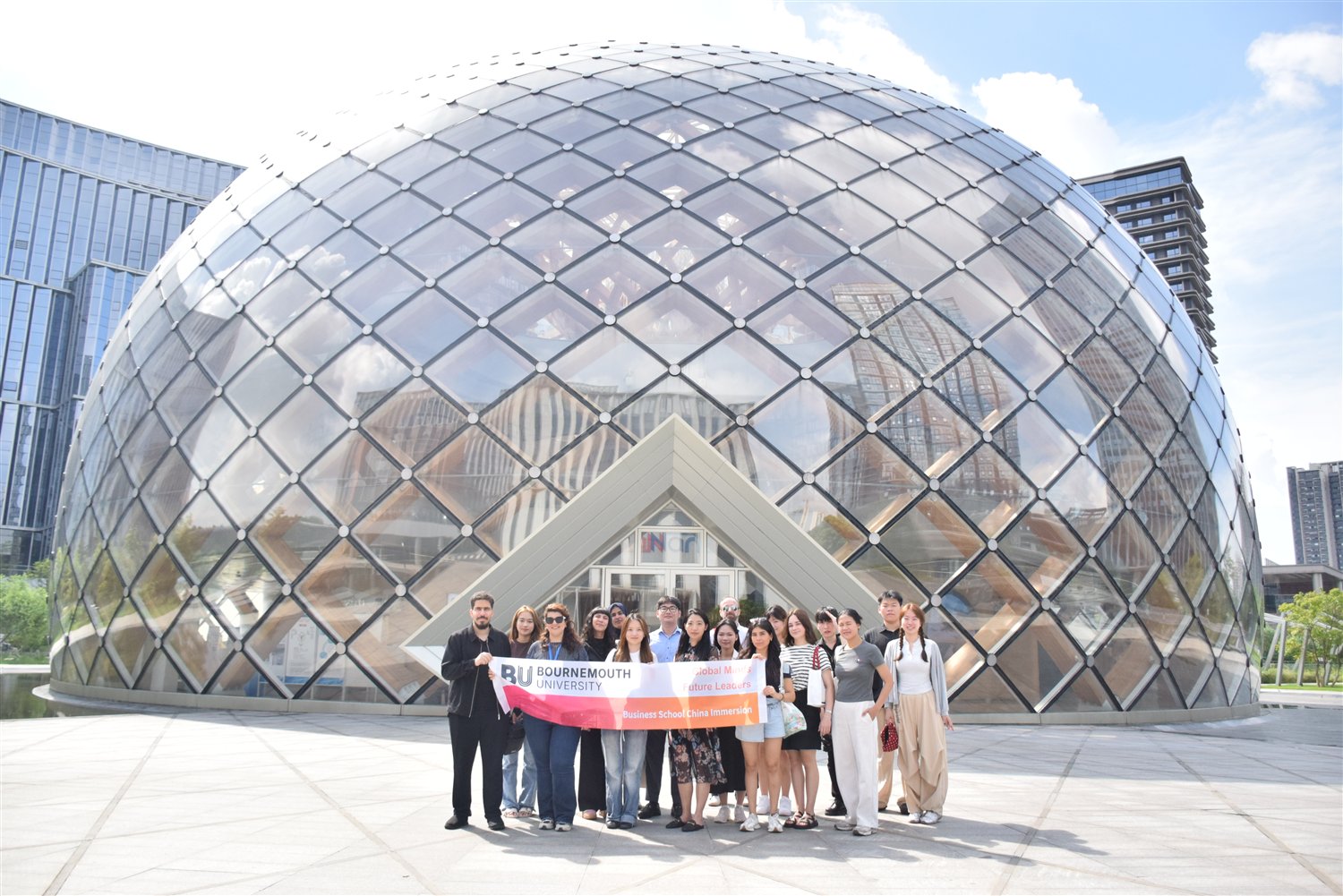
Our group with the banner outside the glass dome of the nanotechnology institute.
Why I said yes
I am an Indonesian student studying MSc Marketing Management at Bournemouth University (BU). I chose BU because I wanted to deepen my understanding of marketing in an international environment, and I especially value opportunities that connect academic learning with practical experience. When Dr Danni Liang, one of my professors at BU, introduced the Cantonese Rhyme & Tech Innovation Guangzhou Study Tour Camp at Guangzhou College of Commerce, I was immediately curious.
China felt like the ideal place to explore a new culture while learning about a fast-moving, highly digital market. I wanted to see how technology shapes everyday life and how marketing needs change from one country to another. I was also looking for personal growth, new friendships, stronger career skills and the excitement of discovering somewhere new. In other words, I was going for all of it. I arrived with an open mind, but the range of cultural and academic experiences still went beyond my expectations.
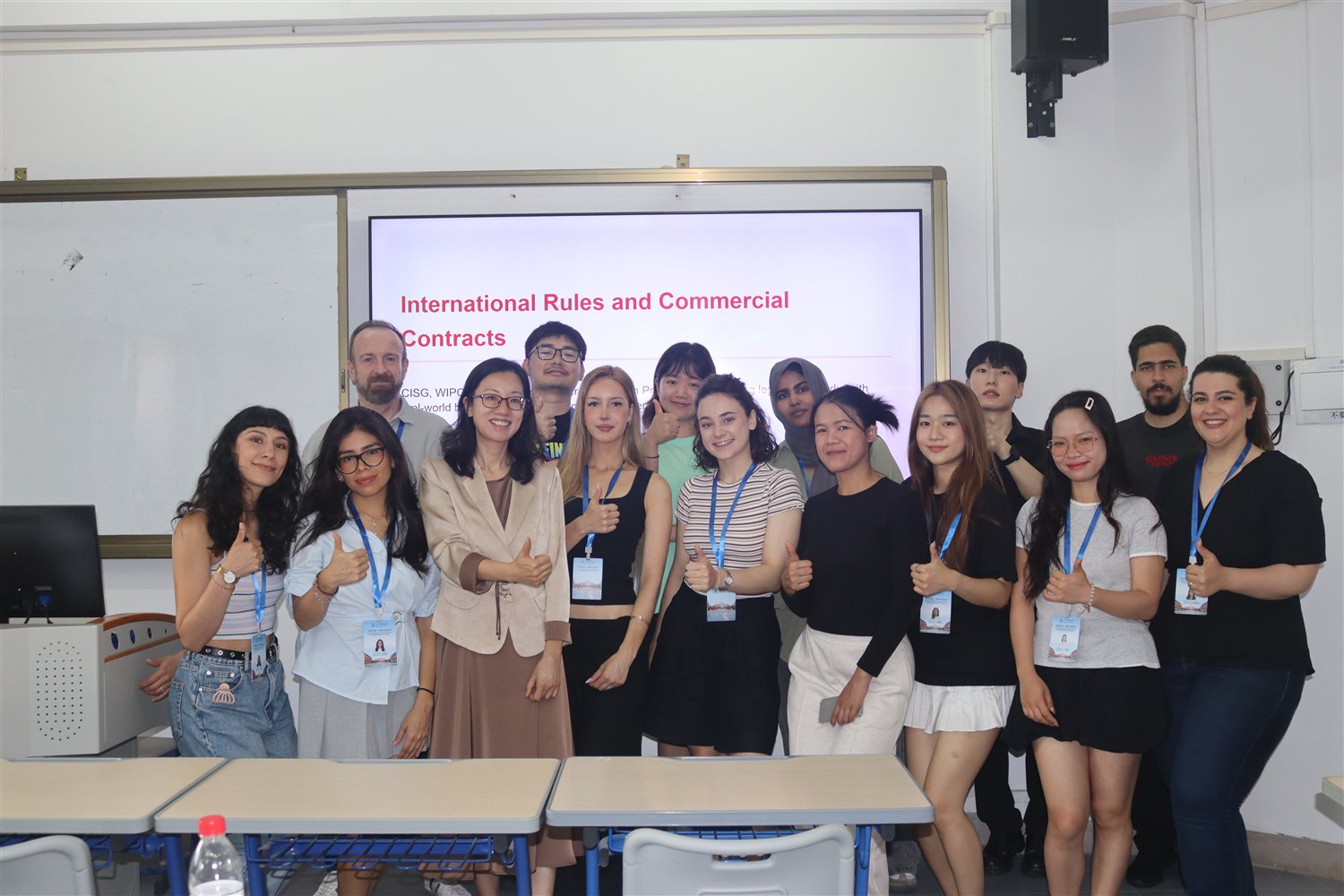
The class together in front of a slide on international rules and commercial contracts.
The support that made the journey possible
I received Turing Scheme funding through BU, and the application process was straightforward. University staff guided us through it, while the other students on the trip were always willing to help when someone had a question. That shared support made the preparation feel much less intimidating.
More importantly, the funding genuinely made this experience possible for me. It helped cover my flights, visa costs and daily food allowance. International opportunities can sound exciting but still feel financially out of reach; the Turing Scheme turned this one from an idea into something I could actually do.
First impressions: heat, food and a very welcome air conditioner
I arrived in Guangzhou feeling excited and open to whatever came next. My first impression was simple: it was hot, very hot. The weather felt much more intense than in the UK, so the air conditioning in our hotel quickly became one of the differences I appreciated most. The food was another immediate highlight. I enjoyed the meals throughout the trip, and trying different dishes became part of experiencing the culture rather than just something between activities.
Language was the biggest practical difference. I could not always communicate directly with local people, but this became part of the learning. I relied on translation technology more than I ever had before, and the Chinese students were incredibly helpful whenever an app was not enough. Their patience made everyday interactions easier and reminded me that good intercultural communication depends on people as much as technology.
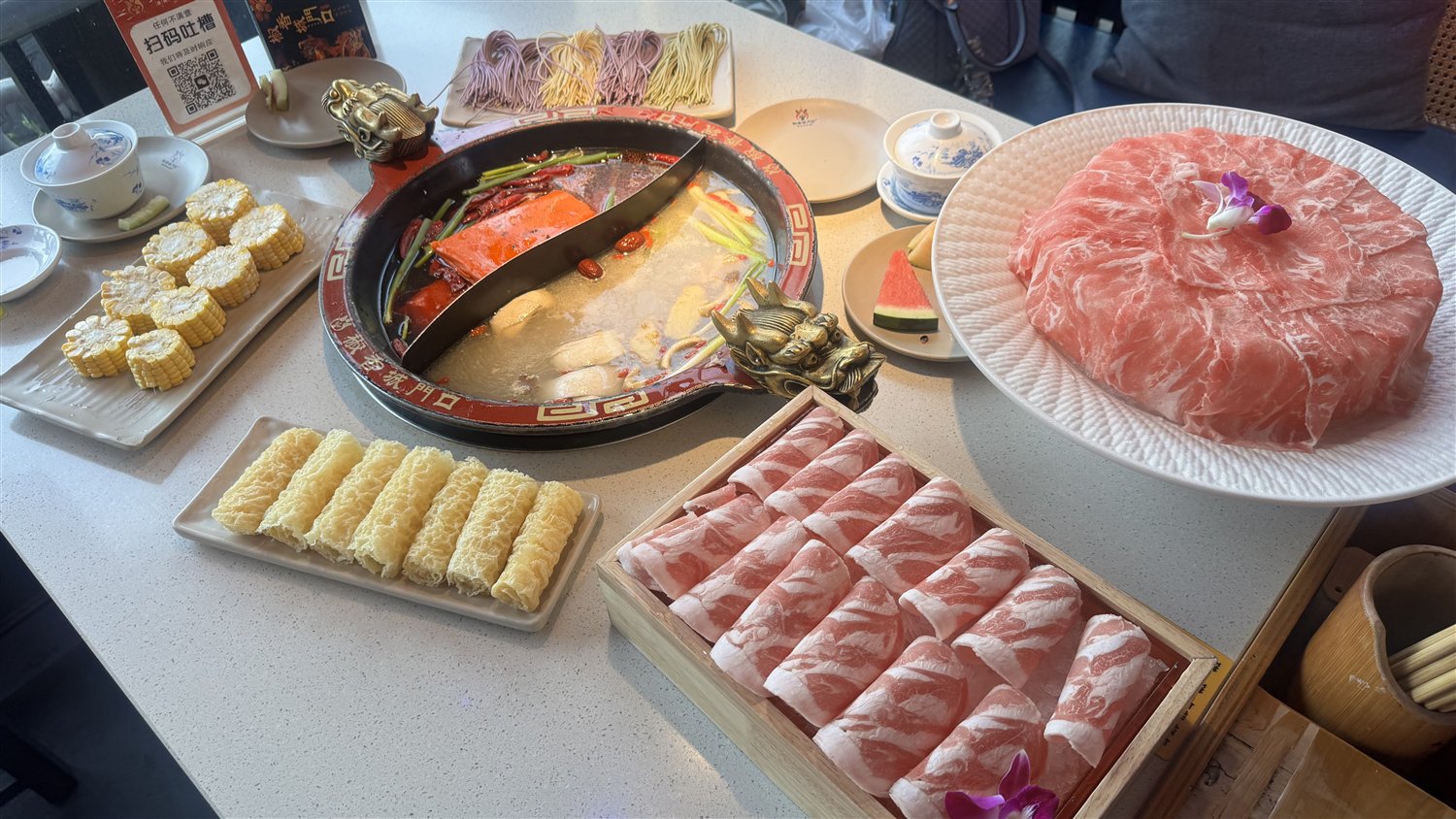
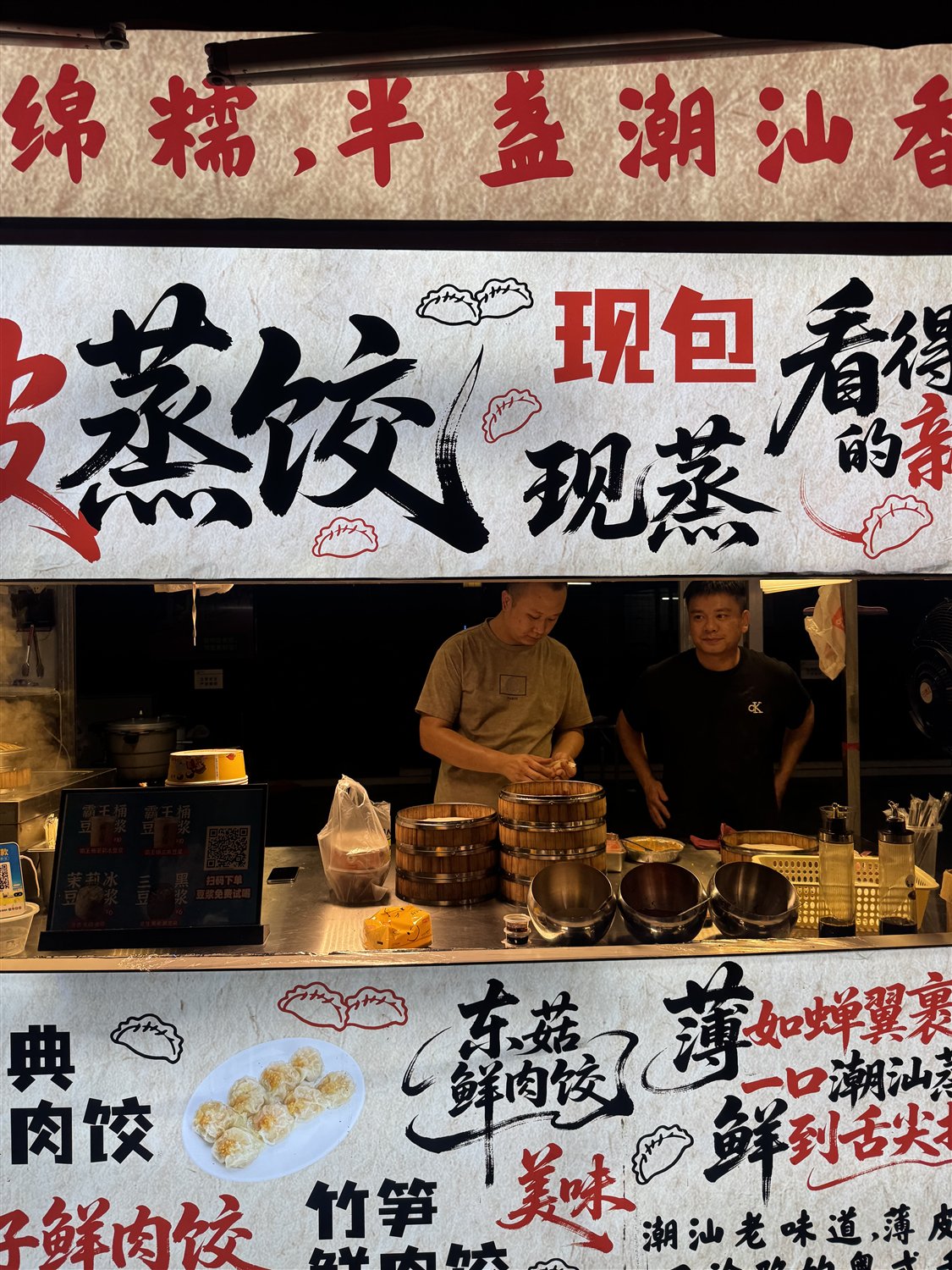
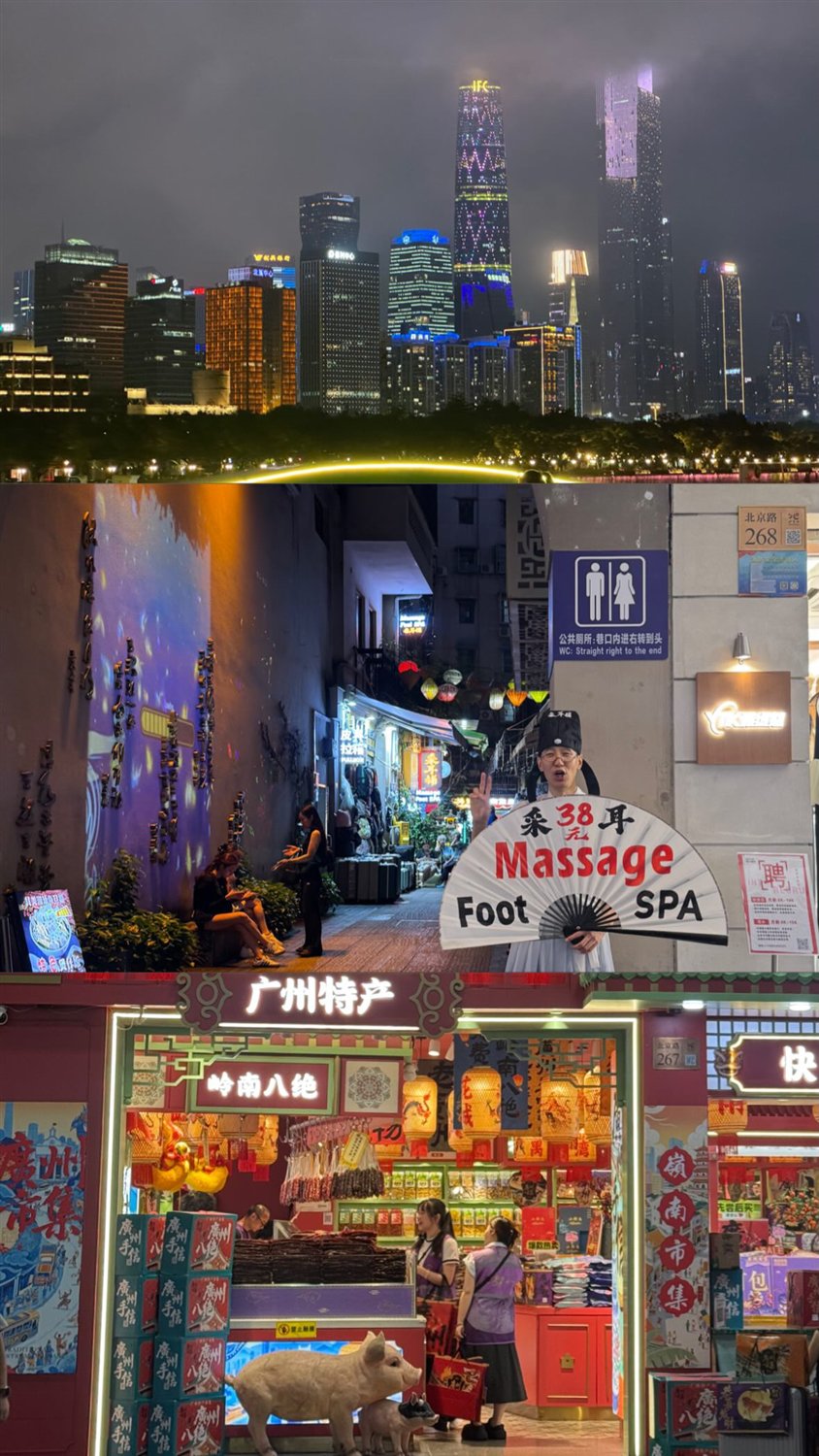
A hotpot spread laid out and ready on the table.A street stall steaming fresh dumplings.A Guangzhou street glowing with signs after dark.
Where tradition and technology met
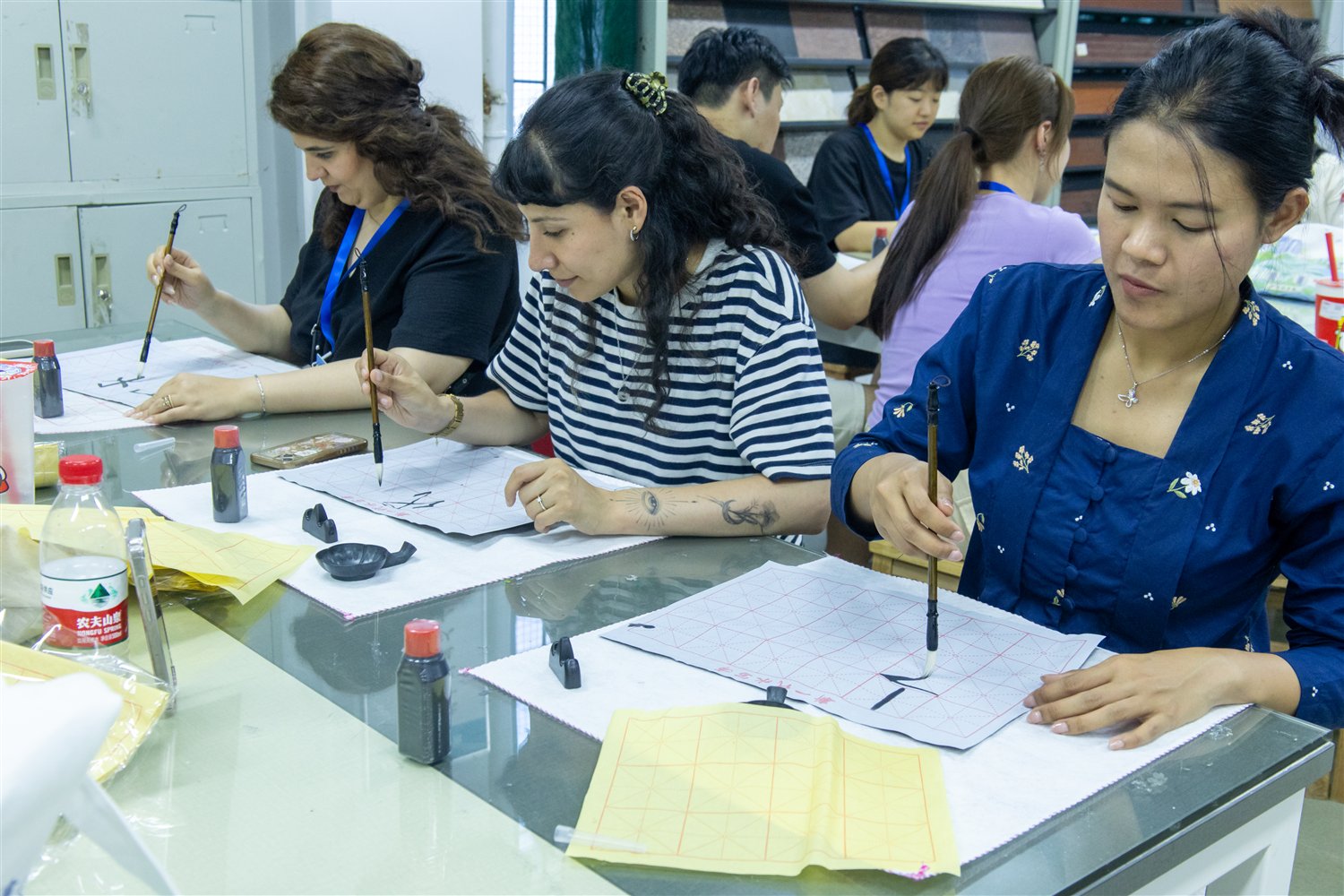
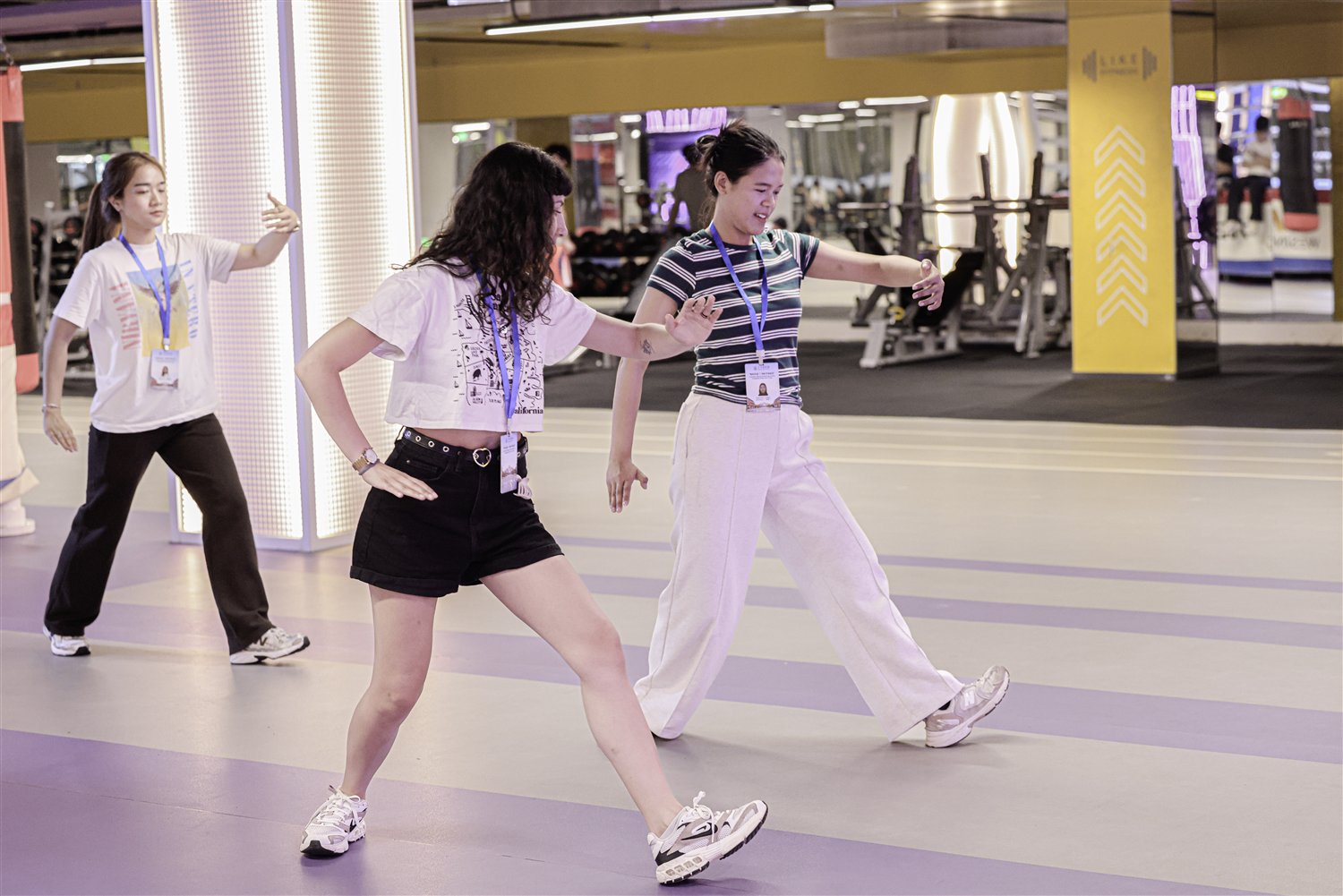
The programme moved constantly between cultural heritage and technological innovation. We tried Tai Chi, Chinese calligraphy and batik craft, and we explored places including the Guangdong Museum, Canton Tower and Yongqing Fang. These activities helped me experience Chinese culture through movement, design, history and daily life, not only through lectures.
At the same time, we learned about innovation in areas ranging from household technology to healthcare. The contrast was one of my favourite parts of the experience: one day I could be holding a calligraphy brush, and the next I could be discussing AI marketing, intelligent robots or the commercial potential of scientific research. Rather than feeling disconnected, tradition and innovation seemed to sit naturally beside each other.
Practising Chinese calligraphy with brush and ink.A Tai Chi session in the gym.
The visit that stayed with me
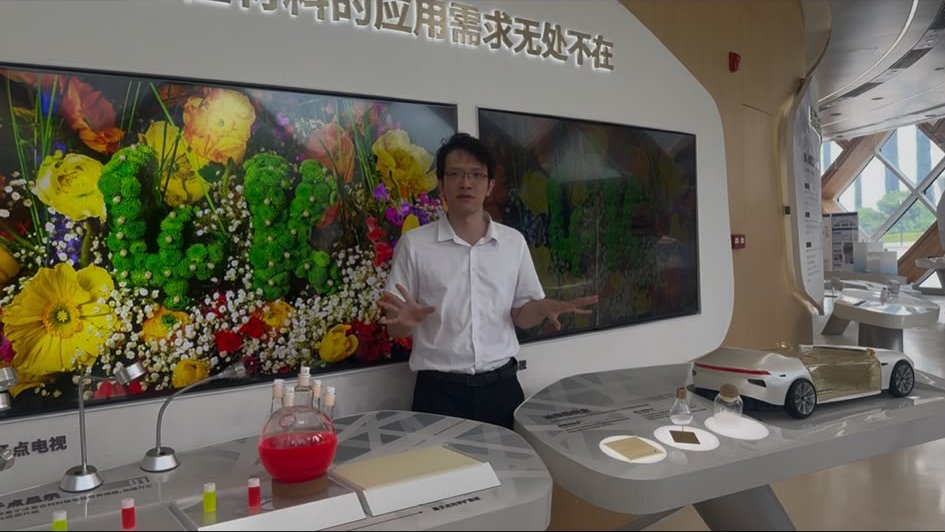
The most memorable experience for me was our enterprise visit to the International Nanotechnology Innovation Research Institute. I was amazed by the scale and range of the research taking place. One of the examples that stayed with me involved current cancer-related research, but what fascinated me just as much was the system around the science. The centre was not only producing knowledge; it was helping connect scientists with investors so that research could move towards practical, real-world applications.
That visit changed how I thought about innovation. A powerful discovery does not automatically reach the people who need it. It also requires funding, communication, market understanding and collaboration between people who may speak very different professional languages. This was where my marketing studies felt especially relevant: marketing is not simply promotion at the end of a process. It can help translate value, understand needs and connect an idea with the right audience.
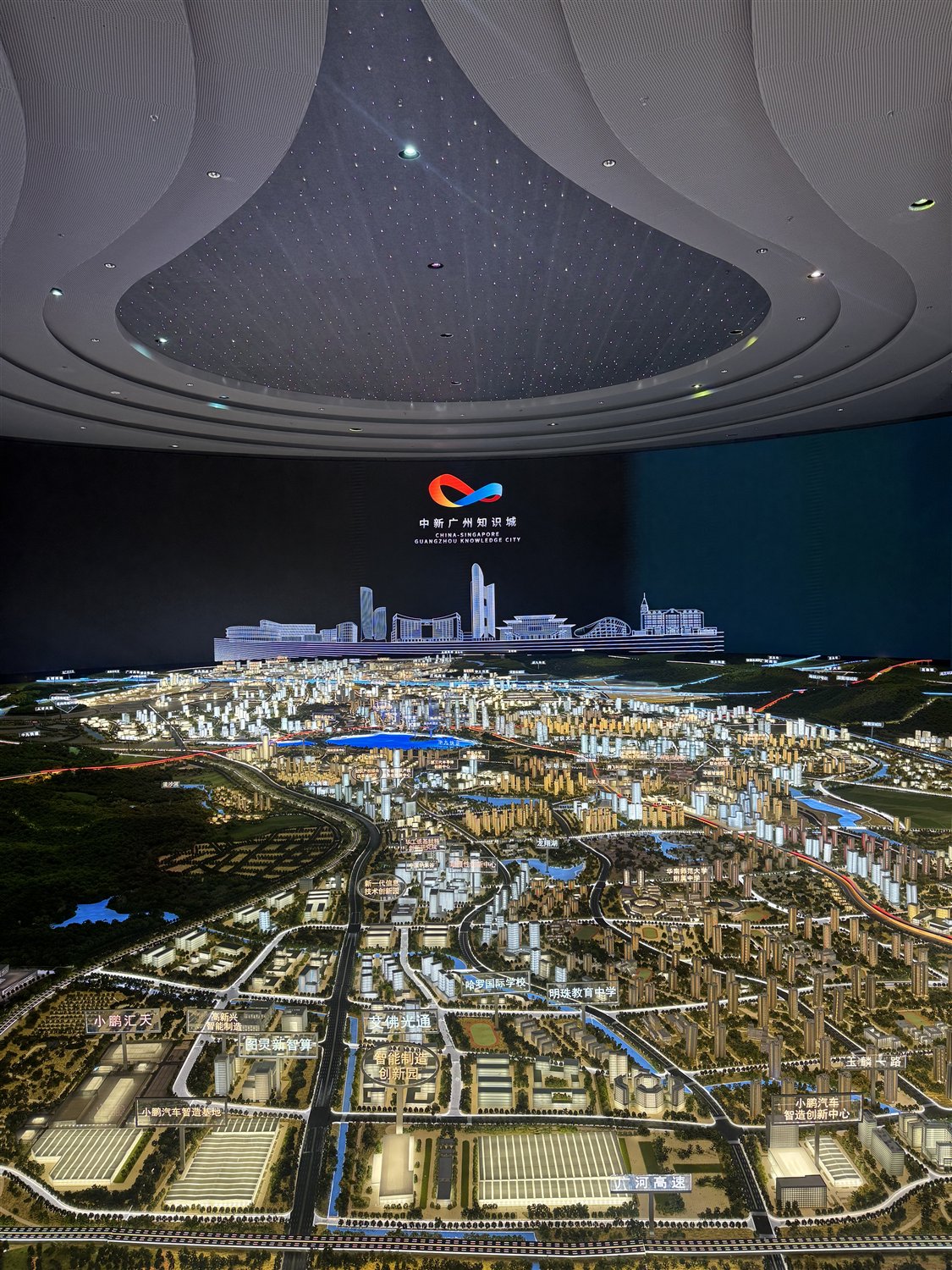
A guide presenting a smart-materials exhibit at the nanotechnology institute.A huge illuminated model of the city at a planning exhibition.
Marketing is never one-size-fits-all
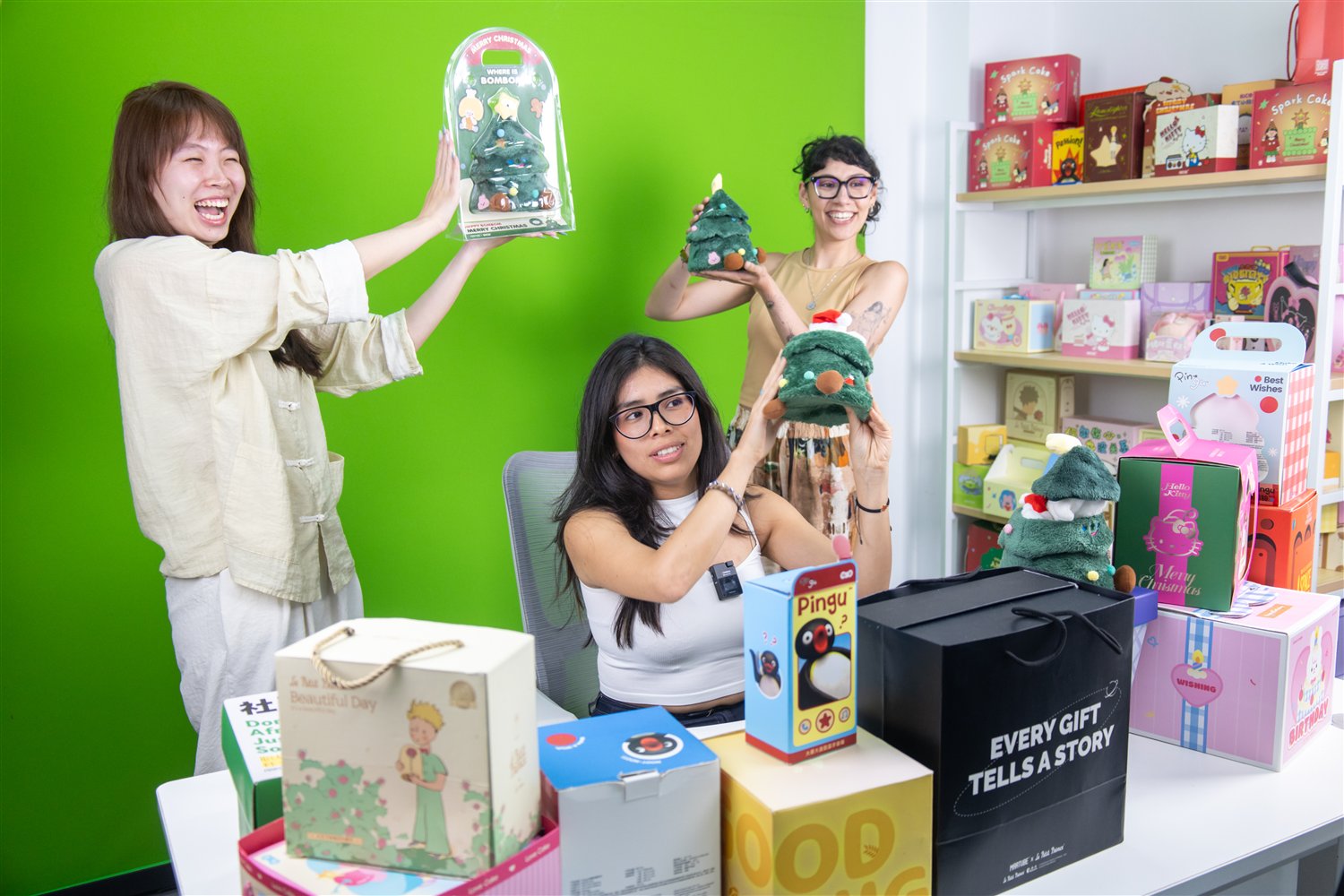
Our academic sessions included cross-border e-commerce live streaming, AI marketing and brand visual design, modern business regulations, simulation and negotiation. Together, they showed me how differently marketing can operate across markets. China is highly connected and many everyday activities happen online, so digital platforms are deeply embedded in how consumers discover, evaluate and buy products. The marketing environment felt noticeably different from the UK.
This strengthened my interest in consumer behaviour. A strategy that works in the UK cannot simply be copied into China and expected to succeed. Consumers have different habits, cultural references, expectations and relationships with technology. Understanding those differences allows marketers to choose the communication style, platform and customer experience that actually fit the market. For me, this was one of the clearest links between academic theory and the real world.
The green-screen live-commerce studio, products lined up on the shelves.
From research to an international business idea
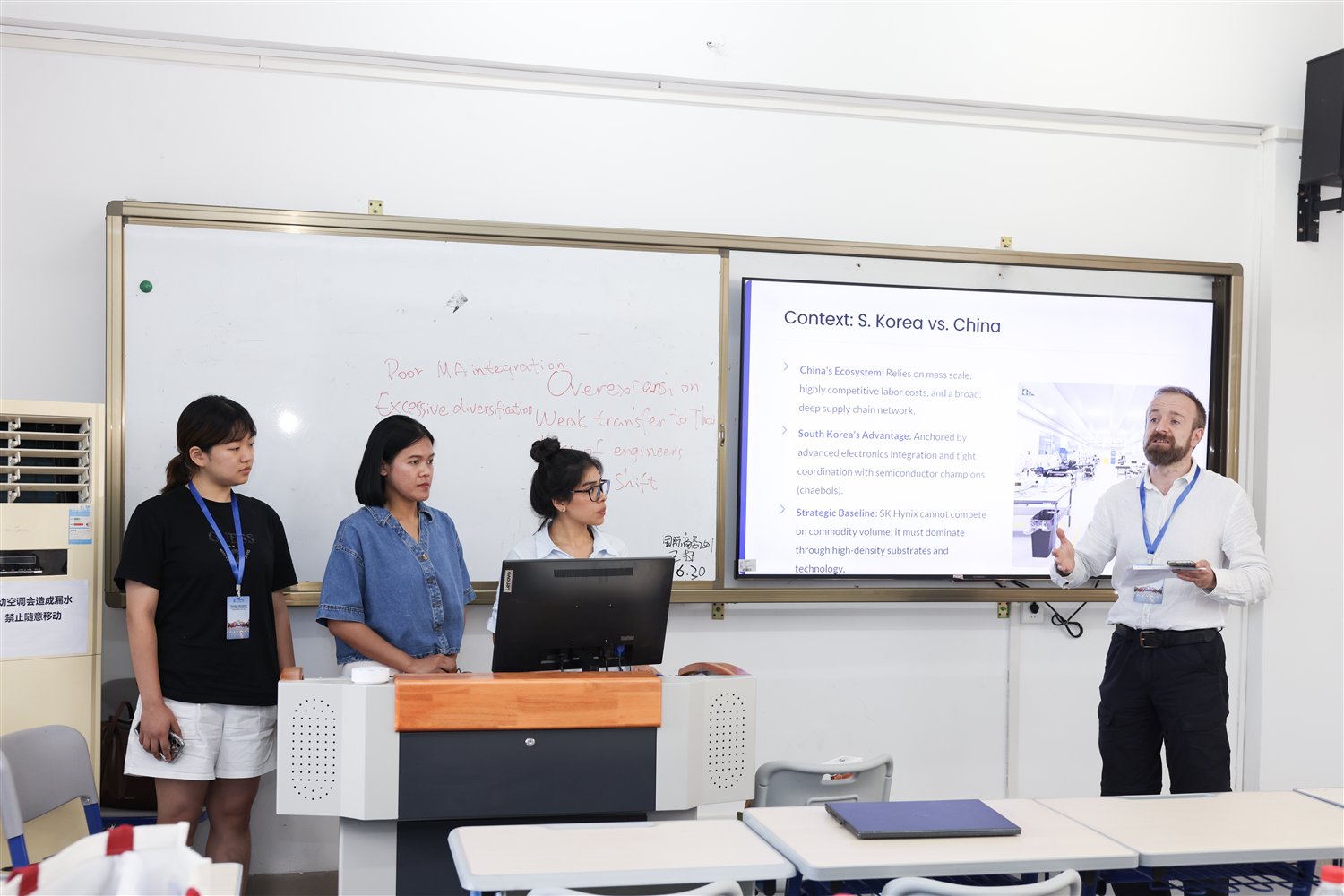
Near the end of the programme, we worked in groups on a business case and presented our ideas. We discussed how an ideal business could develop from the research stage, attract investment, build its operations and eventually expand manufacturing beyond its home country. The task required us to connect innovation, finance, marketing, regulation and international growth instead of treating them as separate subjects.
Working with others also developed my teamwork, leadership, problem-solving and public-speaking skills. Because we brought different academic and cultural perspectives to the discussion, I had to listen carefully, explain my thinking clearly and stay flexible when the group took the idea in a direction I had not expected. That process made me more confident in intercultural situations and more comfortable contributing to an international team.
A team presenting their business case in class.
What I brought home
My greatest achievement was not one presentation, class or certificate. It was allowing myself to be fully present in an unfamiliar environment and coming home with a wider view of the world. I developed my adaptability, confidence, communication, networking and cultural awareness, but I also became more humble. Living and learning somewhere new makes you realise that your usual way of doing things is only one possibility among many.
The experience also made me more certain that I want to keep exploring consumer behaviour. I am interested in how culture and technology influence decisions, and Guangzhou gave me a living example of why those differences matter. It increased my motivation to pursue a career with a global outlook and gave me more confidence that I can work with people from different backgrounds.
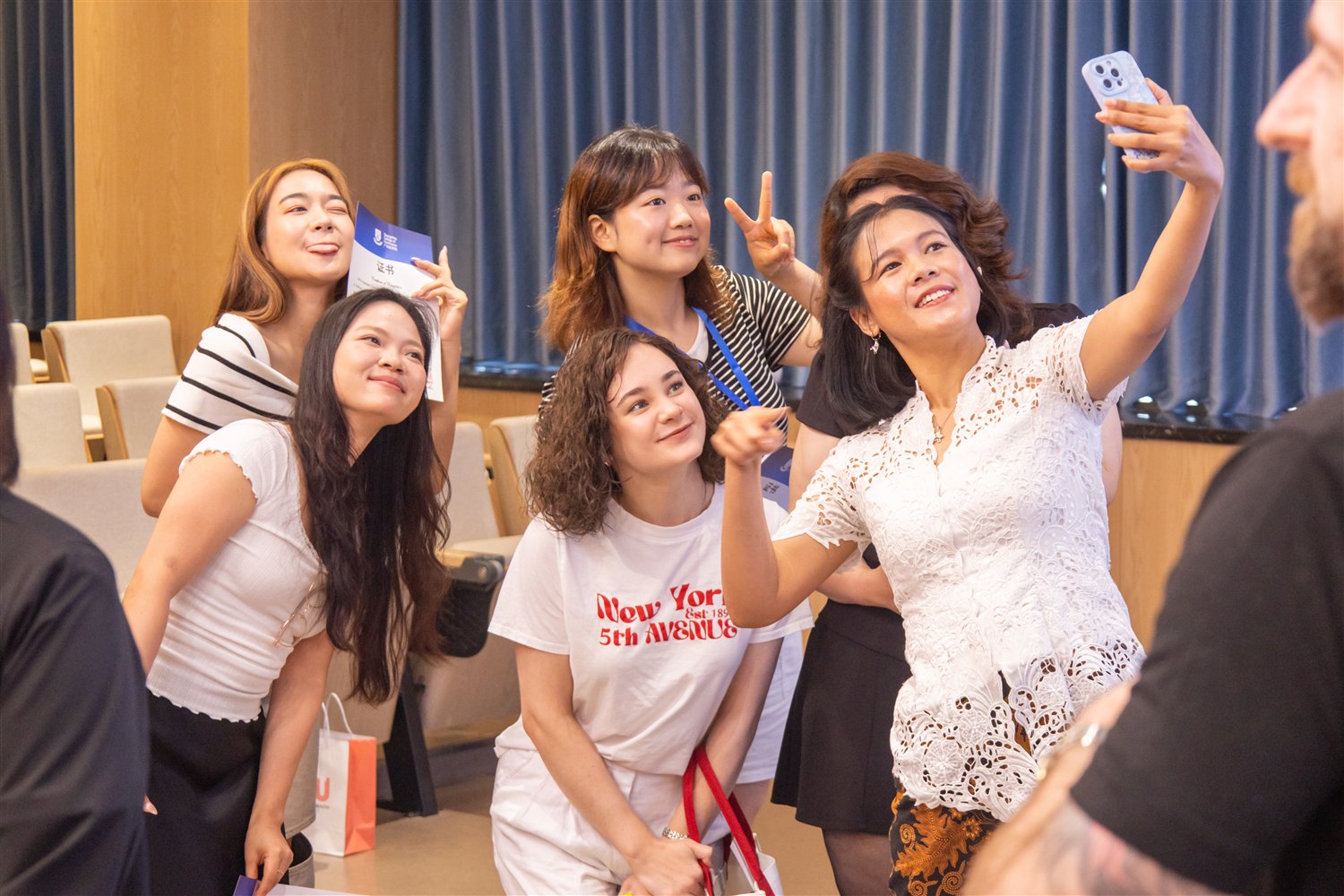
Friends laughing together for a group photo.
My advice: take the opportunity
If I could speak to myself before the trip, I would say: arrive curious, do not worry about understanding everything immediately, and be willing to ask for help. The heat, the language barrier and the unfamiliar routines are not reasons to hold back; they become part of the story you will later be grateful to have.
To any student considering working, volunteering or studying abroad, my advice is simple: if you have the opportunity, take it. Experiencing another culture can make you more humble and open your eyes to how much more there is to learn about the world. I would absolutely recommend an experience like this. The knowledge, relationships and confidence you gain are genuinely priceless, and the Turing Scheme can make that opportunity possible.
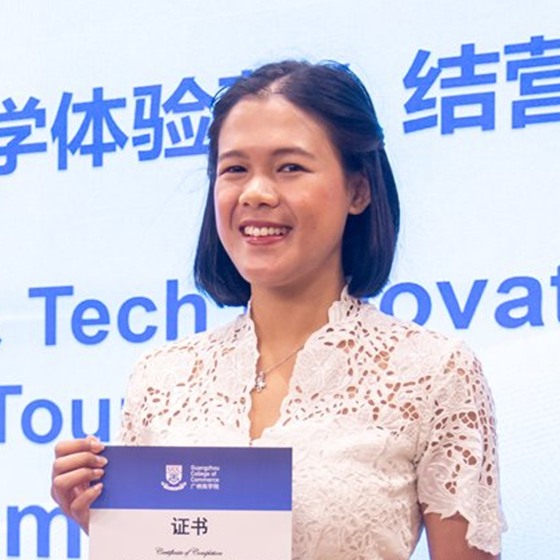
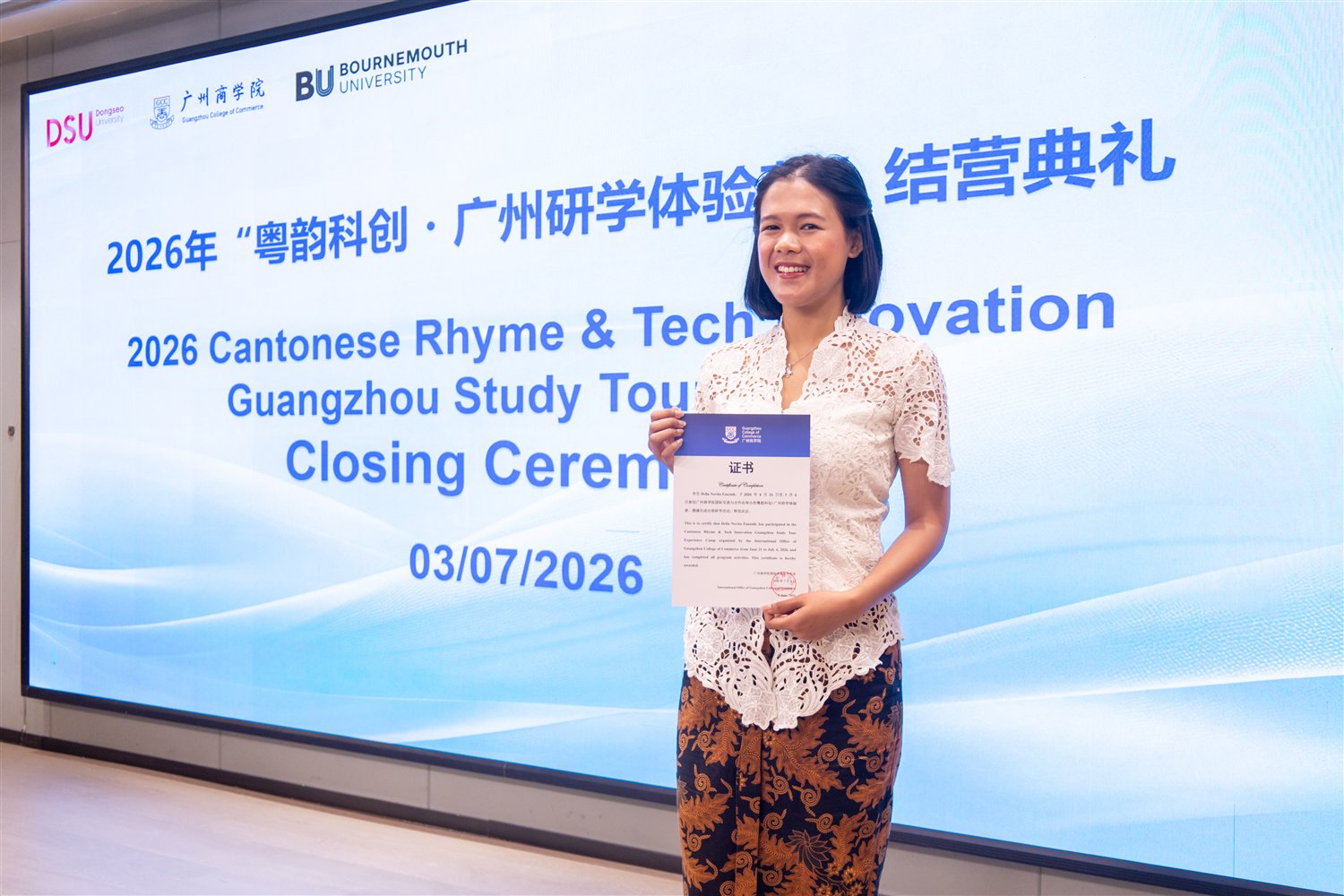
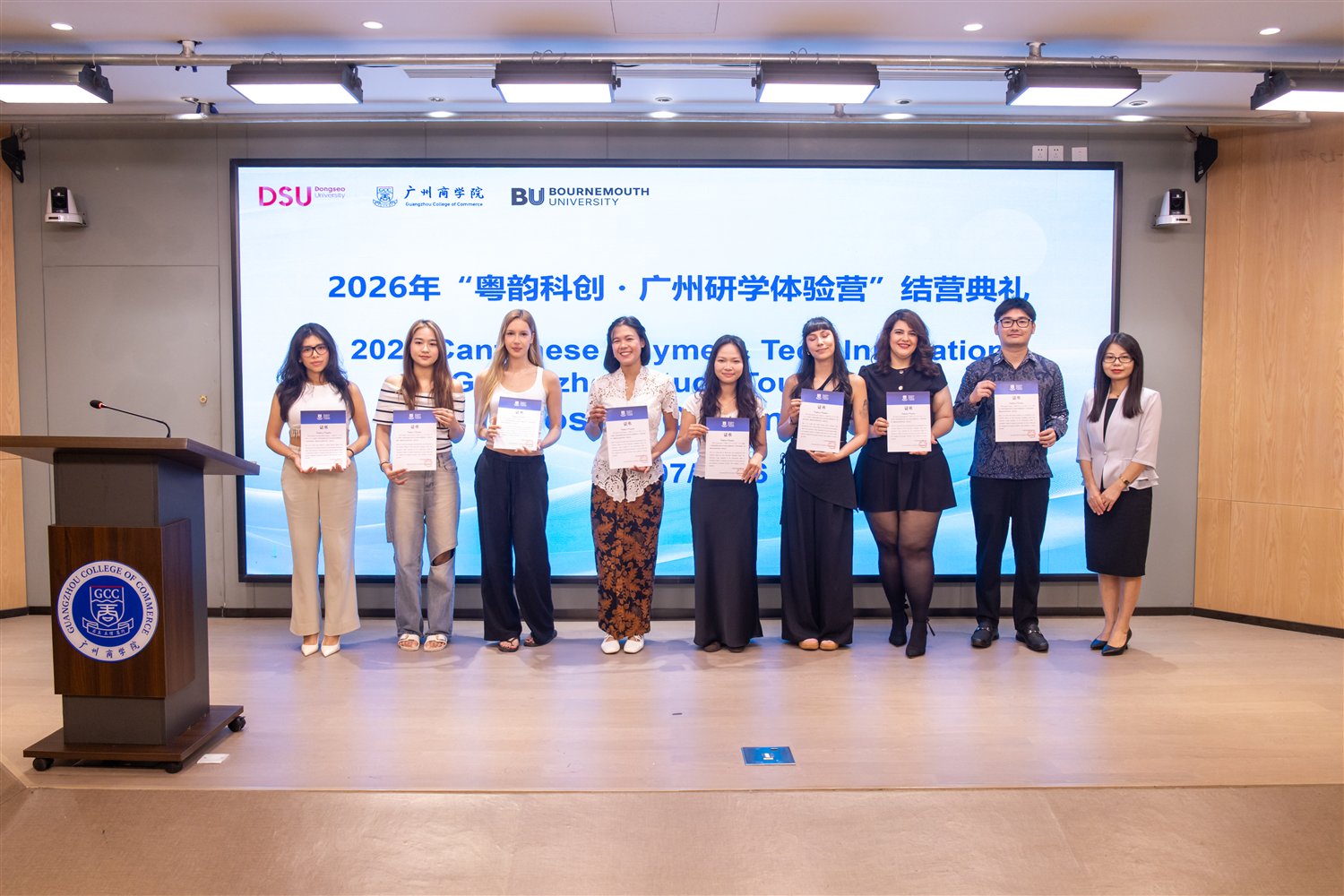
On stage with a certificate at the closing ceremony.The whole group on stage with their certificates.