The China nobody told me about: two weeks in Guangzhou
There are trips you make with your suitcase ready, and others that really begin long before that, with the excitement of not quite knowing what you're going to find. That's how I arrived in Guangzhou, thanks to the Turing Scheme Summer Programme at Guangzhou College of Commerce, an opportunity given to me by Bournemouth University and Dr Danni Liang, both of whom, as I write this, I can't help but thank.
It wasn't just two weeks of classes. It was two weeks of discovering a completely different culture, learning from brilliant lecturers, understanding why China has become one of the most advanced digital economies in the world, and collecting little moments I know I'll remember for a long time.
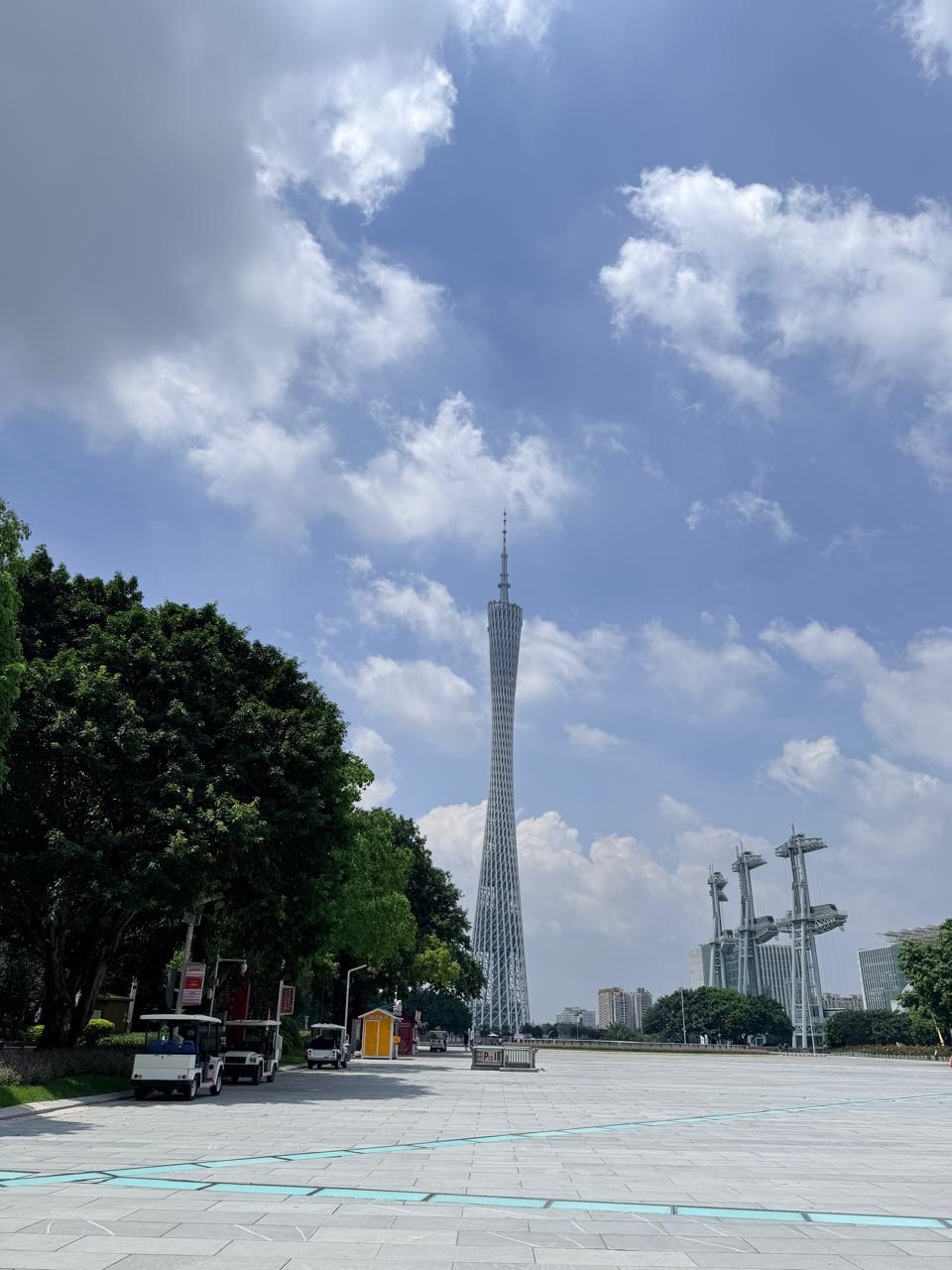
Canton Tower over the city
The China nobody had told me about
It all started with a gesture I wasn't expecting: representatives from the college were waiting for us at the airport to take us straight to the hotel. On the way there, looking out of the window, I realised that the picture we'd often been sold of China had nothing to do with what I was actually seeing. Green landscapes, nature everywhere, views that looked almost painted. It was the first of many times I felt I'd arrived with one idea and left with a completely different one.
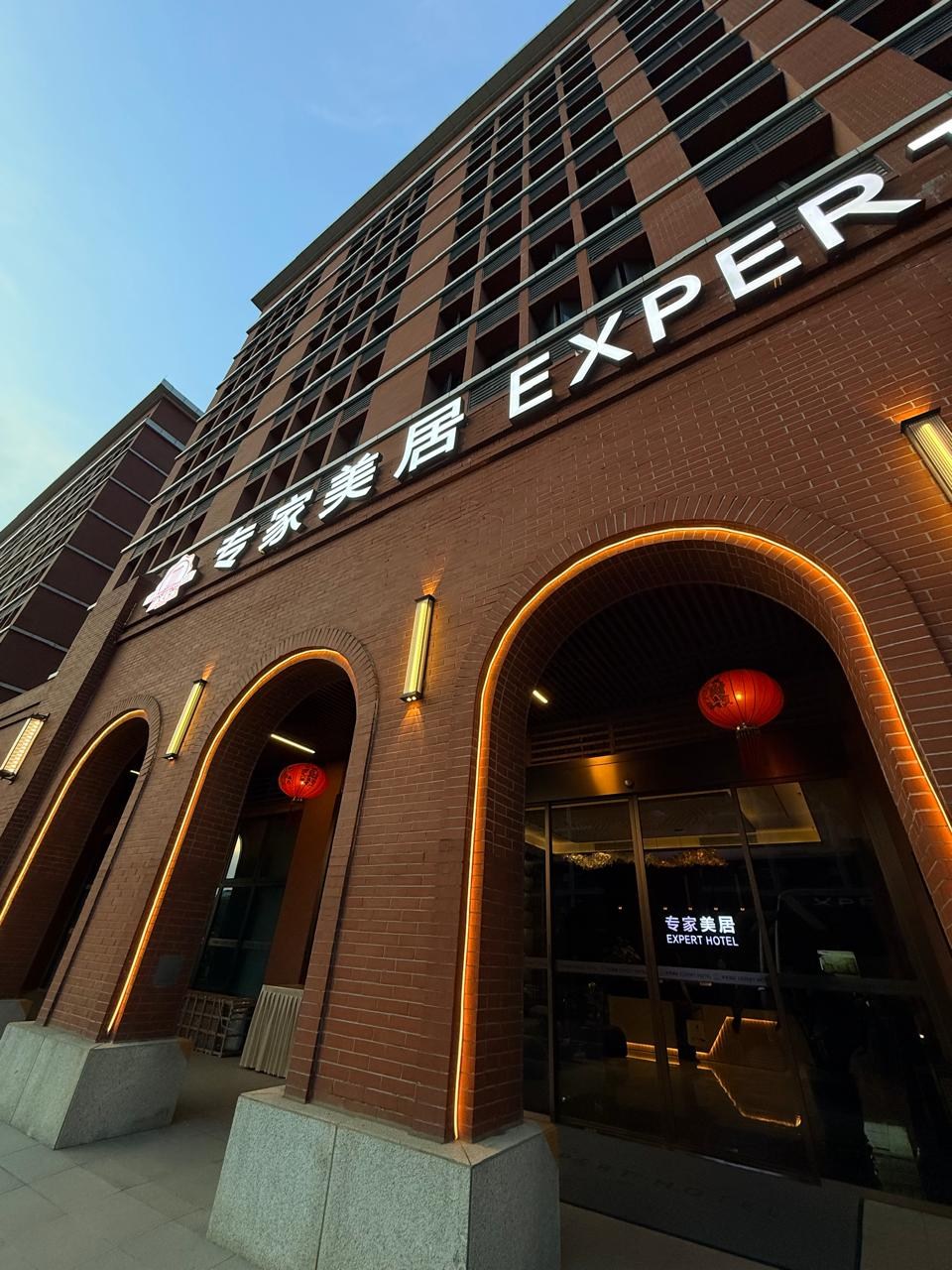
We got to the hotel where we were staying, the Expert Hotel, right opposite the college, just a short walk from everything. The rooms were huge, with every last detail taken care of. That night, I knew something special was about to begin.
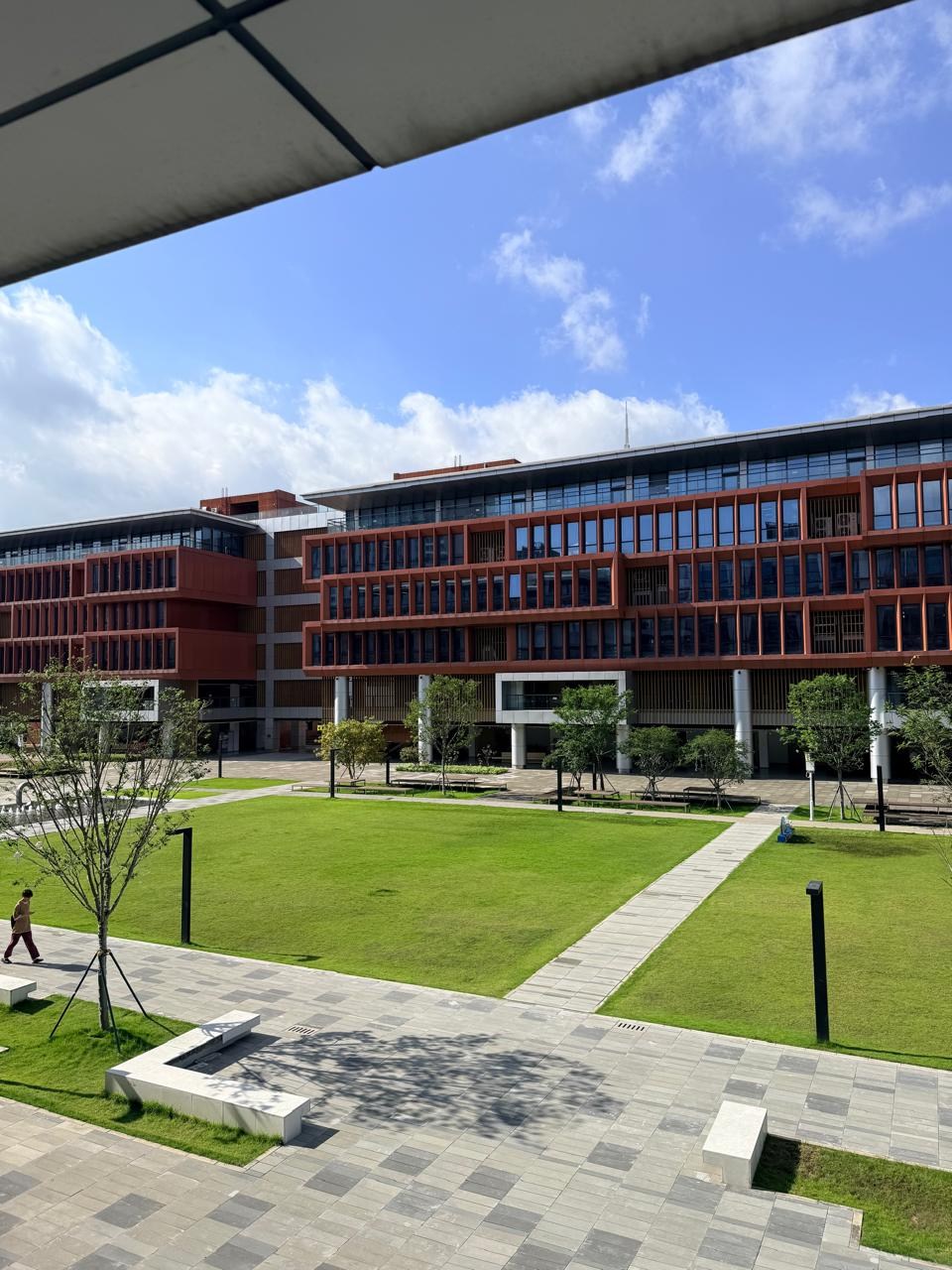
The GCC campusThe Expert Hotel, right opposite the college
A welcome I won't forget
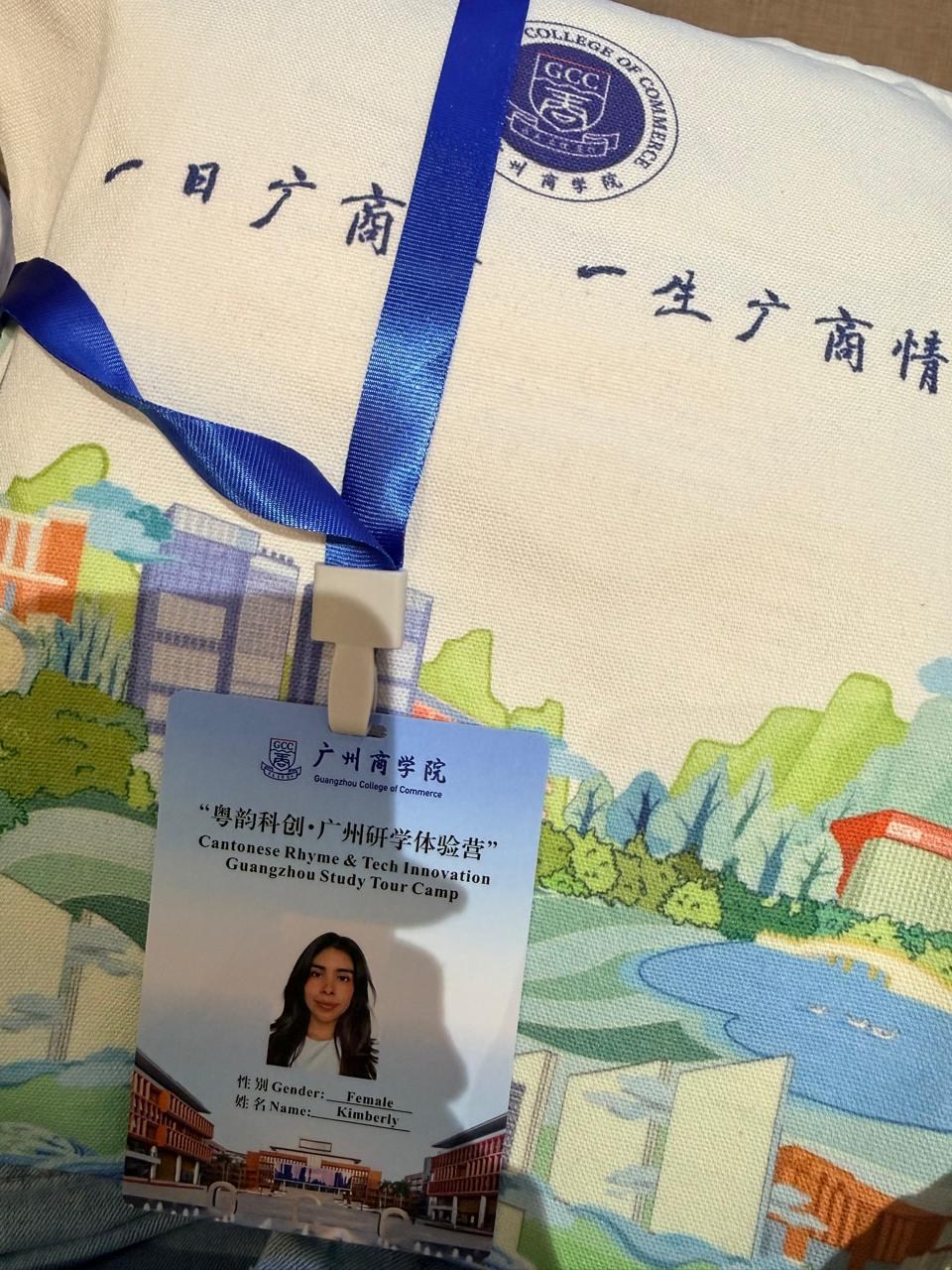
The programme officially kicked off on Monday, and that second day was one of those you keep close to your heart. Some very important figures from the college greeted us with a welcome ceremony and gave us a gift to mark the start of the experience. That reception made it clear this wasn't going to be just another academic programme, but one that would genuinely stay with me.
The welcome gift
Week one: classrooms, museums and stepping out of my comfort zone
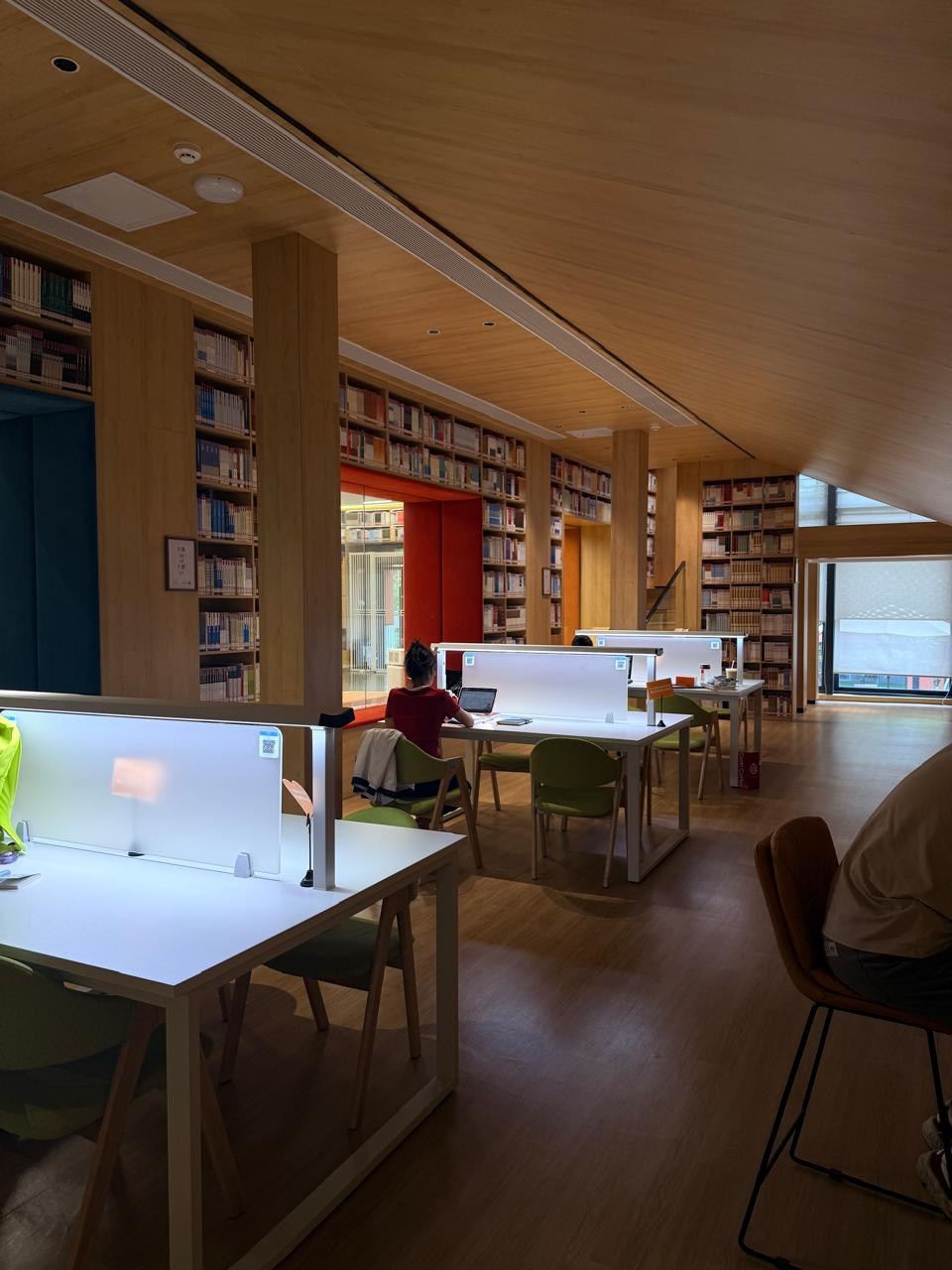
We spent the first few days getting to know the university. The campus surprised me with how big it was, full of green spaces that made you want to walk around between classes. One of my favourite spots was the library: modern, bright, understated, and so comfortable you could easily spend the whole afternoon studying there.
Just a short walk from campus we found something I honestly wasn't expecting: chains we already knew from home, like McDonald's, KFC and Pizza Hut, sitting right alongside a Seven Eleven that quickly became our daily go-to. It was a bit like a small local Tesco, where you could get a really good breakfast at very affordable prices. That mix of the familiar and the completely new became part of the charm of those days.
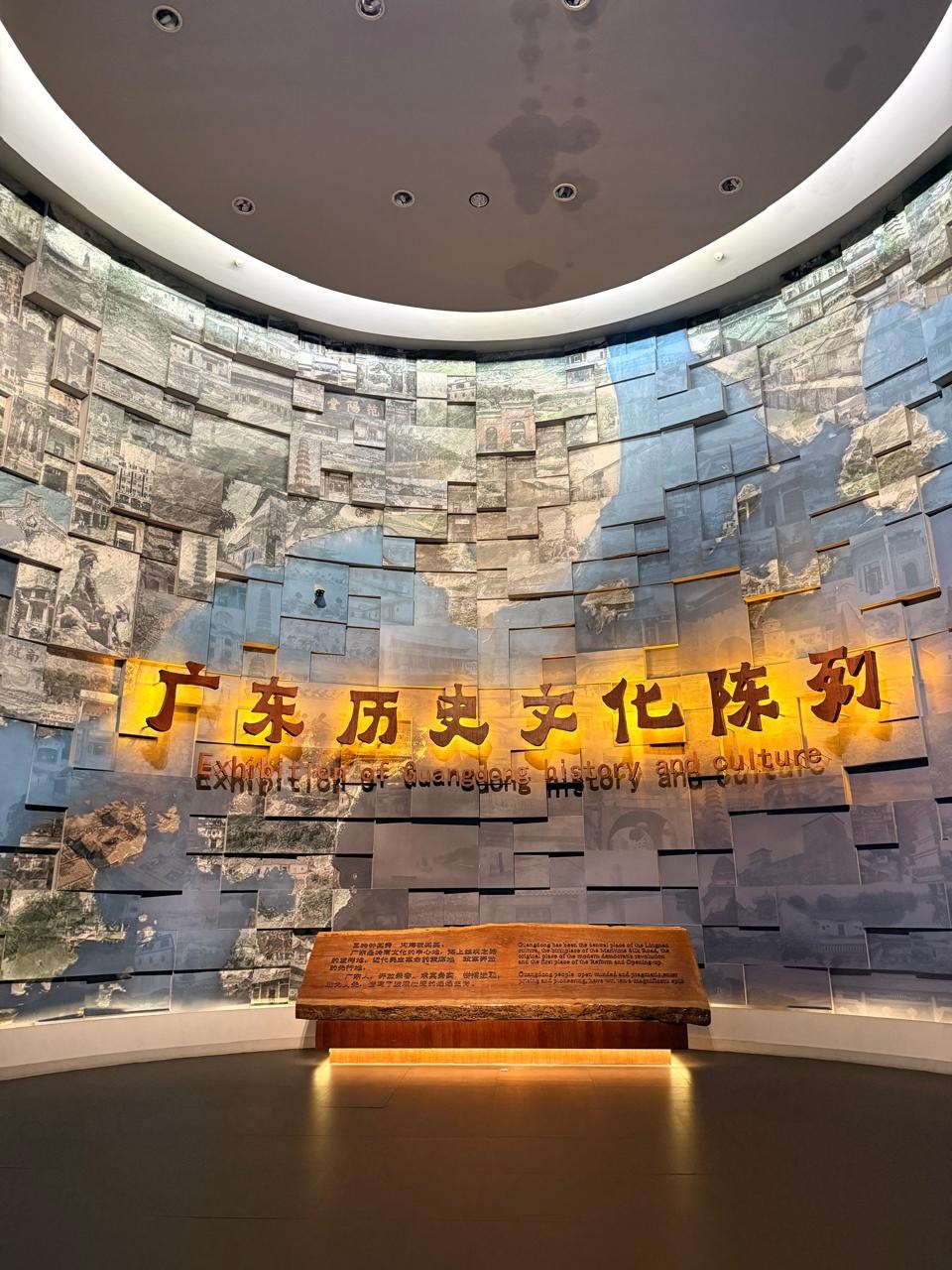
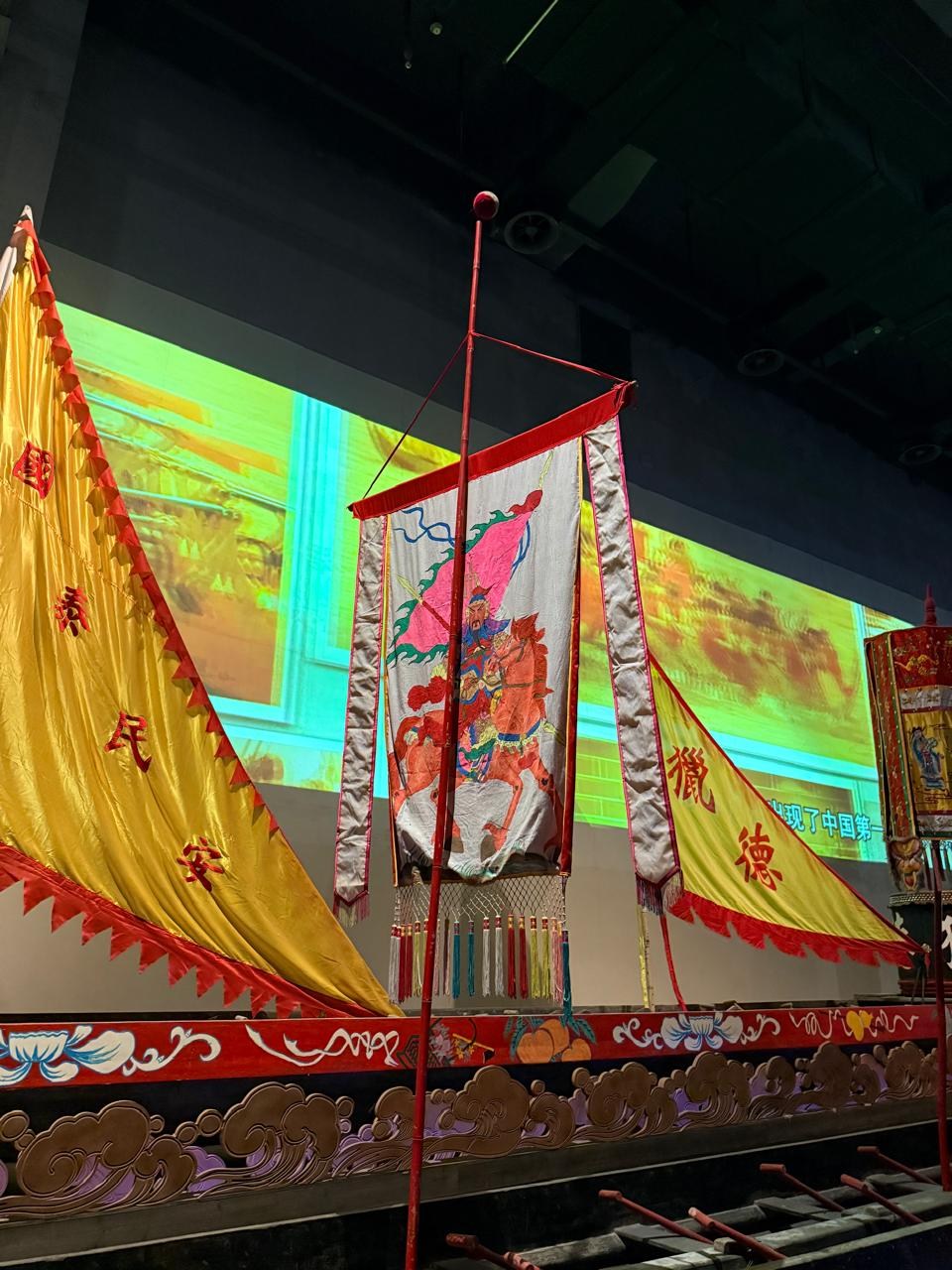
We also started getting to know the city through its museums, and the Guangzhou Museum was one of those visits that shifts your whole perspective. It's housed inside the historic Zhenhai Tower, a five-storey building dating back to the 14th century that, for generations, was considered one of the great symbols of old Canton. Walking past pieces of ceramics, bronzes, jade and ivory carvings, and the old cannons displayed outside the tower, felt like walking through centuries of history in a couple of hours.
That same spirit of discovery carried over into something far more physical: practising tai chi. A very dedicated teacher taught us the main techniques of this ancient discipline, and I'll admit it was a genuine challenge to step out of my comfort zone. Afterwards, to unwind, we played basketball, which, without meaning to, took me straight back to my school days. That balance between academic demands and moments of play ended up being one of my favourite memories of that week.
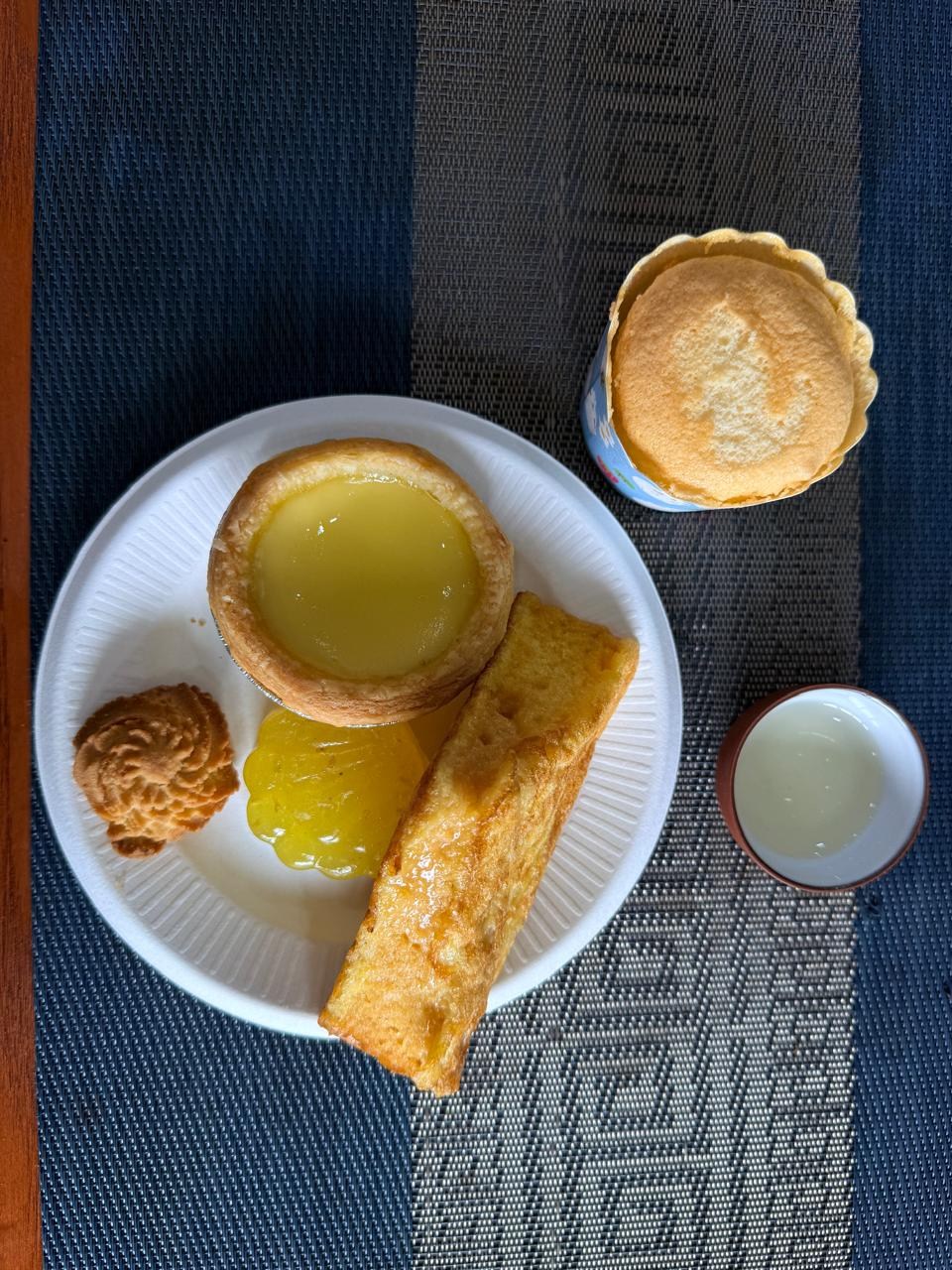
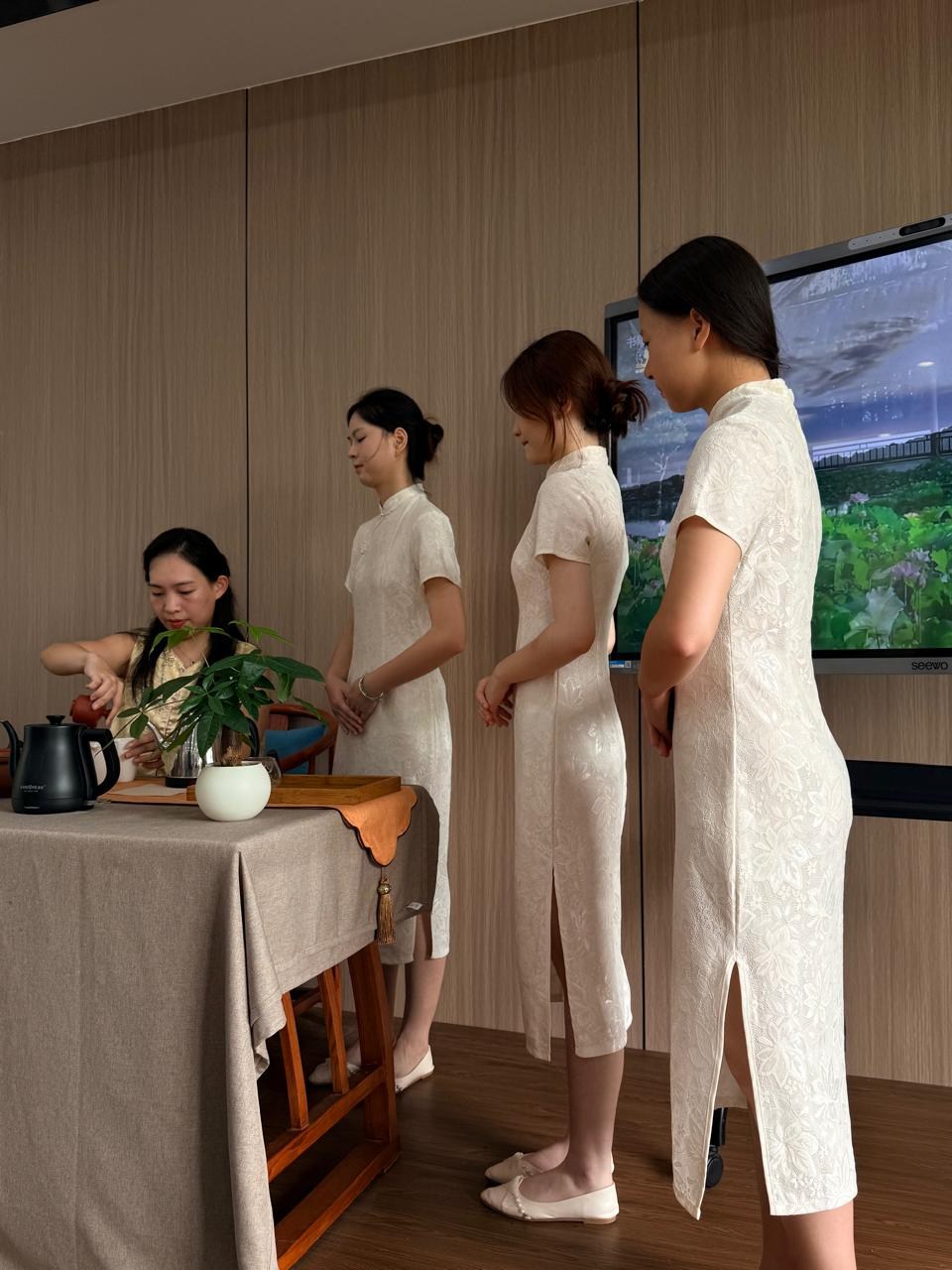
We also visited another important college, the Guangdong Finance and Trade Vocational College, where we were welcomed with a musical performance featuring dagu, the large traditional Chinese drums often used in ceremonies and celebrations. It was a truly special moment. There, we also learned about Chinese tea and traditional pastries, and I'm not exaggerating when I say everything was delicious.
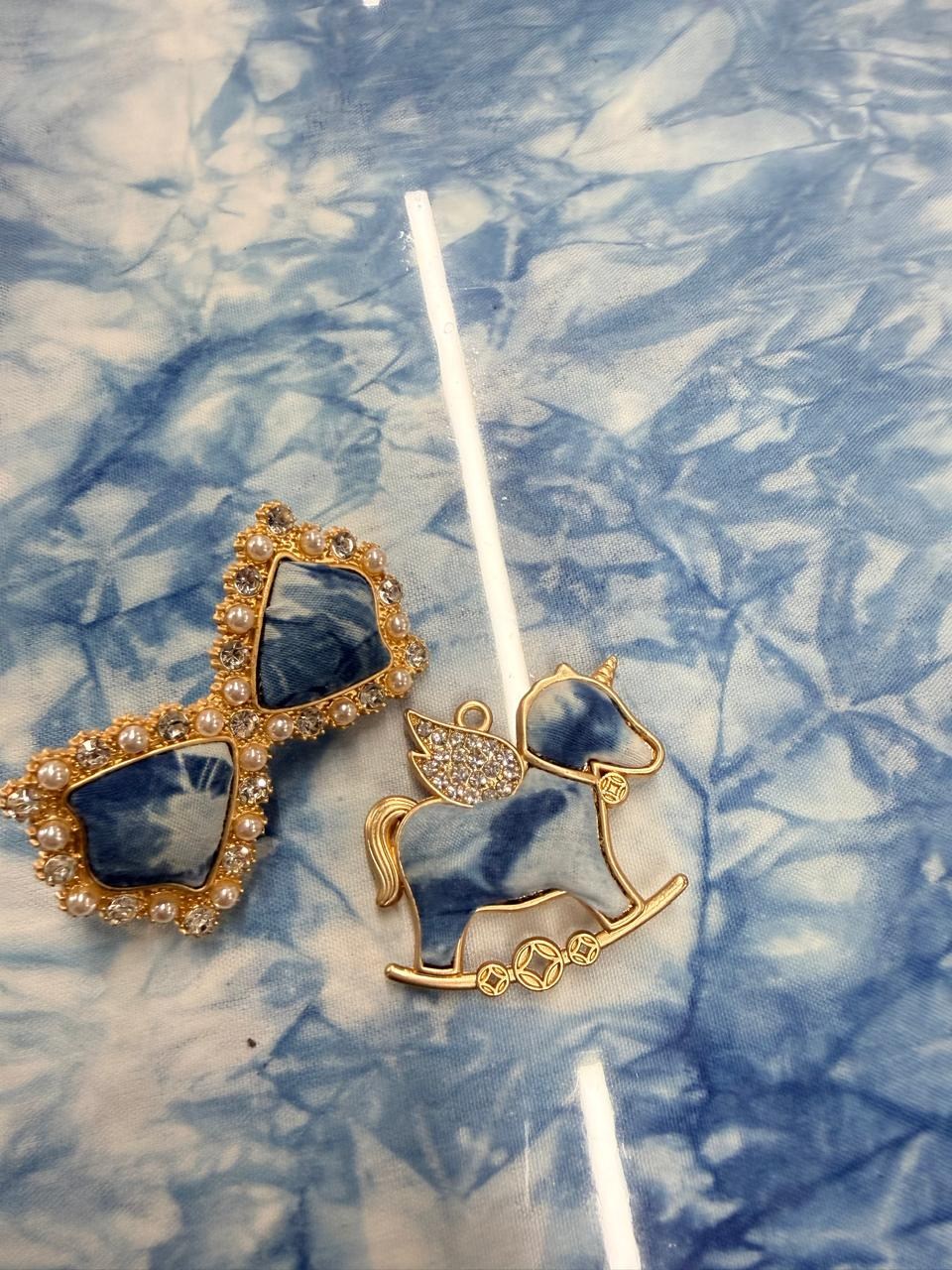
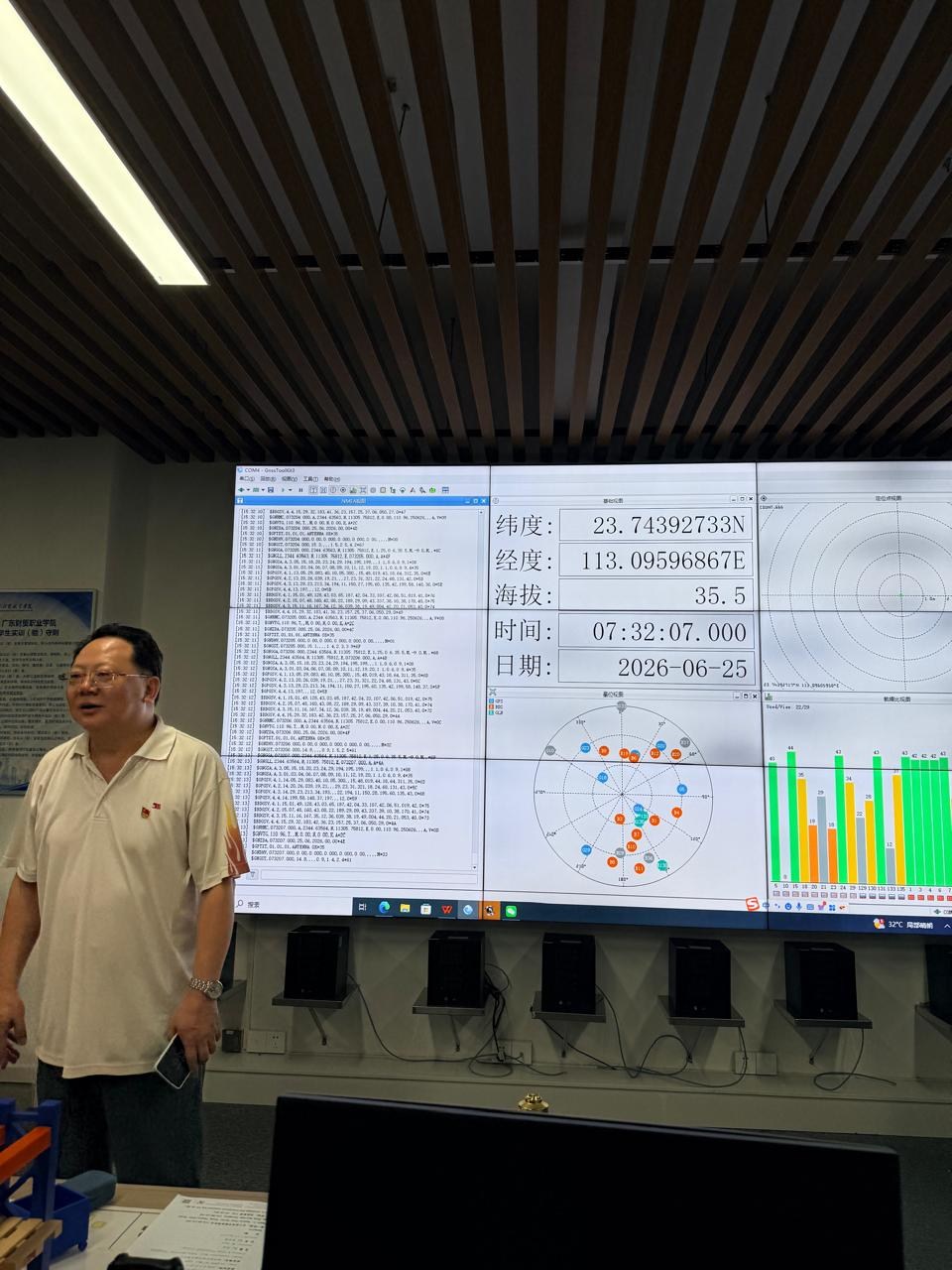
That same day, back with our own programme, we had an introduction to Chinese calligraphy and a workshop where we designed our own pin badge; I, along with several other students on the programme, chose to make a lucky cat. We closed the day with a class on the structure of electric vehicles and a talk on satellite navigation systems. A very long day, yes, but the kind that feels short because you're enjoying it so much.
The campus libraryInside the Guangzhou MuseumA dagu drum performanceChinese tea and traditional pastriesA Chinese tea ceremonyThe pin badge from the workshop, a lucky catThe talk on satellite navigation systems
Week two: camera live, brush in hand
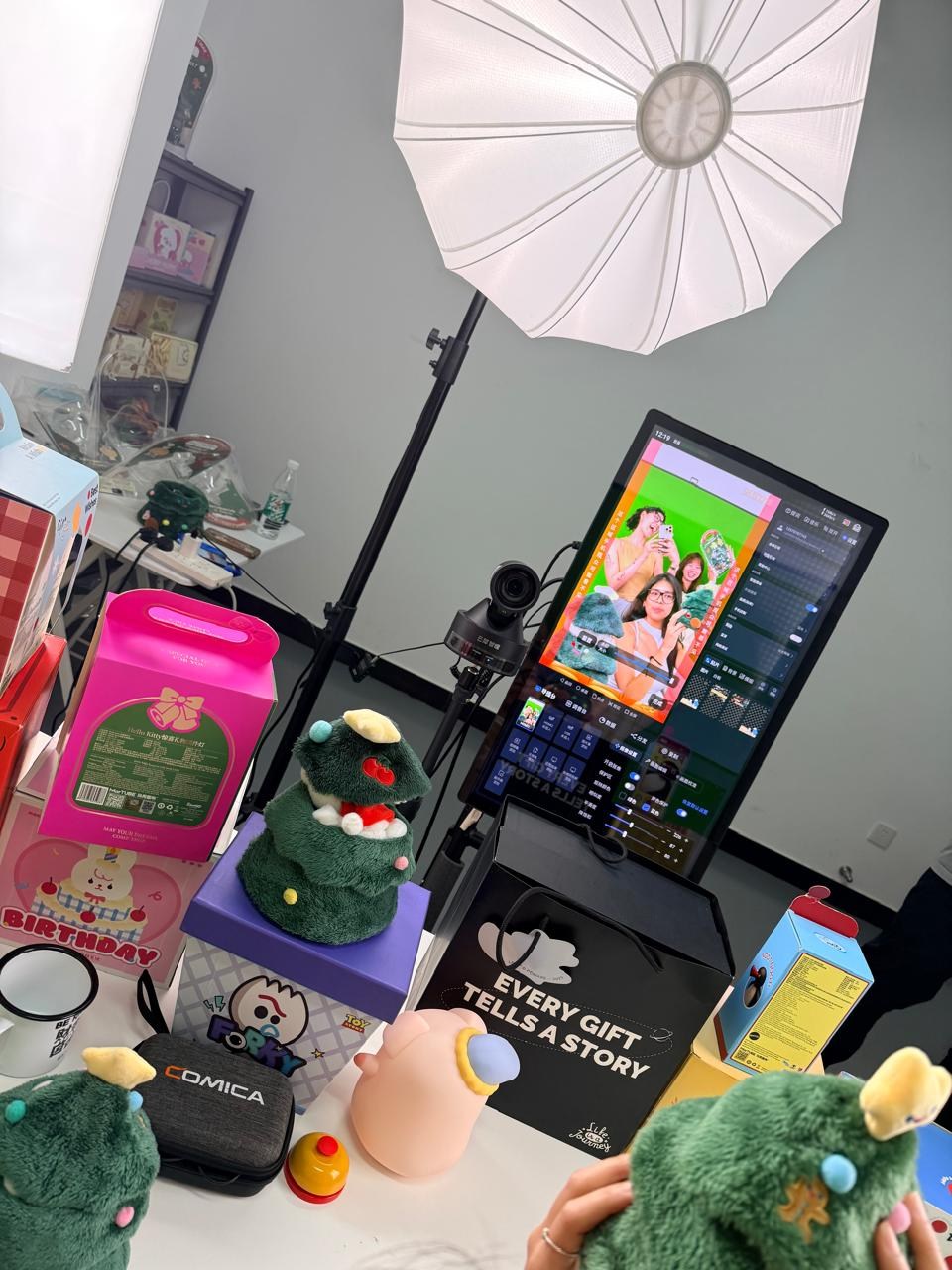
If week one surprised me, week two didn't fall behind. We had trade marketing classes and did our first livestream to sell a product: a genuinely hands-on introduction to how live commerce works in China. We also learned about how business is done both within and outside the country, and about the rules of foreign trade when sending products to different parts of the world.
We also visited CVTE's facilities, and understanding what this company actually does was one of those things that makes you look at technology differently. Founded in 2005 and headquartered in Guangzhou, CVTE is one of the world's leading developers of interactive display technology and LCD control boards, and although its name isn't widely known in the West, its products certainly are: under its Seewo and MAXHUB brands, its interactive displays are used in more than a million classrooms and offices worldwide. Walking through its facilities and seeing up close how technology we've probably already used without realising it gets designed was a very concrete way of understanding why Guangzhou has become such an important innovation hub.
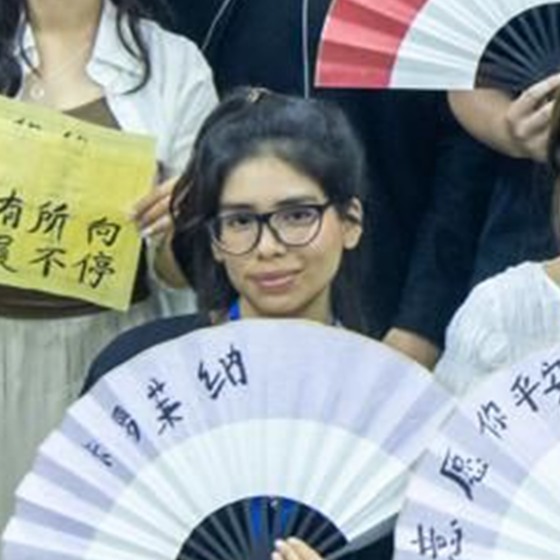
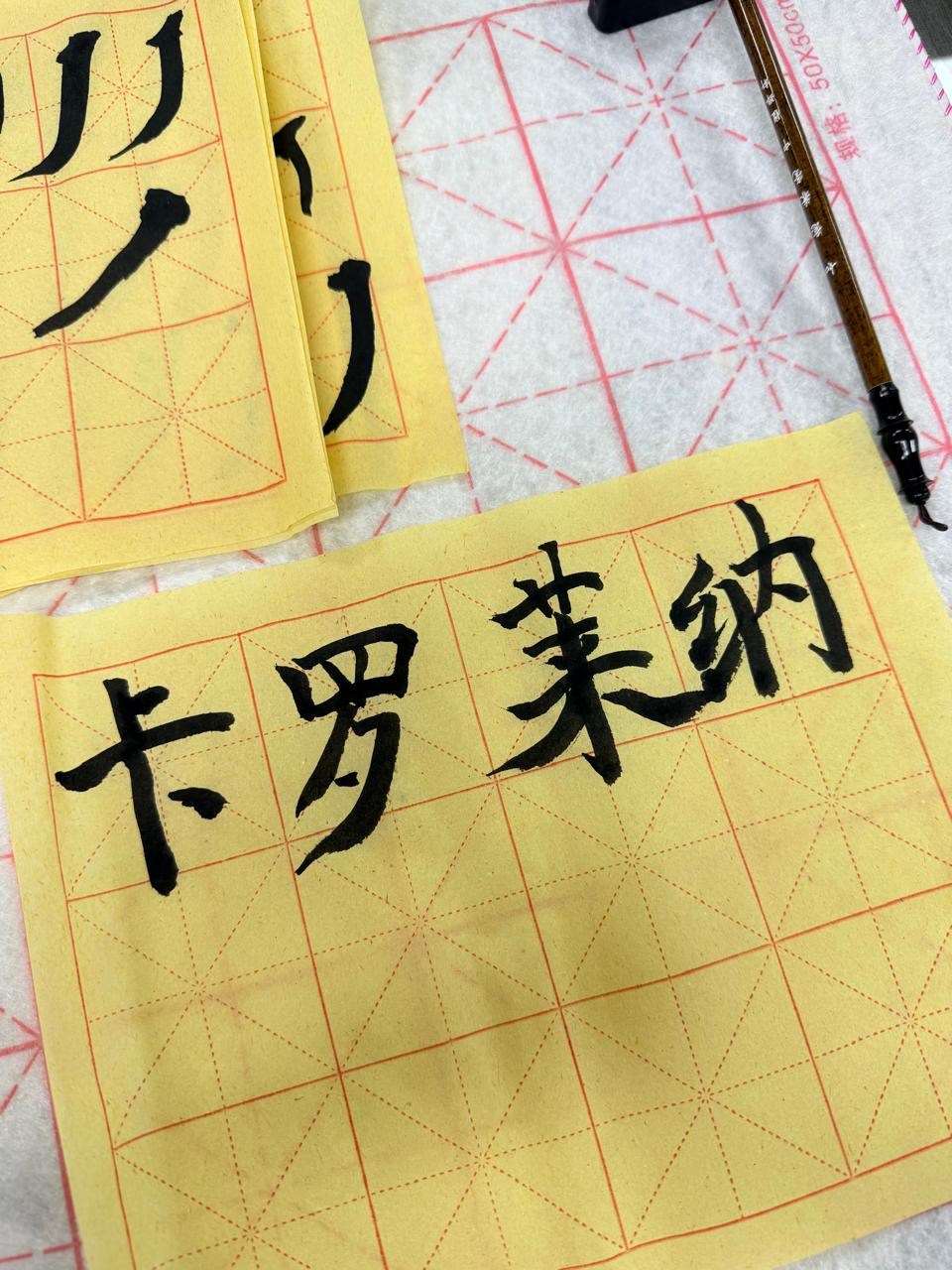
Another of the modules we had that week was Chinese calligraphy, this time in much more depth than the first round: we wrote our own names in Chinese characters, made a fan and decorated it using traditional Chinese ink. It was a calm, very hands-on activity, and seeing it finished was one of those small satisfactions that stay with you after the trip.
The live-commerce studioA name written in Chinese characters
Thank you, Guangzhou: closing a chapter
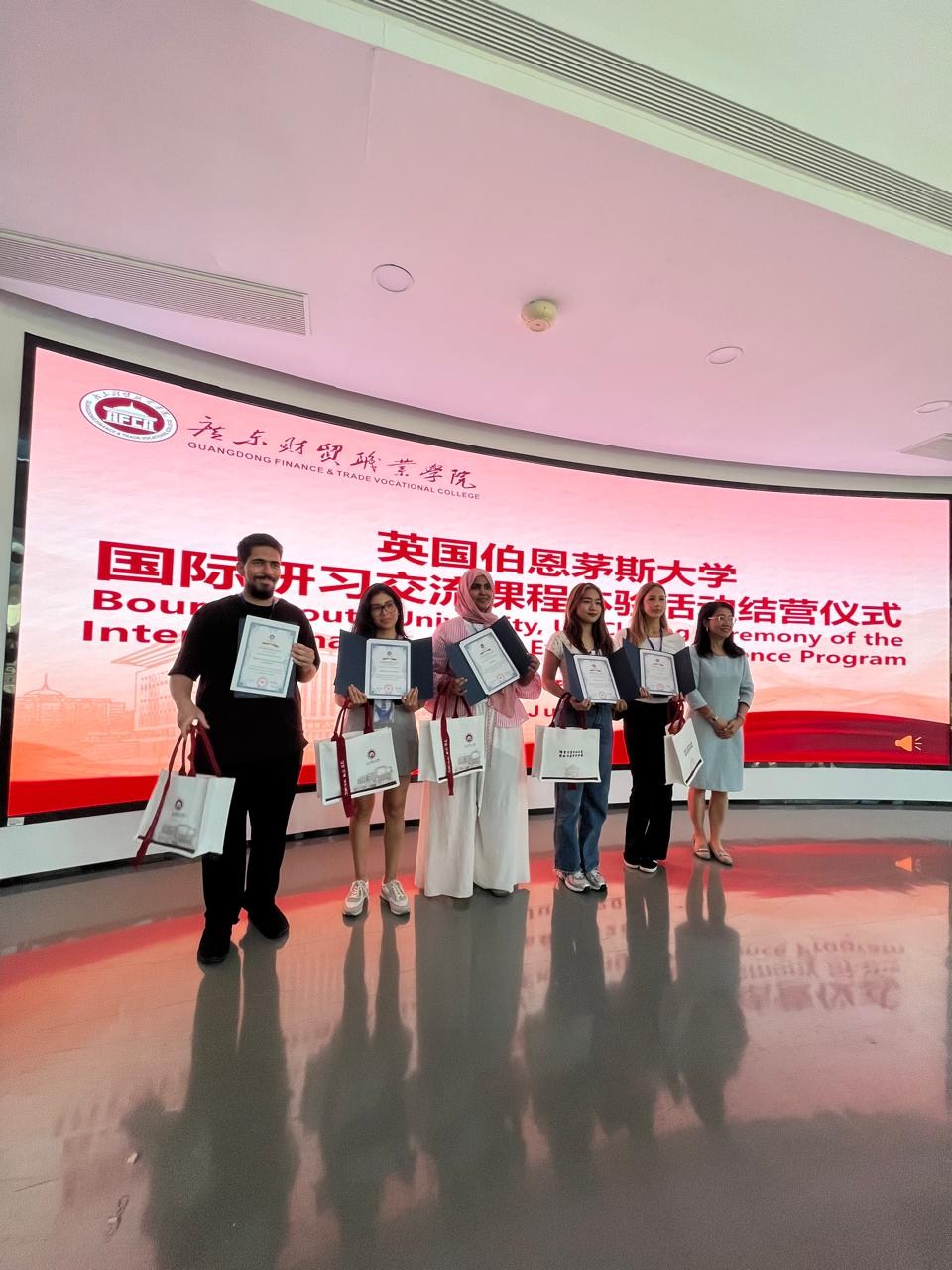
The last day of classes came round faster than I would have liked. We had a farewell ceremony where we were given a certificate for taking part in the Cantonese Rhyme and Tech Innovation Guangzhou programme. We closed with a dinner of traditional Chinese food, delicious from start to finish, the perfect way to round off two unforgettable weeks.
Receiving the certificate at the closing ceremony
The academic side: excellent lecturers and a module that stayed with me
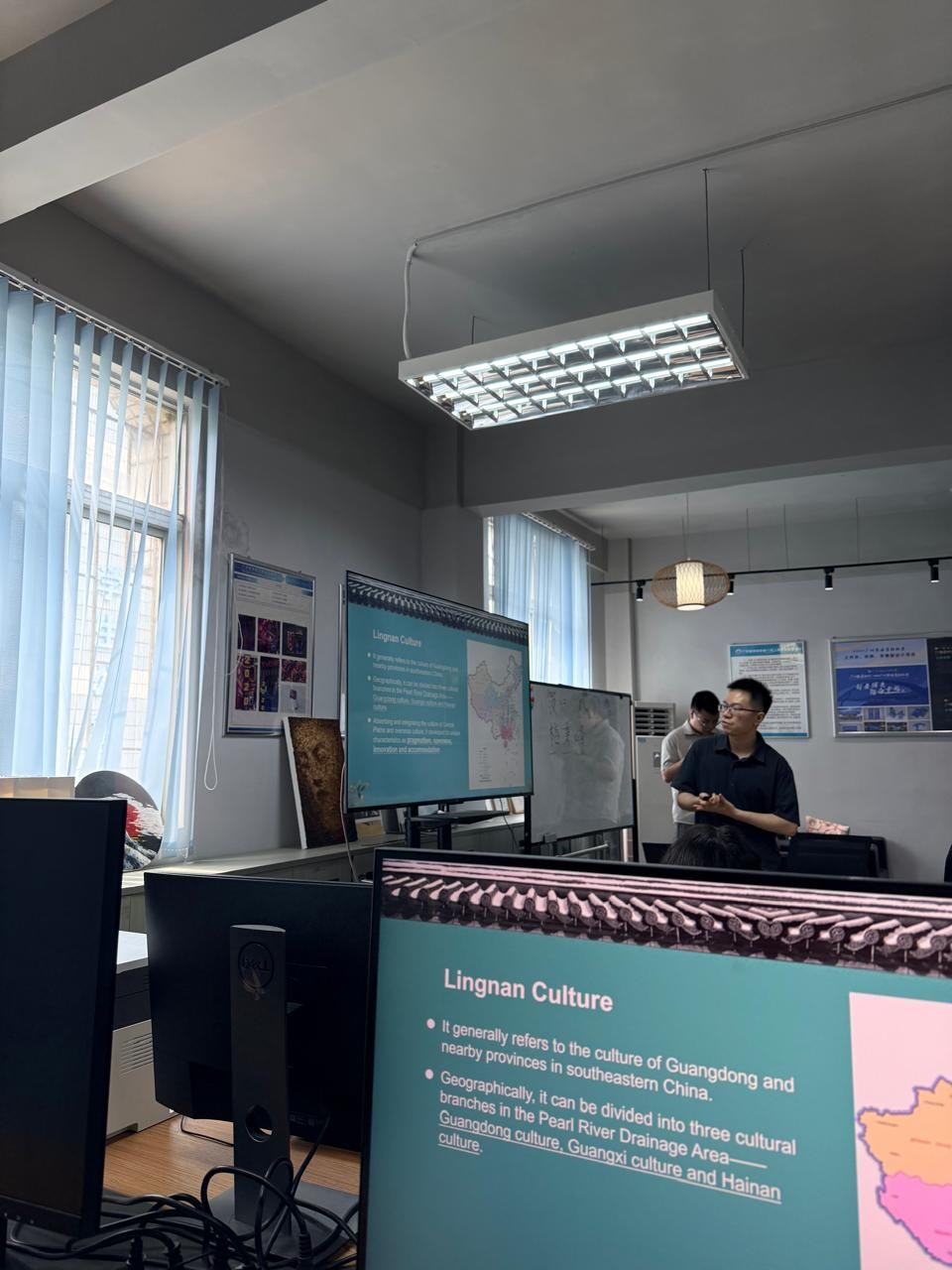
I want to pause for a moment on the academic side of things, because it was, without a doubt, one of the strongest parts of the programme. We had a team of highly professional lecturers with deep knowledge of their subjects, through whom we explored the history of Guangzhou, its local traditions, traditional textiles, cuisine, customs and various aspects of Chinese society today.
As an MSc Marketing Management student, the module I enjoyed most was Cross-Border E-commerce and Live Streaming Practice. Through this course we learned how live shopping is transforming global commerce: how to present products, how to interact with the audience during live broadcasts, how to create engaging content, and why content marketing and online sales strategies matter more and more.
A lecture on Lingnan culture
Four visits that opened my eyes
Beyond the classroom, we had the chance to visit institutions that showed me a side of China you rarely see from the outside:
🏢 CVTE, a technology company recognised for its innovation in smart displays and communication technologies.
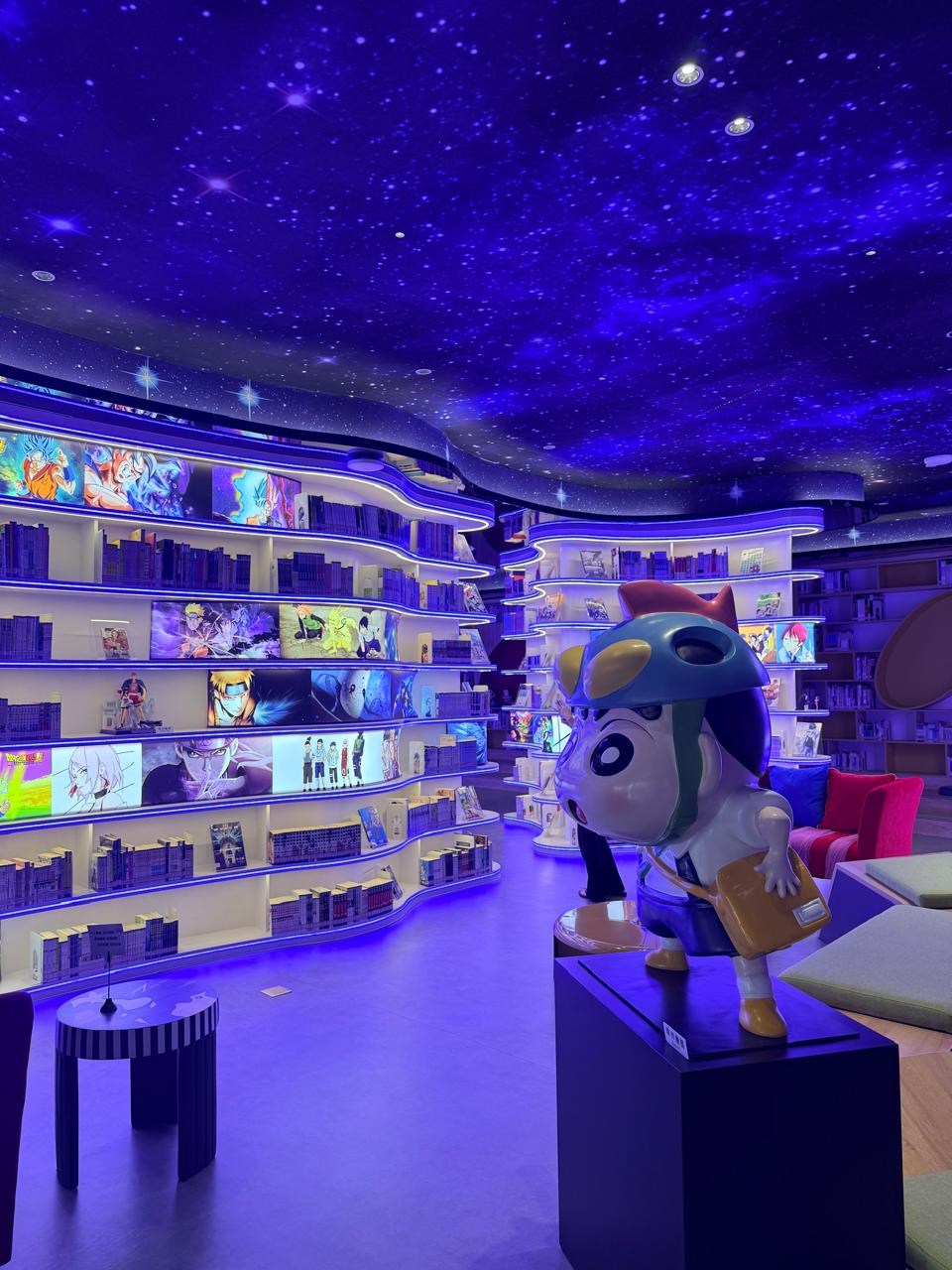
🔬 Guangdong Science Center, one of the largest science centres in China, with impressive developments in science and technology.
🏛️ Guangdong Museum, where we explored the history, culture and heritage of the Guangdong region.
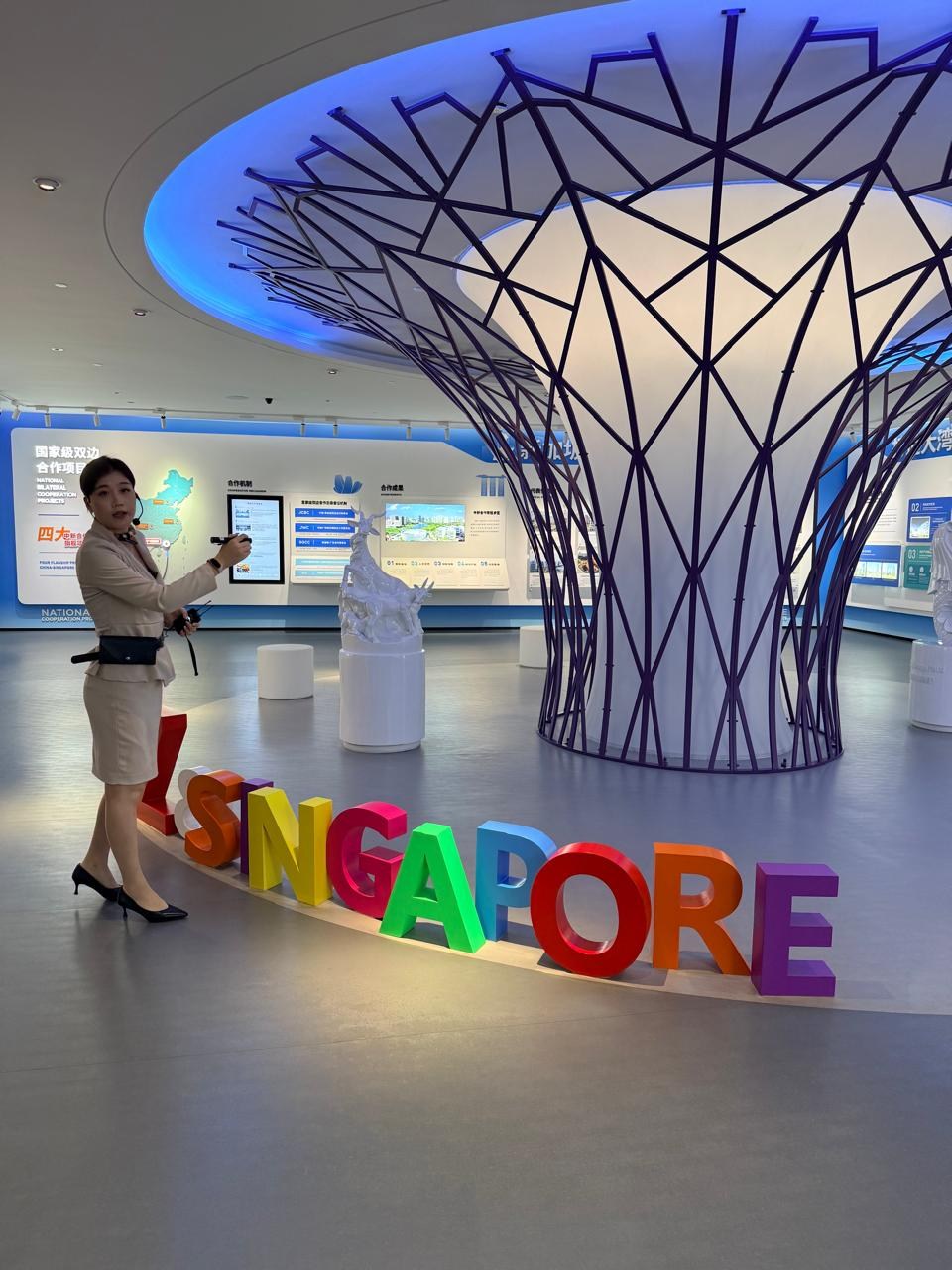
🚀 Sino-Singapore Guangzhou Knowledge City, an innovation hub designed to drive technological progress, research and international collaboration.
Experiencing these places first-hand made me understand, in a way no article or news report ever quite managed to, just how advanced, innovative and forward-thinking China has become. The level of technological development, digital transformation and investment in innovation is genuinely impressive, and after this experience I understand far better why the country continues to position itself as one of the world's leading economic and technological powers.
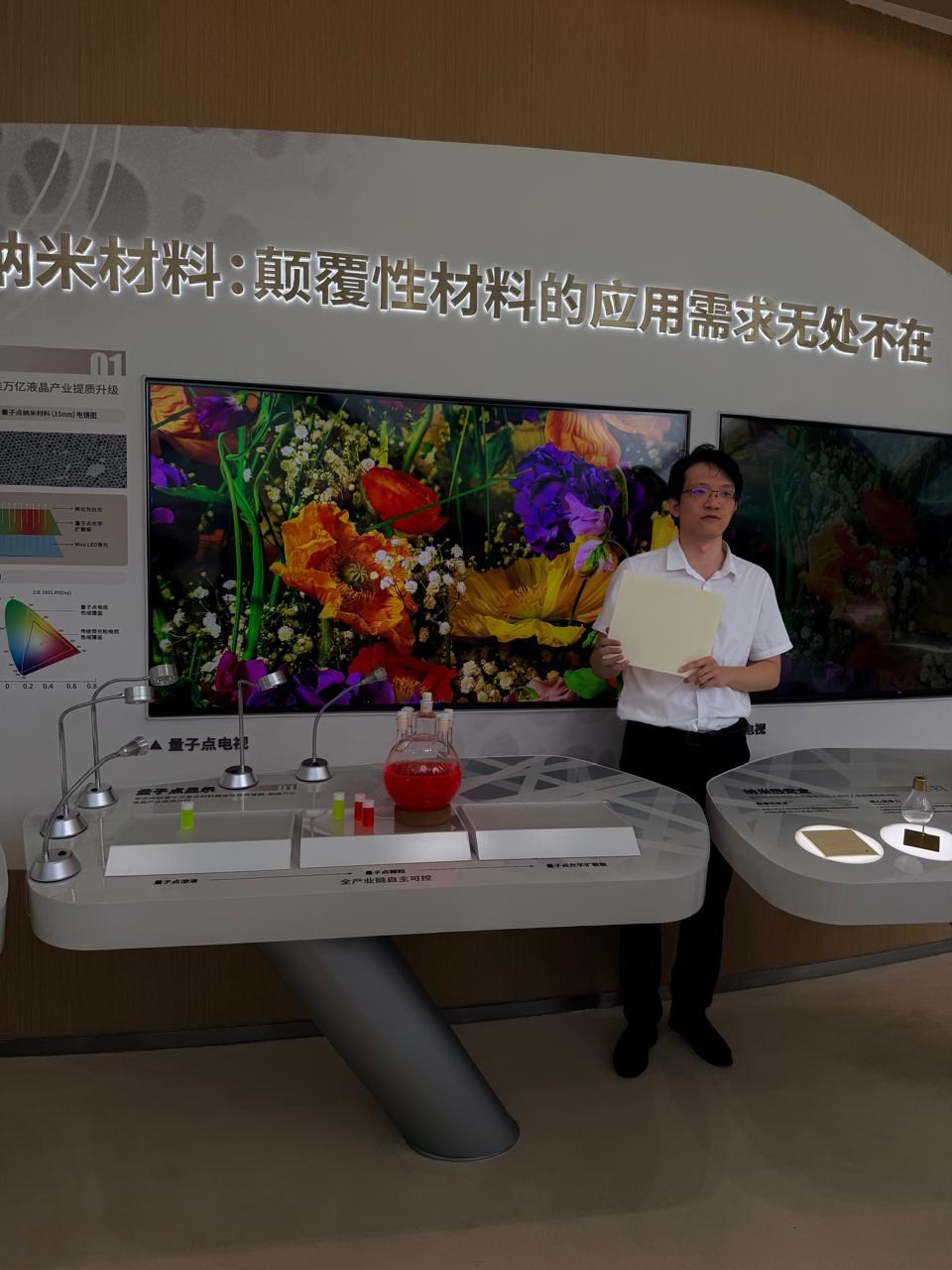
The Sino-Singapore Guangzhou Knowledge CityInside the Guangdong Science CenterA nanomaterials exhibit at one of the institutes we visited
What I'm taking away
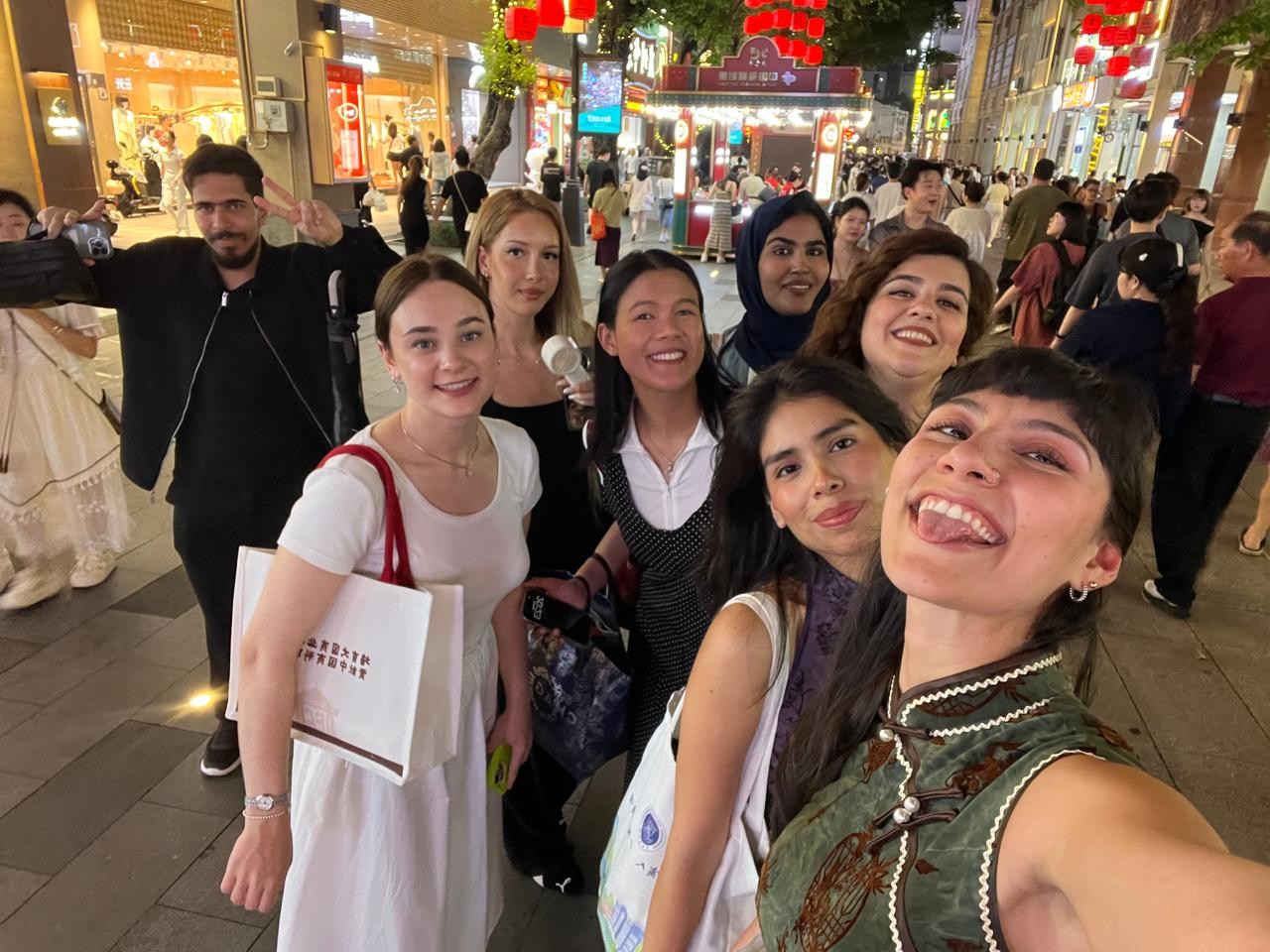
This programme challenged me and helped me grow academically, professionally and personally. It strengthened my intercultural communication skills and broadened my global outlook, almost without my noticing. As a marketing student, it also changed the way I think about business: seeing up close how people sell, communicate and trade in a different market made me realise that it's no longer enough to plan a strategy for just one country or one audience. Today, any brand or business that genuinely wants to grow needs to understand how people on the other side of the world think, buy and consume content, and this experience gave me exactly that perspective. But beyond the academic side, I'm taking away friendships, stories that are already among my favourites to tell, and a different way of looking at the world.
If you're a Bournemouth University student thinking about an international opportunity, my advice is simple: be open to the experience. Step outside your comfort zone, because that's exactly where real learning happens.
Huge thanks to Bournemouth University and Guangzhou College of Commerce for an opportunity that was, in every sense, culturally, academically and personally incredible. 🇨🇳✨